The Role of Logical Puzzles in Solving Everyday Problems: Critical Thinking in Practice

Understanding Logical Puzzles
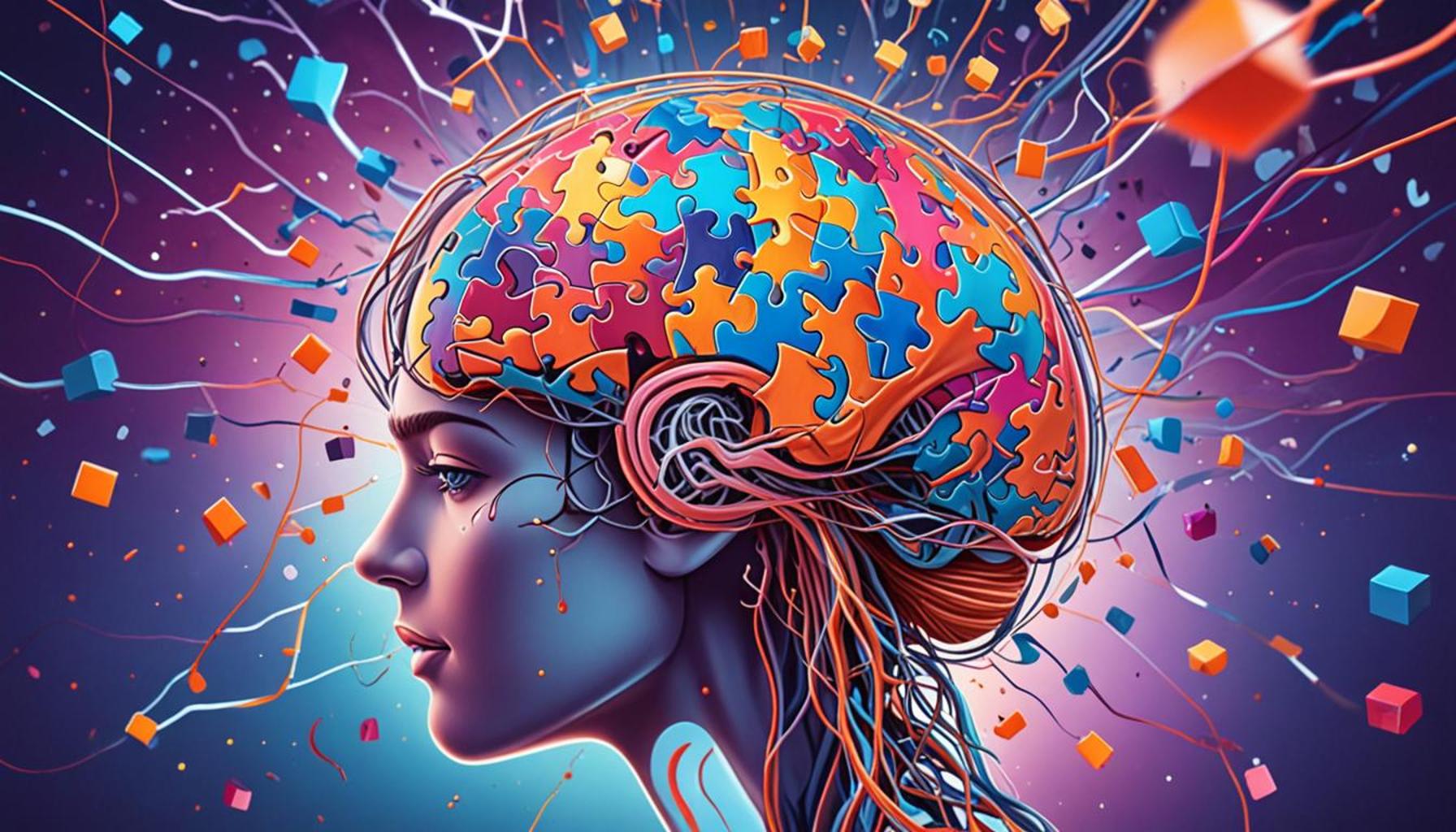
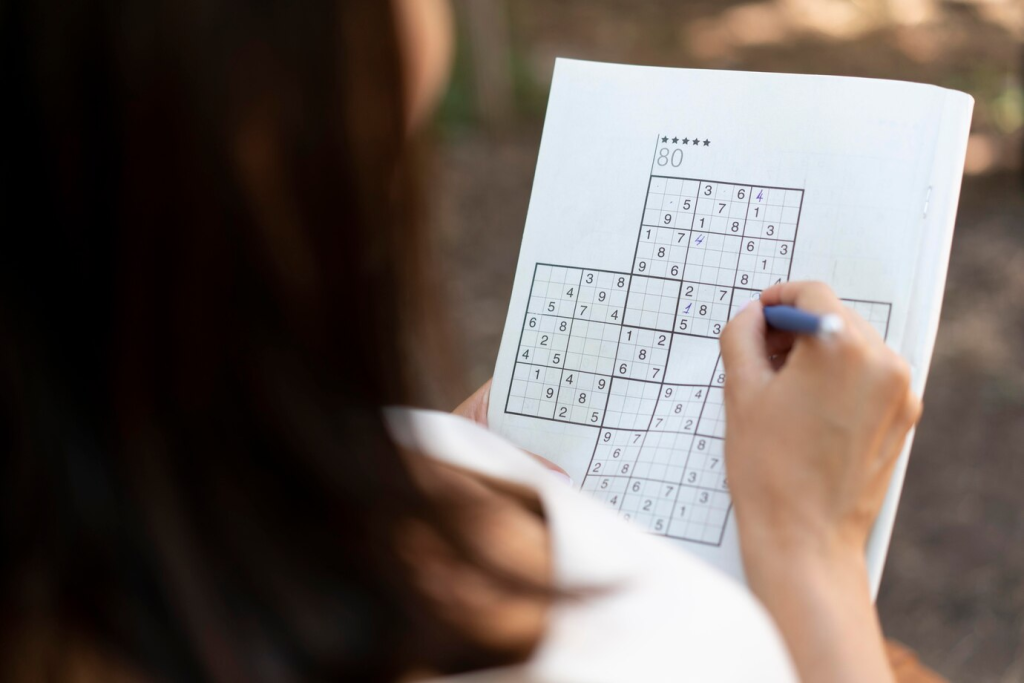
Engaging with logical puzzles can significantly enhance our cognitive abilities, offering more than just a few moments of fun. These puzzles compel us to think critically, nudging our minds to organize thoughts in a structured way, evaluate evidence, and arrive at valid conclusions. From classic riddles and brain teasers to contemporary game formats like escape rooms and Sudoku, the diversity in puzzles not only serves different preferences but also challenges various dimensions of our reasoning skills.
The Role of Logical Puzzles in Everyday Life
One of the most vivid examples of how these puzzles translate to real-life situations can be seen in professional settings. Imagine a team tasked with launching a new marketing campaign. By employing techniques inspired by logical puzzles, team members can break down the problem of audience engagement into smaller, manageable tasks. They might use methods like affinity mapping, which is akin to solving a puzzle, where they categorize ideas to identify the most effective ones. This structured approach minimizes oversight and enhances creativity, yielding innovative solutions that are well-researched and targeted.
In our personal lives, we often encounter dilemmas that mirror the challenges posed by logical puzzles. Take, for instance, meal planning for a week. This seemingly straightforward task can quickly escalate into a complex puzzle involving dietary preferences, budget constraints, and time limitations. By employing logical reasoning, individuals can create a meal matrix, evaluating each meal option not just for nutritional value but also for preparation time and cost. Such analytical thinking streamlines decision-making, transforming a potentially overwhelming task into a manageable one.
Benefits of Logical Puzzles
There are numerous ways logical puzzles facilitate personal and professional growth:
- Problem Solving: They encourage continuous practice in identifying solutions through structured reasoning, which can improve one’s ability to handle unexpected challenges effectively.
- Decision Making: Engaging with puzzles trains individuals to weigh options critically, enabling them to make more informed decisions based on predictive outcomes derived from logical thinking.
- Analytical Thinking: Puzzles instruct individuals in breaking down complex problems, making even the most daunting issues feel more digestible and approachable.
Conclusion
Ultimately, the practice of solving logical puzzles equips us with vital skills that prove invaluable in daily life, from simple domestic decisions to complex professional challenges. As we continue to cultivate our critical thinking skills through these engaging activities, we prepare ourselves to navigate the intricacies of modern life with greater ease and confidence. Therefore, the next time you encounter a logical puzzle, remember that it is not merely an exercise for leisure, but a training ground for enhancing your problem-solving prowess. The potential applications are vast, and the only limit lies in your willingness to engage these challenges.
DIVE DEEPER: Click here to discover more
Practical Applications of Logical Puzzles
Logical puzzles are not confined to recreational activities; rather, they serve as powerful tools in everyday problem-solving scenarios. By approaching various challenges through the lens of puzzles, individuals can uncover innovative solutions and enhance their critical thinking abilities. For example, consider the common workplace scenario of project management. A project manager might face the complex task of coordinating multiple teams, each with its own objectives, timelines, and resources. Drawing on the principles of logical puzzles, they can map out the project’s components, identify dependencies, and visualize potential obstacles, akin to piecing together a jigsaw puzzle.
This methodology not only clarifies the project’s landscape but also promotes collaboration among team members. Just as a puzzle requires cooperation to achieve a common goal, successful project management necessitates open communication and shared understanding of objectives. By creating a structured framework, team members are encouraged to contribute their insights, enhancing problem-solving and fostering a sense of ownership.
Logical Puzzles in Daily Decision-Making
In addition to professional contexts, the influence of logical puzzles can be observed in our daily decision-making processes. Take budgeting as an example. Managing personal finances can resemble solving a complex logic puzzle, where one must balance income against expenses while contemplating savings and investments. By employing aspects of logical reasoning, individuals can analyze their spending habits and ascertain where adjustments are necessary. This analytical approach allows for smarter financial choices, ultimately leading to greater savings and financial security.
- Identifying Priorities: Just as a puzzle presents pieces that vary in importance and relevance, daily life often pits various tasks and responsibilities against one another. A methodical assessment of priorities, akin to sorting puzzle pieces by color or edge, can help in focusing efforts where they are most needed.
- Breaking Down Issues: When faced with a difficult decision, such as whether to relocate for a job opportunity, it can be helpful to dissect the situation into manageable components. This process resembles solving a tiered puzzle, where evaluating each aspect can illuminate the overall picture and guide the decision-making process.
- Strategizing Outcomes: Engaging with logical puzzles equips individuals with the foresight to predict possible outcomes of decisions made today. Whether it’s considering the impact of significant life choices or simple daily tasks, employing strategic thinking derived from puzzle-solving can lead to more favorable outcomes.
The integration of logical puzzles into daily decision-making processes exemplifies how structured thinking can lead to improved choices and more efficient problem-solving. As we continue to embrace these seemingly playful activities, we empower ourselves to tackle real-world challenges with greater confidence and efficacy. After all, the underlying principles of logical reasoning remain applicable beyond the confines of puzzles, transforming challenges into opportunities for growth and learning.
The Impact of Logical Puzzles on Critical Thinking Skills
Logical puzzles are not merely entertaining distractions; they serve as powerful tools for enhancing critical thinking skills. Engaging with these puzzles stimulates cognitive processes such as analysis, synthesis, and evaluation, all essential components of critical thinking. When individuals solve complex problems through puzzles, they learn to approach issues systematically, breaking down components to identify underlying patterns or rules.Moreover, puzzles encourage a growth mindset. As individuals grapple with challenging scenarios, they develop resilience, perseverance, and the ability to reframe problems from various perspectives. This adaptability spills over into daily situations, providing people with the tools to tackle issues that arise in their professional and personal lives more effectively.
Real-World Application of Logical Thinking
The skills honed through logical puzzles can be applied to various real-world contexts, from business decision-making to personal relationships. For instance, in a corporate environment, employees who engage in regular puzzle-solving may find themselves better equipped to devise innovative solutions during strategic meetings. By employing logic, they can analyze data more effectively, anticipate potential pitfalls, and formulate comprehensive action plans.Additionally, critical thinking nurtured through logical puzzles enhances problem-solving in interactions with others. Communication often requires deciphering unspoken cues and assessing motivations. By developing a nuanced approach via puzzle-solving, individuals can navigate interpersonal dynamics with greater agility, leading to improved relationships and conflict resolution.Incorporating logical puzzles into daily routines can help individuals build these valuable skills. Lots of apps and online platforms offer a plethora of puzzles designed to challenge the mind and enhance thinking abilities. By setting aside time for these activities, individuals can foster a habit that not only improves their puzzle-solving strategies but also strengthens their overall cognitive capabilities, making them more adept at facing everyday challenges.
| Category | Key Features |
|---|---|
| Cognitive Development | Enhances problem-solving, reasoning, and analytical skills. |
| Practical Application | Translates to improved decision-making and relationship management. |
This practical application of critical thinking skills, fostered through logical puzzles, makes them invaluable in navigating both complex and mundane problems encountered in day-to-day life.
DIVE DEEPER: Click here to discover effective strategies
Enhancing Problem-Solving Skills Through Logical Puzzles
As we continue to explore the relationship between logical puzzles and effective problem-solving, it becomes clear that the cognitive benefits extend beyond mere enjoyment or pastime. Engaging in logical puzzles not only provides entertainment but also cultivates essential skills that can be applied to real-world challenges. One particularly significant skill developed through puzzle-solving is creative thinking, which involves approaching problems from unique and innovative angles.
For instance, consider the development of new products or services. Companies like Apple and Google are renowned for their ability to think outside the box, and part of their success stems from encouraging employees to engage in activities that promote divergent thinking. Employees who regularly solve puzzles are often adept at brainstorming alternative solutions that might not be immediately obvious. They learn to connect seemingly unrelated ideas, developing valuable insights that can drive innovation and competitive advantage in the marketplace.
The Role of Logical Puzzles in Educational Settings
The influence of logical puzzles is also evident in educational contexts, where they serve as powerful pedagogical tools. Educators are increasingly incorporating puzzle-solving into curricula to enhance students’ critical thinking skills. By presenting students with logical conundrums or mathematical challenges, teachers encourage deeper exploration of concepts and promote a hands-on approach to learning.
- Developing Resilience: Working through difficult puzzles teaches students the importance of perseverance when faced with challenges. Just as solving a particularly tough puzzle requires multiple attempts and approaches, so does tackling complex problems in life.
- Boosting Confidence: Successfully completing a challenging puzzle fosters a sense of accomplishment that can transfer to other areas, including academic performance and social interactions. Students may find that the skills gained through puzzle-solving empower them to share their thoughts more confidently in group settings.
- Encouraging Peer Collaboration: Logical puzzles can serve as collaborative exercises, promoting teamwork among students. They learn to communicate effectively, listen to differing perspectives, and collectively devise solutions, mirroring essential skills needed in both professional and personal environments.
Research supports the notion that engaging with logical puzzles enhances cognitive functions such as memory retention and problem-solving speed. A study conducted by the University of Illinois found that participants who regularly engaged with puzzles demonstrated improved reasoning skills compared to their non-puzzling counterparts. These findings underline the broader implications of incorporating logical puzzles into daily life, appearing as an accessible and enjoyable method for sharpening critical thinking.
Puzzles Across Diverse Contexts
The application of logical puzzles transcends traditional boundaries, reaching diverse fields such as medicine, law, and engineering. In medicine, doctors face complex cases that often resemble intricate puzzles; a diagnostic challenge requires piecing together symptoms for accurate evaluation. Similarly, in law, attorneys often analyze cases by assessing variables to construct compelling arguments—paralleling the approach one takes when solving a complex brain teaser.
In engineering, problems arise frequently during the design and execution of projects. Thus, employing logical reasoning and problem-solving techniques derived from puzzle-solving activities allows engineers to troubleshoot effectively, ensuring functionality and safety in technological developments. Overall, the pervasive nature of logical puzzles showcases their versatility and applicability, emphasizing their role in enhancing critical thinking across various domains.
DIVE DEEPER: Click here to learn more
Conclusion: The Transformative Power of Logical Puzzles
In conclusion, the significance of logical puzzles extends far beyond simple amusement; they serve as a robust framework for honing critical thinking skills that are essential for navigating real-world complexities. Through engaging with puzzles, individuals cultivate not only creative and analytical thinking but also develop resilience, confidence, and collaborative abilities—traits that are invaluable in both personal and professional settings.
The integration of logical puzzles in educational environments amplifies their impact, as educators leverage these tools to foster deeper understanding and problem-solving capabilities among students. This pedagogical approach not only prepares students for academic challenges but also equips them with life skills necessary for future endeavors.
Furthermore, the application of puzzles across diverse fields such as medicine, law, and engineering highlights their versatility, revealing a common thread of logical reasoning that transcends disciplinary barriers. As individuals in these professions encounter intricate challenges, the problem-solving techniques derived from puzzle-solving activities emerge as effective strategies for overcoming obstacles.
Ultimately, the role of logical puzzles in solving everyday problems is more than just intellectual exercise; it embodies a practice that encourages a mindset of continuous improvement and innovation. By incorporating puzzles into our daily lives, we cultivate a culture of critical thinking that not only benefits ourselves but also enriches our communities. The call to action is clear: embrace the power of logical puzzles and unlock the potential for transformative problem-solving.