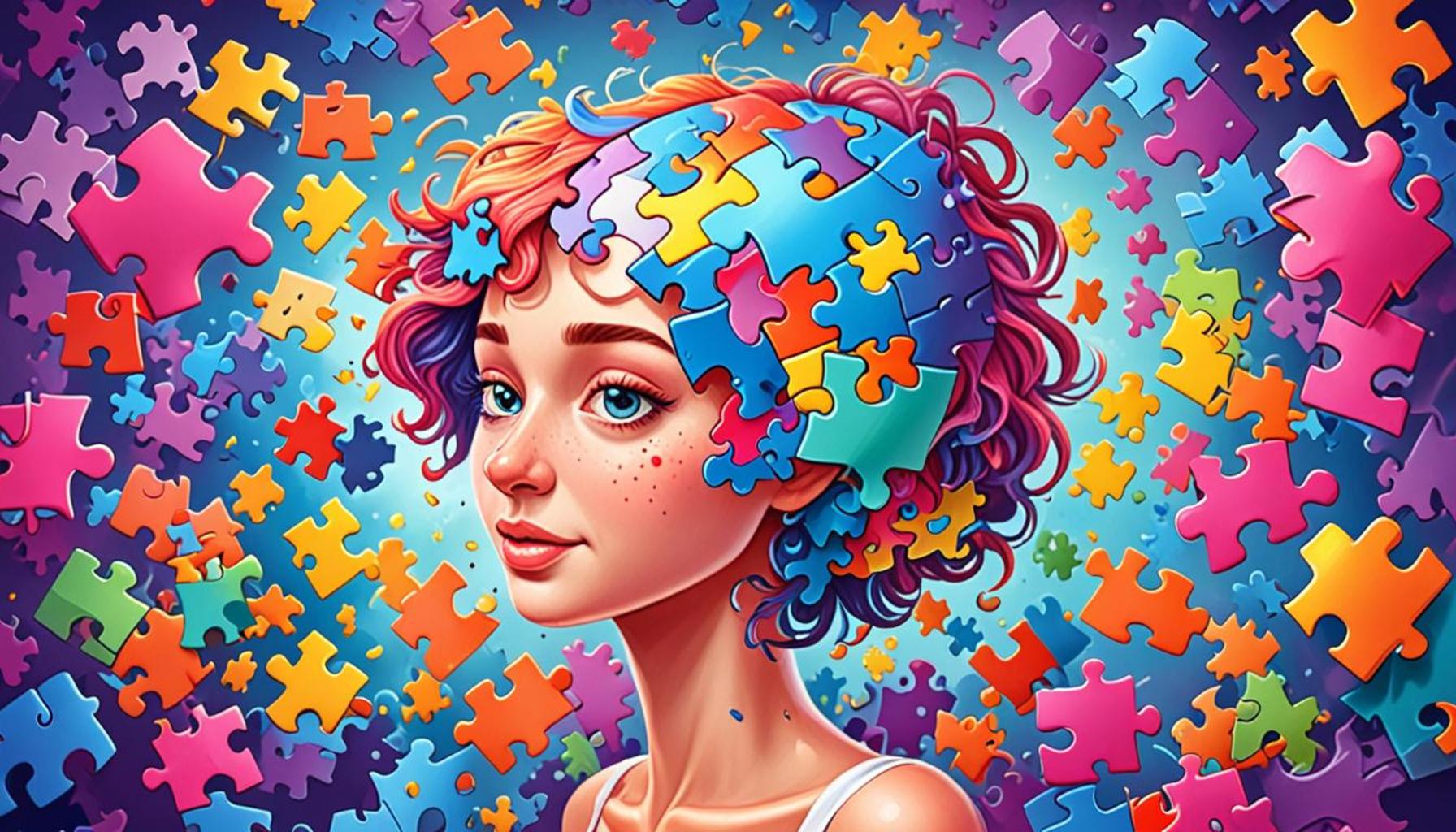
The Psychology Behind Puzzle Challenges: How They Stimulate Creativity
The Power of Puzzles in Cognitive Development
Puzzle challenges have captivated individuals for centuries, offering more than mere entertainment; they serve as tools to enhance cognitive abilities across various ages and skill levels. From children engaging with simple jigsaw puzzles to adults tackling complex crosswords or Sudoku, the allure of puzzles goes hand-in-hand with their psychological benefits. These engaging activities present a unique opportunity to sharpen various cognitive skills such as creativity, problem-solving, and mental flexibility.
So, what exactly makes puzzles so effective in stimulating our minds? Let’s explore the numerous facets that contribute to their cognitive advantages:
- Encouragement of critical thinking: Puzzles present scenarios that require critical analysis. For instance, a chess puzzle challenges players to consider multiple moves and outcomes, compelling them to think strategically. This skill transfers not only to the game itself but also to decision-making in everyday life.
- Boosting memory: A significant advantage of puzzle-solving is its ability to enhance memory. Remembering clues and patterns in a crossword helps reinforce recall abilities. Research suggests that regular engagement with memory-based activities, such as trivia or matching games, can contribute to improved cognitive function in combating age-related memory decline.
- Fostering persistence: The process of grappling with a particularly perplexing puzzle builds resilience. The satisfaction derived from overcoming the challenge fosters confidence. This is crucial in both educational settings and workplace environments, where persistence translates to navigating complex projects.
- Stimulating the brain: Engaging with puzzles activates various regions in the brain responsible for different cognitive tasks. A study by neuroscientists found that solving puzzles can increase neural connectivity, making the brain more efficient in handling information.
In a society that values creativity as a cornerstone of innovation, understanding the benefits of puzzles holds significance for personal and professional development. As they present unique challenges, puzzles not only enhance logical reasoning but also encourage imaginative thought processes. Whether it’s solving a riddle or piecing together a jigsaw, the skills developed through these activities are invaluable.
Moreover, the growing popularity of escape rooms and themed puzzle challenges in the United States is a testament to the desire for more interactive and engaging ways to stimulate the mind. These experiences not only draw friends and families together but also cultivate teamwork and collective problem-solving skills.
In conclusion, engaging with puzzles is not just a form of leisure; it’s an investment in cognitive health and creativity. As individuals seek to unlock their mental potential, the intricate connection between puzzle-solving and cognitive development becomes ever more crucial for personal growth and adaptation to the fast-paced world we live in.
DISCOVER MORE: Click here to unlock the benefits of puzzle challenges
The Link Between Puzzles and Creative Thinking
Puzzles are not merely brain teasers, but rather powerful instruments that encourage creative thinking and problem-solving. Engaging with puzzles requires a shift in perspective, often prompting solvers to explore multiple strategies and approaches to find solutions. This flexibility of thought is essential not only for tackling complex puzzles but also for navigating creative challenges in everyday life. Studies have shown that activities that require imaginative and innovative thinking can stimulate the brain’s creative regions, leading to greater original ideas and enhanced creative performance.
The cognitive processes involved in puzzle-solving involve a dynamic interplay of various mental faculties. Individuals encounter obstacles and limitations that strain their existing cognitive frameworks. This challenge compels them to reconfigure their understanding and approach, essentially forcing their minds to move outside of conventional thought patterns. As such, engaging with puzzles can bridge the gap between analytical reasoning and creative insight.
Here are several ways puzzles enhance creative thinking:
- Enhancing Divergent Thinking: Puzzle-solving often requires generating numerous solutions to a single problem, a process known as divergent thinking. This flexible cognitive strategy is essential for innovation, allowing the solver to brainstorm various potential solutions rather than fixating on a single answer.
- Encouraging Playfulness: Engaging with puzzles invites a sense of playfulness, a crucial element in accessing creative thought. When individuals are in a relaxed state while tackling a challenging problem, they are more likely to entertain wild or unconventional ideas, boosting their creative capacity.
- Promoting Curiosity: The intrigue surrounding puzzles stimulates curiosity, encouraging individuals to ask questions, explore different angles, and seek out new information. This inquisitiveness fosters a habit of lifelong learning, further enhancing creative abilities.
- Building Mental Resilience: Working through challenging puzzles cultivates a resilience that is invaluable in creative ventures. The struggles faced during these activities can translate into a greater appetite for risk in creative situations, where failure is often a stepping stone to breakthroughs.
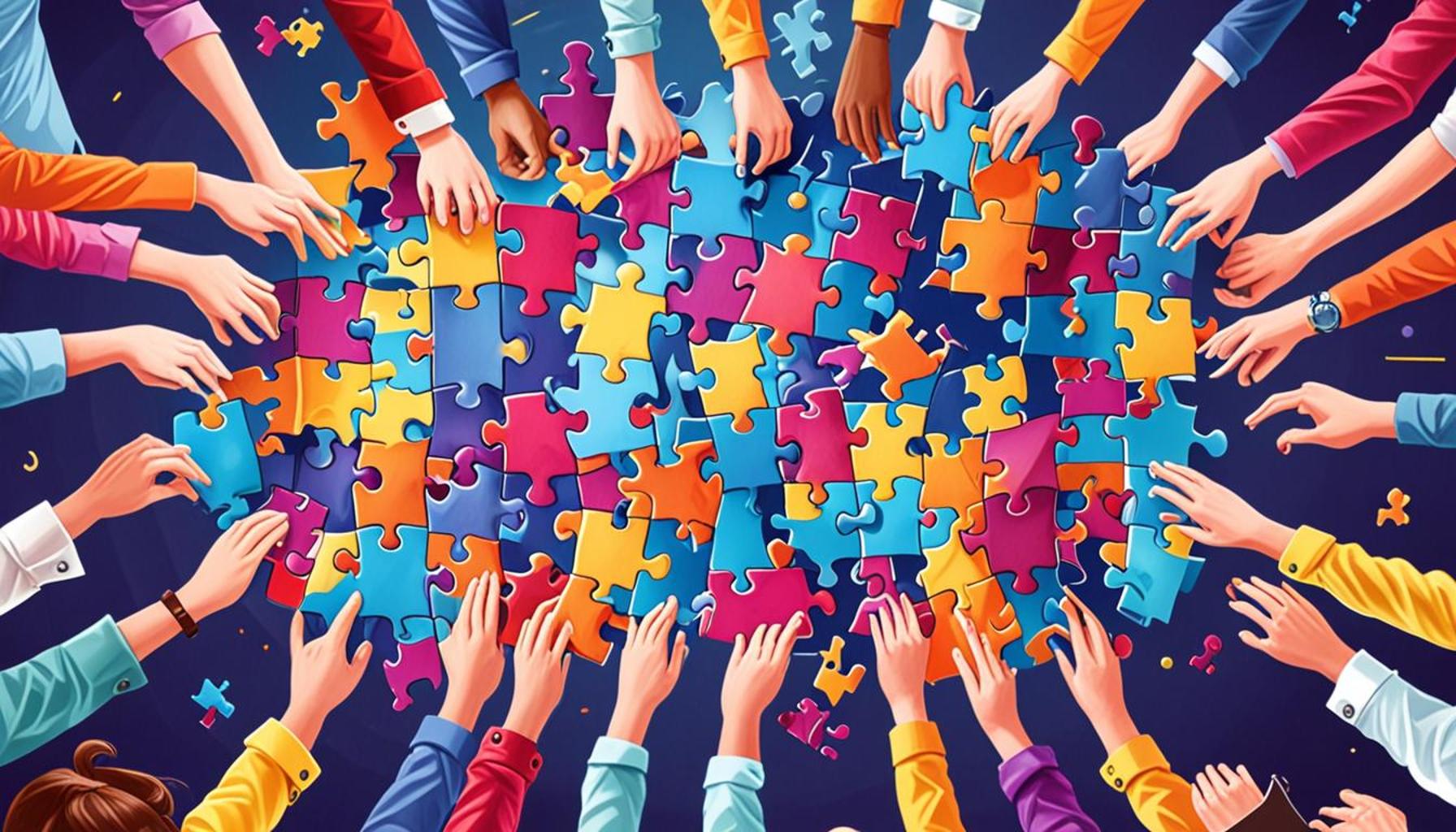
Moreover, the social aspect of puzzle-solving—especially in group settings such as escape rooms or trivia nights—further enriches the creativity experience. Collaborative puzzle challenges encourage group members to pool their ideas and perspectives, often leading to synergistic solutions that no one participant might have conceived alone. This collaborative effort not only sparks creativity, but also nurtures a spirit of teamwork and shared learning.
The world of puzzles is intricate and endlessly fascinating, revealing important insights into how our minds function. As we delve deeper into the psychology of puzzle challenges, it becomes evident that their benefits extend far beyond mere entertainment, offering significant contributions to cognitive development and creative flourishing.
| Category | Advantages |
|---|---|
| Cognitive Benefits | Engaging with puzzle challenges enhances problem-solving skills and increases mental agility. |
| Creative Stimulation | Puzzles encourage out-of-the-box thinking and foster innovative solutions to complex issues. |
| Stress Relief | They serve as a distraction from daily stressors, allowing the mind to relax and rejuvenate. |
| Social Interaction | Solving puzzles collaboratively promotes teamwork and enhances social bonds. |
The interaction with puzzle challenges is not merely recreational; it serves as a powerful tool to harness creativity and cognitive growth. Each aspect of the experience is designed to engage mental faculties and stimulate innovative thinking. For instance, the act of deciphering clues and patterns pushes individuals to think critically and approach problems from unique angles. This sort of engagement is invaluable in a world that increasingly values creative solutions and adaptive thinking.Moreover, these activities sharpen one’s ability to concentrate and maintain focus, which is pivotal in various professional and personal endeavors. The benefits do not just end there; studies suggest that the regular practice of puzzle-solving can lead to enhanced memory retention and longer-term cognitive health, aiding significantly as one ages. The collective experience of puzzling can also foster a sense of community when shared among peers, turning an individual activity into a collaborative challenge that strengthens relationships and builds camaraderie. By combining cognitive, social, and emotional advantages, puzzles are not just games; they are vital exercises for the mind that cultivate creativity and problem-solving skills. Engaging with these challenges opens up pathways for artistic expression, innovative solutions, and an overall creative enhancement that individuals can carry into their lives beyond the puzzles themselves. The link between play and creativity is well-documented, and puzzles are at the forefront of this fascinating intersection.
DISCOVER MORE: Click here to learn how to enhance problem-solving skills
The Neuroscience of Puzzle-Solving: Unraveling the Brain’s Potential
The act of solving puzzles does more than just engage our minds; it actively reshapes the way our brains function. Neuroscience research has revealed that working on complex puzzles triggers specific brain regions associated with both logic and creativity. For instance, a study by the American Psychological Association highlighted that engaging in puzzles promotes neuroplasticity—the brain’s ability to reorganize itself by forming new neural connections. This process not only enhances problem-solving skills but also fosters creative thinking.
When individuals tackle puzzles, multiple areas of the brain work in harmony, including the prefrontal cortex, responsible for decision-making and complex thought processes. Simultaneously, regions such as the right hemisphere, known for its role in creative tasks, come into play, demonstrating the balance between analytical reasoning and imaginative exploration. Such integrated brain activity not only leads to a deeper understanding of the puzzle at hand but also enables solvers to make creative leaps that can apply in various contexts, from artistic projects to innovative business solutions.
Self-Efficacy and Its Role in Creativity
Another psychological aspect influencing creativity through puzzle-solving is the concept of self-efficacy, defined as an individual’s belief in their ability to succeed. Successfully solving a difficult puzzle can significantly boost one’s confidence and sense of achievement. This increased self-efficacy can lead to enhanced creative output as individuals become more willing to take risks in their projects, drawing connections and developing ideas that they might have previously deemed unattainable.
- Real-Life Examples: Think of famous innovators like Steve Jobs and Albert Einstein, both known for their ability to view problems from unconventional angles. Their fondness for puzzles and challenges reflected the way such activities nurtured their creativity, encouraging them to innovate in their respective fields.
- Game Design and Creativity: The popularity of puzzle games, especially in mobile app culture, showcases the growing acknowledgment of puzzles as tools for fostering creativity. Game designers often integrate intricate riddles and enigmatic challenges that not only captivate users but also push the limits of their creativity and imagination.
The Role of Mental Breaks
Puzzles also integrate the vital aspect of mental breaks into the creative process. Engaging in a challenging puzzle allows the mind to step away from routine tasks, fostering a fresh perspective. Research indicates that stepping back from a problem can lead to what is known as the “Aha! moment,” where insights suddenly surface following a period of latent thought. This interplay of challenge and momentary detachment not only stimulates creative ideas but also helps prevent mental fatigue, promoting a more efficient cognitive process.
In essence, the psychological and neurological facets of puzzle challenges illuminate the profound impact they hold in stimulating creativity. By fortifying cognitive flexibility, boosting self-efficacy, integrating collaborative efforts, and offering essential mental breaks, puzzles serve as a dynamic catalyst for creative growth. As we continue to explore this relationship, it becomes ever clearer that the act of puzzle-solving is intricately intertwined with nurturing a more vibrant and inventive mindset.
DIVE DEEPER: Click here to uncover more insights
Conclusion: Unlocking Creativity Through Puzzle Challenges
The exploration of puzzle challenges reveals a fascinating interplay between psychology and creativity. As outlined, these mental exercises are not merely recreational pastimes; they serve as crucial tools for enhancing cognitive flexibility and self-efficacy. By engaging various brain regions, puzzles nurture the delicate balance between logical reasoning and creative thought, enabling individuals to tackle both mundane challenges and extraordinary innovations.
Moreover, the significance of mental breaks when solving puzzles cannot be overstated. These moments of reflection often catalyze those “Aha!” insights that propel creative endeavors forward. Within the context of our fast-paced lives, incorporating puzzles can serve as an effective strategy to combat mental fatigue, encouraging fresh perspectives and innovative solutions.
As society increasingly values creativity across all fields—from technology to arts—recognizing the benefits of puzzles becomes paramount. The real-life anecdotes of visionaries like Steve Jobs and Albert Einstein exemplify how these challenges can foster unique problem-solving approaches and inspire groundbreaking ideas.
In conclusion, the dynamic relationship between puzzle-solving and creativity underscores the importance of regular engagement with these challenges. To thrive in an ever-evolving world, one must embrace this particularly stimulating form of mental exercise. As we continue to delve into the psychology behind puzzles, it becomes clear that they are not just diversions; they are powerful catalysts that can unleash the untapped potential of the human mind.