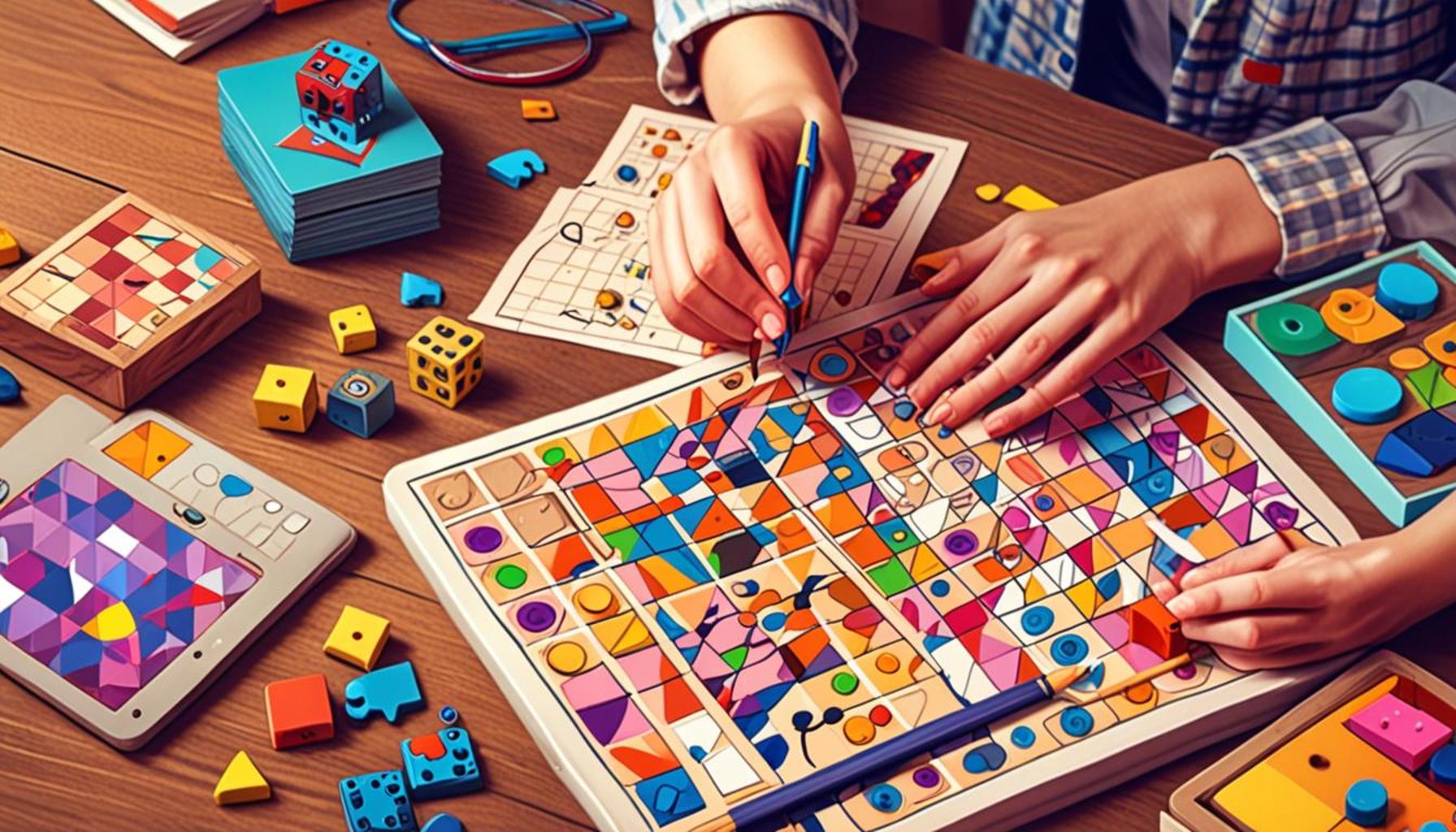
The Psychology Behind Logical Puzzles: Why They Fascinate and Frustrate People
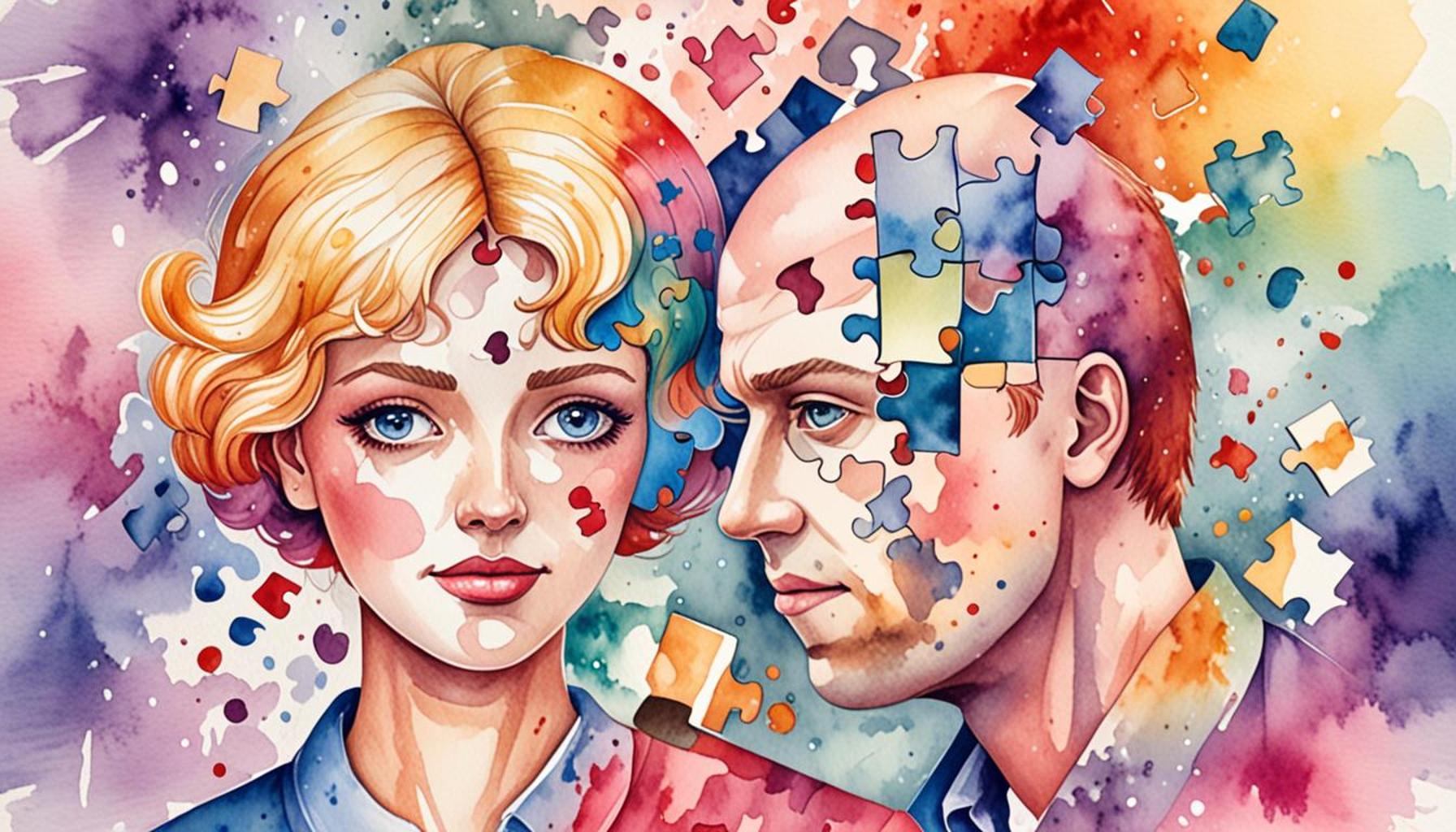
The Intrigue of Logical Puzzles
Logical puzzles have a unique ability to captivate our minds, drawing us into a world where reasoning reigns supreme. They operate at the intersection of challenge and reward, which often leads to an irresistible allure. But what exactly makes these puzzles so fascinating? Here are a few key aspects:
- Cognitive Challenge: Logical puzzles stimulate critical thinking and problem-solving skills. Engaging with these challenges encourages the brain to think outside the box, enhance analytical abilities, and develop a systematic approach to a problem. For instance, solving a classic Sudoku puzzle not only improves numerical proficiency but also cultivates patience and strategy. This mental workout is akin to engaging in a rigorous fitness regime for the mind.
- Entertainment Value: They serve as captivating brain teasers during leisure time. Whether through crossword puzzles in a Sunday newspaper or interactive mobile apps, logical puzzles have permeated modern entertainment. They provide not just a way to pass the time, but also an opportunity to socialize, as friends and family often engage in friendly competitions to see who can solve a tricky riddle first.
- Satisfaction from Solving: Completing a puzzle can evoke a sense of achievement, fostering positive emotions. The sudden clarity after deciphering a complicated conundrum releases dopamine, the brain’s feel-good chemical. This exhilarating rush explains why many individuals display an innate compulsion to return to puzzles again and again, continually seeking that rewarding moment of eureka.
However, this enigmatic engagement can just as easily lead to frustration. The struggle to unravel a particularly tough riddle might leave many feeling defeated. Key factors contributing to this phenomenon include:
- Complexity: Overly intricate puzzles can lead to confusion. Some puzzles, especially in competitive settings, feature convoluted logic that might deter even seasoned enthusiasts. When faced with a puzzle that seems insurmountable, it becomes easy to abandon it altogether, risking a sense of failure.
- Time Pressure: The race against the clock can evoke anxiety. Many online platforms present puzzles with timers, creating additional stress that can overshadow the enjoyment of the challenge. This can lead to hasty decisions and potential errors, which may perpetuate a cycle of frustration.
- Perfectionism: The desire for immediate success can lead to disappointment. Some puzzle enthusiasts expect instant results, and when they’re unable to arrive at solutions, the ensuing discouragement can drive them away from future attempts. This mindset underscores the importance of approaching puzzles with a learning mentality rather than a purely results-driven one.
As we delve deeper into the psychology behind logical puzzles, we discover that their magnetic appeal lies not just in the logic they embody, but also in the emotional rollercoaster they provoke. From sparking curiosity to inducing head-scratching moments of frustration, they tap into various aspects of human cognition and emotion. This multifaceted engagement raises a tantalizing question: What keeps us coming back, time and again, for another round of rigorous reasoning?
The journey through logical puzzles is both a test of intellect and a facilitator of emotional growth. Whether you aim to sharpen your skills or simply seek entertainment, the world of logical puzzles offers an endless array of challenges waiting to be unraveled.
DIVE DEEPER: Click here to uncover the fascinating history
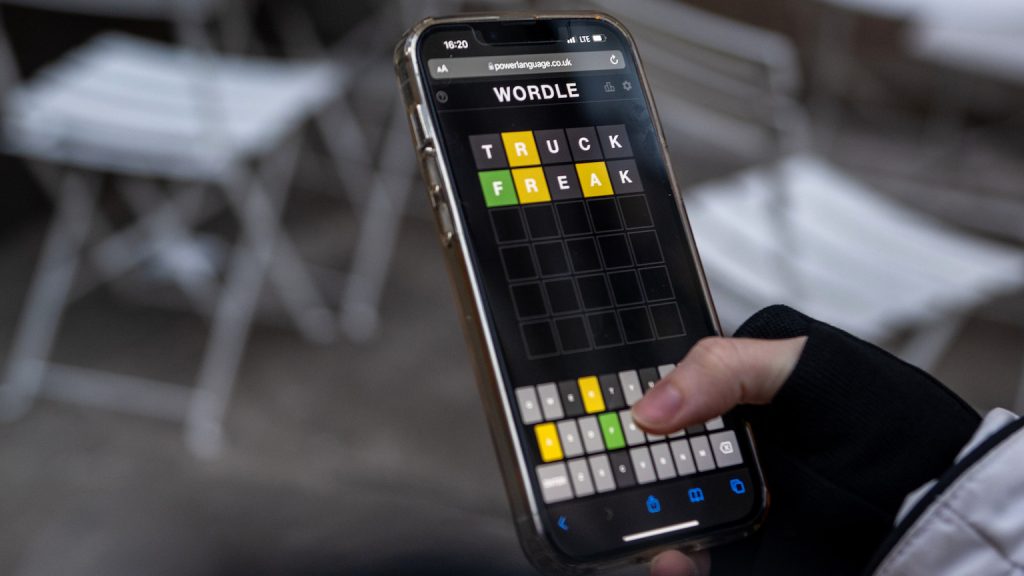
The Dual Nature of Engagement: Fascination and Frustration
As we explore the interface between fascination and frustration in logical puzzles, it becomes evident that these enigmas tap into fundamental aspects of human psychology. On one hand, they present a rich tapestry of cognitive challenges, while on the other, they can easily transition into sources of dissatisfaction. Understanding this dual nature can provide insight into why so many individuals indulge in the pursuit of logical puzzles, often at the expense of their time and mental energy.
The Role of Intrinsic Motivation
Logical puzzles often tap into what is known as intrinsic motivation, a driving force that compels individuals to engage in an activity for the sheer joy of it, rather than for external rewards. For many, the act of solving puzzles fosters a profound sense of curiosity and exploration. Research in psychology points toward an inherent desire to solve problems, a trait that has been pivotal for human survival throughout history. Hence, when individuals encounter a puzzle, they may experience a delightful rush of endorphins that encourages further engagement, promoting a sense of accomplishment regardless of the puzzle’s complexity.
Frustration as a Byproduct of Challenge
However, this enthusiasm can quickly morph into frustration. When the path to solving a puzzle becomes obstructed by complexity, individuals might grapple with cognitive overload. This occurs when the brain is inundated with too much information or conflicting logic, leading to a state of mental fatigue. Cognitive overload can provoke negative emotions and self-doubt, prompting some individuals to abandon puzzles altogether, feeling defeated by the very challenges that drew them in.
Identifying Common Psychological Triggers
Several psychological triggers play a significant role in this shifting landscape of interest and annoyance:
- Curiosity: The initial intrigue that drives individuals to tackle a puzzle often stems from an innate curiosity about how the pieces fit together. This exploration fuels perseverance, yet it can turn sour if progress stalls.
- Expectation vs. Reality: The notion of expecting immediate success can lead to disillusionment when the puzzle proves more complex than anticipated. High expectations can amplify feelings of frustration when the desired outcome doesn’t materialize.
- Social Pressure: In competitive environments, the pressure to outperform peers can lead to increased stress. For some, these high-stakes scenarios make it less about enjoyment and more about achieving a speedy solution.
As each person engages with logical puzzles, their reactions are shaped not only by their problem-solving skills but also by a myriad of psychological factors. The fine line between fascination and frustration can often dictate the overall experience: something that begins as a stimulating conundrum can devolve into a source of discontent. Ultimately, understanding the psychology behind these challenges may uncover why we are repeatedly drawn to engage with them, despite the emotional rollercoaster they can evoke.
The Fascination with Logical Puzzles
As humans, the allure of logical puzzles is deeply ingrained in our cognitive processes. Our brains thrive on challenges, finding it irresistible to solve problems that require critical thinking and analytical skills. This fascination often stems from the intrinsic reward system activated during the problem-solving process. Engaging with puzzles does not just bolster our intellect; it also provokes a sense of accomplishment and satisfaction, as we navigate through complexity to arrive at a solution.Logical puzzles inherently stimulate curiosity. The brain’s desire to complete a task induces a state of flow, where time seems to dissipate and focus intensifies. A study conducted by Stanford University revealed that when participants engaged in solving puzzles, there were significant releases of dopamine, a neurotransmitter associated with pleasure and motivation. This reaction reinforces the behavior, encouraging individuals to persistently tackle ever-more challenging puzzles.
Frustration as a Motivator
Conversely, the frustration that arises from logical puzzles can also enhance the experience. This psychological tension plays a dual role in keeping individuals engaged. When challenges seem insurmountable, the emotional response can lead to a deeper investment in finding a solution. The struggle is not merely a hindrance; it can spur creativity and innovative thinking. As highlighted in research by psychologists, overcoming barriers, whether mental or emotional, can lead to greater cognitive flexibility and resilience.Interestingly, the balance between fascination and frustration is often delicately managed in well-designed puzzles. The optimal difficulty level keeps the puzzle solver motivated while still allowing for potential achievement. The crafting of such logical challenges is a skill in itself, requiring an understanding of human psychology and behavioral responses. The intricate dance between ease and difficulty encourages individuals to continually seek out the next puzzle, further intertwining their fascination with logical challenges.
A Catalyst for Social Interaction
Logical puzzles also serve as a medium for social interaction, fostering discussions and camaraderie among those who attempt them together. Engaging in puzzles can build community and collaborative skills, as individuals share strategies and insights. This aspect further enhances the psychological impact, as shared experiences contribute to a sense of belonging and collective achievement. For many, solving puzzles becomes a social activity that transcends solitary experiences. As individuals gather around a complex brain teaser, they are not just solving a challenge but are participating in a collective journey, enriching their social ties and fostering a supportive environment.
| Category | Key Features |
|---|---|
| Cognitive Stimulation | Enhances problem-solving skills and critical thinking. |
| Social Engagement | Encourages collaboration and strengthens community bonds. |
The enduring appeal of logical puzzles highlights their significance in cognitive development and social dynamics, inviting enthusiasts to explore and deepen their engagement in this stimulating realm.
DIVE DEEPER: Click here to unlock powerful memory techniques
Cognitive Flexibility: The Key to Mastery and Struggle
At the heart of engaging with logical puzzles lies the concept of cognitive flexibility, which pertains to the ability to adapt one’s thinking in the face of changing demands. This cognitive skill is crucial for navigating the often convoluted paths that logical puzzles present. Individuals with high cognitive flexibility are typically more adept at shifting perspectives and applying different strategies to solve problems, which can heighten the overall sense of enjoyment. They relish the unpredictability and complexity of puzzles, seeing each obstacle as an opportunity for further intellectual exploration.
Conversely, those who exhibit lower levels of cognitive flexibility may find themselves more frequently ensnared in frustration. Greater rigidity in thought processes can make it challenging to abandon an ineffective strategy or to reconsider the parameters of a puzzle once they hit a mental roadblock. As psychological studies have shown, this inflexibility not only stifles problem-solving capacities but can also exacerbate feelings of frustration, making the logical puzzle not just a challenge but a source of anxiety.
The Social Dynamics of Puzzle Solving
Many people engage in logical puzzles within social contexts, whether through puzzle clubs, online forums, or friendly competitions. These environments introduce an added layer of social dynamics that can amplify both fascination and frustration. Group problem-solving often thrives on collaboration, where collective brainstorming can lead to breakthroughs that solitary attempts might never yield. The shared experience of struggling with a complex puzzle can enhance emotional bonds between participants, turning the challenge into a communal endeavor.
However, the social pressure to contribute meaningfully can also lead to heightened frustration. Individuals may feel an obligation to solve puzzles quickly or correctly, particularly when surrounded by more experienced peers. This pressure can overshadow the intrinsic enjoyment of puzzling and transform it into a competitive scrimmage, altering the foundational motivations that initially drew participants in. According to research, the dynamics of social competition in puzzle-solving scenarios can shift individuals’ focus from enjoyment to performance outcome, leading to heightened stress levels and, consequently, decreased satisfaction.
Trends in Puzzle Design and Appeal
The design of logical puzzles themselves can significantly influence psychological reactions and engagement levels. Puzzles that incorporate a variety of elements—like narratives, visuals, or innovative mechanics—can create a richer experience, heightening fascination. Gamification of puzzles, where solving challenges is intertwined with game-like elements such as rewards or levels, has also gained prominence in recent years. This trend reflects an understanding of human psychology, tapping into the allure of progression and achievement.
Moreover, puzzles that allow for multiple solutions—rather than a single correct answer—appeal to a broader audience. They foster a sense of discovery and creativity, allowing solvers to feel validated in their unique approaches. Some psychological studies suggest that open-ended problem-solving may cultivate resilience and patience in individuals, skills that are transferable to real-life challenges.
The bifurcation between fascination and frustration in logical puzzles is a complex interplay of cognitive skills, social dynamics, and puzzle design. As individuals continue to engage in these pursuits, they inadvertently uncover more about themselves and their psychological resilience, illuminating the intricate relationship between the mind and the challenges we choose to tackle.
DISCOVER MORE: Click here for brain-teasing logic challenges
Conclusion: Unraveling the Enigma of Logical Puzzles
The duality of fascination and frustration in logical puzzles serves as a window into the complexities of human cognition and social interaction. As explored throughout this article, engaging with these challenges not only triggers cognitive flexibility but also forces individuals to confront their mental limitations. The blend of collaborative problem-solving environments adds layers of intrigue, allowing participants to explore diverse strategies while simultaneously navigating the risks of social pressure that can distort the overall experience.
Moreover, the evolving landscape of puzzle design continues to captivate audiences by merging elements of gamification with traditional logical constructs, enriching the experience for solvers. Puzzles that embrace multiple solutions encourage creativity, validate individual problem-solving approaches, and foster resilience in the face of challenges, reinforcing skills vital both in and outside puzzle-solving scenarios.
Understanding the psychology behind logical puzzles opens a treasure trove of insights into our own minds and interpersonal relationships. Whether viewed as a delightful diversion or a demanding endeavor, logical puzzles invite us to explore the intricacies of our thought processes, challenge our limits, and enhance our emotional connections with others. As we continue to grapple with these enigmas, we are left with a profound appreciation for the delicate balance between fascination and frustration, prompting further inquiry into how we approach similar challenges in our lives, both trivial and profound.