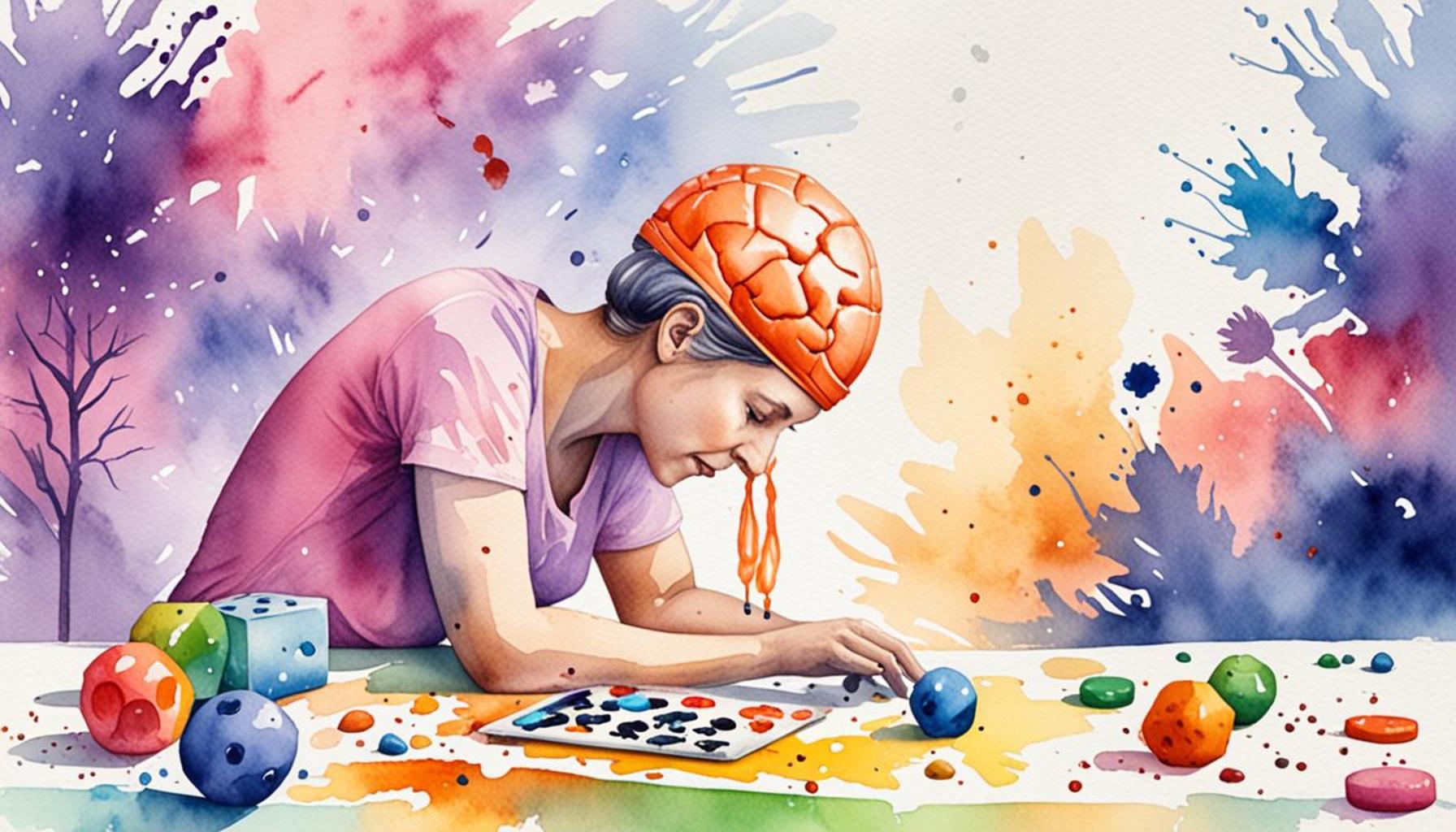
The Importance of Cognitive Games in the Development of Memory and Attention in Adults

Understanding the Impact of Cognitive Games
In an era dominated by rapid technological advancements and a constant influx of information, maintaining mental agility has become paramount for adults. Cognitive games have emerged as powerful tools that not only entertain but also stimulate the mind, enhancing memory and attention. These engaging activities range from brain-training apps to classic board games, making them accessible and enjoyable for a broad audience.
Benefits of Cognitive Games
Research supports the assertion that engaging in cognitive games can lead to measurable enhancements in numerous cognitive functions. The benefits of these games extend beyond simple amusement and can significantly impact everyday life. Here are a few notable advantages:
- Enhanced Memory: Regularly participating in memory-based games, such as crosswords or memory card matches, boosts recall and retention. Studies have shown that individuals who play these games can perform better on memory tests than those who do not.
- Improved Attention: Focus-intensive games designed to test concentration, such as Sudoku or attention training apps, can lead to remarkable improvements in one’s ability to concentrate on daily tasks, enhancing productivity both at work and home.
- Stimulation of Problem-Solving Skills: Engaging in strategy-based games like chess or puzzle challenges encourages players to think critically and develop creative solutions. This cognitive stimulation is crucial for maintaining mental sharpness.
Moreover, with numerous options available, cognitive games can be seamlessly integrated into everyday routines. With the rise of mobile technology, adults can enjoy diverse brain-training apps during commutes or while relaxing at home. Traditional board games have also seen a resurgence, drawing attention in social gatherings and family events, thereby bridging generational gaps.
Why Should Adults Engage?
As concerns about age-related memory loss and cognitive decline grow, preventive measures become increasingly vital. Engaging with cognitive games can serve as a proactive approach to safeguarding neurological health. Not only do these games foster mental resilience, but they also create opportunities for social interaction, further enhancing one’s mental well-being. According to a study from the University of Exeter, individuals who regularly engage in cognitive activities are less likely to experience social isolation—a key factor in mental health decline.
Exploring cognitive games offers a balanced approach to both fun and function. Whether using a digital platform or gathering friends for a game night, the benefits are substantial and far-reaching. Embracing these engaging activities can pave the way for a healthier mind, encouraging lifelong learning and enjoyment in the process.
DISCOVER MORE: Click here to learn about cognitive games as a rehabilitation tool
The Role of Cognitive Games in Cognitive Improvement
Cognitive games have gained significant traction among adults seeking to bolster their mental faculties. As society increasingly acknowledges the essential connection between an active mind and overall well-being, the relevance of these games becomes even clearer. They are not only positioned as recreational outlets; they are now recognized as vital tools for enhancing cognitive functions, particularly memory and attention.
How Cognitive Games Enhance Memory
Memory is a cornerstone of our cognitive abilities, influencing how we learn and interact with the world. Studies indicate that both short-term and long-term memory can be significantly improved through regular engagement with cognitive games. Games that require recalling sequences, like card-matching games or word puzzles, stimulate the areas of the brain responsible for memory processing. Engaging in these activities can help forge new neural connections, which is particularly important as adults age.
For instance, a study published in the journal Neuropsychology found that participants who played a memory card game consistently over six weeks showed an improvement of about 20% in memory recall tests, compared to their performance before starting the game regimen. Such findings underscore the importance of integrating memory-enhancing games into daily routines, especially for those in fast-paced environments.
The Impact on Attention Span
Modern life often presents an array of distractions that can hinder one’s ability to focus. Cognitive games tailored to improve attention span can serve as effective antidotes to this decline in concentration. Games designed around swift decision-making, such as brain-training apps that involve timed responses or challenging puzzles, push individuals to sharpen their focus, ultimately translating to better attention in daily tasks.
- Increased focus: Regular engagement with attention-centric games can enhance overall concentration levels, making it easier to complete tasks without succumbing to distractions.
- Boosted multitasking abilities: Games that involve juggling multiple tasks simultaneously improve cognitive flexibility, enhancing the capability to switch between tasks effectively.
- Reduction in cognitive fatigue: By stimulating the brain in diverse ways, cognitive games can help mitigate feelings of fatigue that come from sustained periods of concentration.
The influence of cognitive games extends beyond mere entertainment; they actively reshape neural pathways and support healthy cognitive aging. As cognitive decline often begins subtly, making cognitive games a part of an adult’s lifestyle can serve as a proactive measure against age-related impairments. Imagine transforming game night with friends into a valuable opportunity to enhance both social connections and mental acuity.
In essence, integrating cognitive games into the fabric of adult life is a step towards fostering a healthier and more engaged mind. This strategic blend of fun and mental exercise can lead to profound impacts on memory and attention, encouraging adults to remain mentally sharp and proactive in their cognitive health journey.
The Cognitive Advantages of Engaging in Brain Games
Cognitive games have proven to be invaluable tools for enhancing memory and attention in adults. As individuals age, the brain undergoes various changes that can impede cognitive function. Regular participation in cognitive games can help mitigate these effects by constantly challenging the mind. Through activities that stimulate various parts of the brain, such games promote neuroplasticity, the brain’s ability to form new connections. This aspect is essential for memory retention and improved focus.Additionally, cognitive games often introduce a competitive or entertaining element that can engage users more deeply than traditional learning methods. Players may find themselves absorbed in solving puzzles or strategizing in games, leading to increased motivation and a greater likelihood of long-term commitment. Moreover, these games foster social interaction when played in groups, further enhancing cognitive skills through collaboration and communication.To illustrate, a simple puzzle game can enhance working memory by requiring players to remember positioning and patterns, ultimately translating into better memory skills in everyday situations. Furthermore, mindfulness games focus on attention maintenance and can train players to enhance focus in a world filled with distractions, which is increasingly relevant in today’s fast-paced environment. It is also important to consider the array of cognitive games available, each designed to target specific skills. From memory match games to strategy-based tasks, these games serve not just for entertainment but are crucial in developing and sustaining cognitive health in adults.
| Category 1 | Category 2 |
|---|---|
| Memory Improvement | Cognitive games enhance recall abilities through memory exercises and challenges. |
| Enhanced Attention | Games train players to focus intently, improving their attention span and concentration in daily tasks. |
By integrating cognitive games into daily routines, adults can experience not only immediate benefits in their cognitive abilities but also long-term improvements that can significantly enhance their quality of life. The growing body of research suggests that the continual use of such games can lead to a more resilient memory and sharper attention over time, effectively combating cognitive decline as one ages.
DISCOVER MORE: Click here to enhance your memory skills
Cognitive Games as Tools for Lifelong Learning
The benefits of cognitive games extend beyond memory and attention enhancement; they act as powerful tools for encouraging lifelong learning among adults. Engaging with these games provides not only cognitive stimulation but also creates a platform for discovering new skills and knowledge. This aspect is particularly crucial in a rapidly evolving society where continuous learning is key to staying relevant and adaptable.
Fostering Problem-Solving Skills
Cognitive games often present players with complex challenges that require strategic thinking and problem-solving skills. Whether it’s a logic puzzle or a strategy-based game, these activities compel individuals to analyze situations, weigh options, and anticipate potential outcomes. For instance, games like chess or Sudoku require deep concentration and tactics, which can translate to improved decision-making abilities in daily life.
Research from the Journal of Cognitive Enhancement highlights that adults who regularly engage in problem-solving games reported a 15% increase in their ability to approach real-world challenges with a more analytical mindset. This enhanced problem-solving capacity can significantly benefit one’s professional life, empowering them to tackle issues more effectively and leading to innovative solutions in the workplace.
Enhancing Emotional Intelligence
Another intriguing benefit of cognitive games is their role in improving emotional intelligence (EI). Many games incorporate social elements or interpersonal challenges that require players to consider emotions, read cues, and interact with others. As adults participate in cooperative or competitive settings, they learn to navigate emotions – both their own and those of the people around them.
- Empathy Development: Games that require teamwork foster empathy and communication, making participants more attuned to the feelings and perspectives of others.
- Stress Management: Engaging in light-hearted games can offer a stress-relieving escape, equipping players with emotional regulation strategies for dealing with real-life pressure.
- Interpersonal Skills: Regular participation in group games can enhance social skills, as players learn to negotiate, collaborate, and strategize with others.
These skills not only enhance personal relationships but also contribute to a more harmonious work environment, where collaboration and understanding are paramount to success. Adults regularly practicing these cognitive games develop greater emotional resilience and social awareness, leading to deeper connections and improved teamwork.
The Digital Evolution of Cognitive Games
With the rise of technology, cognitive games have also migrated to digital platforms. Apps and online games have allowed adults to engage with cognitive exercises anytime, anywhere. This accessibility means that individuals can seamlessly incorporate brain training into their busy schedules. Notably, platforms like Lumosity and Peak offer tailored exercises focused on memory, attention, and problem-solving, making cognitive training both personalized and enjoyable.
Additionally, digital platforms often utilize analytics to track progress, offering insights into areas of improvement. As reported by Frontiers in Psychology, users who engaged with these digital cognitive games demonstrated significant advancements in cognitive skills over just a few months, highlighting the long-term benefits of sustained engagement.
With the integration of technology into cognitive gaming, adults are not only encouraged to prioritize their mental health but also to view cognitive enhancement as a fun and rewarding pursuit. This new approach to cognitive challenges further emphasizes the importance of fostering memory and attention through interactive and engaging methods that are relevant to today’s fast-paced lifestyle.
DISCOVER MORE: Click here to uncover the secrets of critical thinking
Conclusion
As we navigate through an increasingly complex world, the significance of cognitive games in enhancing memory and attention among adults cannot be overstated. These games serve not only as an avenue for mental exercise but also as vital tools for lifelong learning and personal growth. The strategic nature of cognitive challenges sharpens problem-solving abilities, while the social dynamics foster emotional intelligence—both of which are essential skills in both personal and professional spheres.
Moreover, the digital evolution of cognitive games has democratized access to these valuable resources. With a plethora of apps available, individuals can now seamlessly integrate brain training into their routines, ensuring that mental wellness and cognitive enhancement are more achievable than ever. Platforms that utilize data analytics provide personalized feedback, enabling users to monitor their progress and adjust their strategies accordingly. This tailored approach enhances engagement, which is pivotal for sustained cognitive improvement.
Ultimately, the integration of cognitive games into one’s lifestyle represents a proactive step toward maintaining mental agility and emotional resilience. By regularly participating in these engaging activities, adults can cultivate not just sharper memories and focus, but also a greater capacity for empathy, collaboration, and adaptability. Embracing this immersive approach can transform the mundane into an exciting journey of self-improvement, pushing the boundaries of what adults can achieve in their cognitive development. For those seeking to explore this further, the world of cognitive gaming awaits, promising both enjoyment and empowerment.