Puzzle Challenges in the Age of Social Media: How to Connect People through Games
The Social Dynamics of Puzzle Games
In today’s fast-paced digital world, social media has transformed the way we interact. With millions of users sharing moments daily, online games have emerged as a powerful tool to foster connections among people. Puzzle challenges, in particular, have captivated players and facilitated relationships across geographical barriers.
One notable aspect of these games is their ability to foster Community Engagement. Platforms like Facebook and Discord host numerous puzzle-solving groups, allowing users to collaborate and compete. For example, the popular game “Words With Friends” has cultivated a dedicated community of players who not only enjoy the game but also engage in lively discussions about strategy, share tips, and often form lasting friendships as a result. Moreover, community challenges often spotlight collaboration over competition, directing focus towards collective goals and achievements.
Another vital feature is their Inclusivity. Puzzle games cater to all ages and skill levels, making them appealing to a wide audience. Take “Candy Crush,” for instance; its vibrant graphics and simple mechanics invite both young and older players. This accessibility prompts families to engage together, as parents and children often have fun attempting to beat a level or compare scores, thereby strengthening family bonds through playful interaction.
Furthermore, many puzzle challenges enable Real-Time Interaction. Games like “QuizUp” and “Trivia Crack” not only allow players to compete on a global scale but also feature live leaderboards and instant messaging. Participants can send instant messages to their opponents, discussing strategies or expressing encouragement. The ability to communicate in real-time enriches the gaming experience, transforming a solitary activity into a shared social event, regardless of where players are physically located.
As these games intertwine with social media, they bridge gaps and cultivate friendships. Players often share achievements, strategies, and unique experiences, enriching the overall enjoyment of games. In essence, puzzle challenges not only provide entertainment but also create a space where connections blossom, fostering a sense of community in an increasingly digital world. They encourage collaboration and friendliness, allowing individuals to overcome their differences and focus on shared interests.
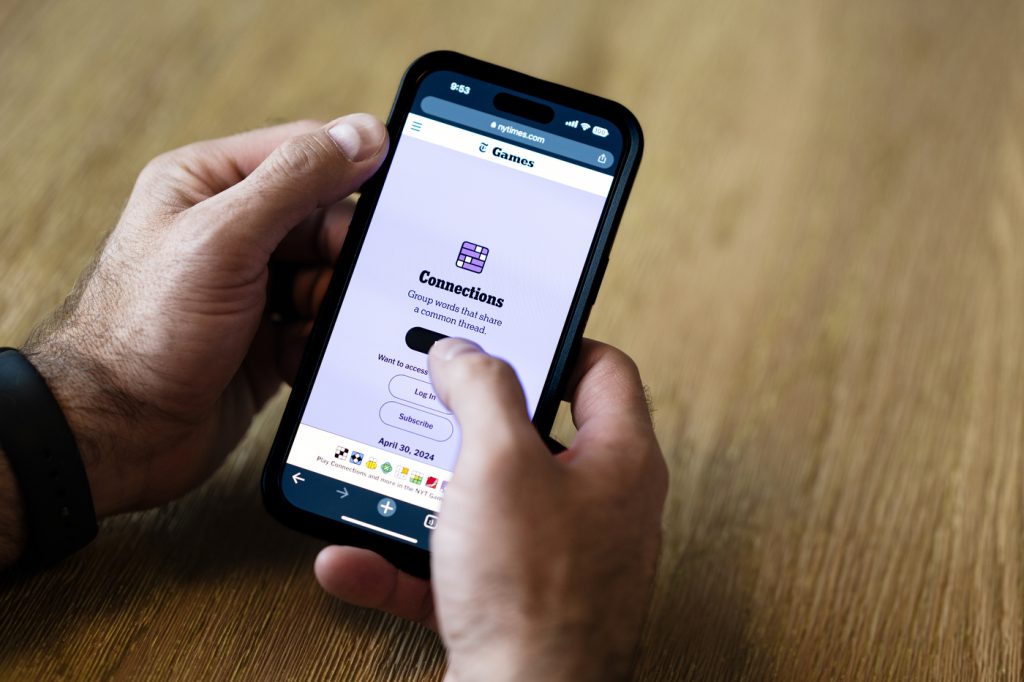
Join us as we delve into the impact of puzzle challenges on social connections and explore how they are redefining interaction in the digital era. It’s a fascinating journey that reveals not just the allure of puzzles but the profound human connections they inspire.
DISCOVER MORE: Click here to dive deeper
The Power of Gamification in Social Connections
Puzzle challenges have seamlessly integrated gamification into our daily interactions, creating an engaging way for individuals to connect and communicate. The concept of gamification revolves around applying game-like elements in non-game contexts, encouraging players to participate more actively. This innovative approach not only enhances user experience but also fosters deeper social interactions among participants.
One key aspect of this phenomenon is the Engagement Factor. Platforms like “Zynga’s Words With Friends” and “Puzzle & Dragons” leverage rich narratives, colorful visuals, and rewarding gameplay mechanics to keep players invested. According to recent studies, games that incorporate social engagement features tend to have higher retention rates. Players are not just solving puzzles; they are actively participating in a community where their achievements are celebrated, thus motivating them to interact with fellow gamers. The engagement leads to meaningful connections that extend beyond the game itself.
Moreover, puzzle challenges often introduce Competitive Elements that ignite friendly rivalry. Leaderboards, time trials, and score comparisons turn casual gameplay into a competitive arena, prompting players to connect with friends or even strangers in a bid to outperform one another. From trivia contests to word puzzles, the competition encourages individuals to reach out, challenge one another, and share in the excitement of their victories. A quick glance at platforms like “Kahoot!” demonstrates how competitive quizzes can foster a spirited community atmosphere, where users revel in each other’s knowledge and skills.
Here’s a breakdown of how puzzle challenges are reshaping social interactions online:
- Increased Interaction: Players often find themselves engaging in discussions on social media forums or chat groups to share solutions, strategies, and personal anecdotes.
- Collaboration Opportunities: Many games promote teamwork, allowing users to join forces in solving challenges. This collaboration builds trust and camaraderie among players.
- Event Hosting: Some platforms offer the ability to host real-time puzzle-solving events, where friends or community members can participate simultaneously, transforming a solitary activity into a collective experience.
- Social Sharing: Features allowing users to share accomplishments on platforms like Facebook and Instagram serve to elevate social connections, showcasing their skills and inviting others to engage.
In essence, the rise of puzzle challenges provides a dynamic medium for people to connect, pivoting around competition, collaboration, and community. As players leverage these games to bridge the gaps between them, they are not just clicking tiles or answering questions; they are weaving together a tapestry of interlinked relationships that transcend traditional social boundaries. The effect is profound: puzzle challenges serve as a social catalyst in a technology-driven age, forging friendships and revitalizing our communal experiences.
In the ever-evolving landscape of social media, puzzle challenges have emerged as a potent tool to foster connections among individuals across the globe. These digital interactions are not only about solving intricate problems but also about enhancing social bonding through shared experiences. With platforms enabling users to collaborate in real-time, players can work together to crack codes, solve riddles, and navigate complex challenges, regardless of geographical boundaries.
The Role of Collaboration in Puzzle Challenges
Engagement in puzzle games promotes teamwork and collaboration. Players often find themselves strategizing and brainstorming together, which strengthens their communication skills and promotes a sense of community. Participation in these games often leads to new friendships and networks, as individuals who previously might have been strangers come together to achieve a common goal.
Enhancing Cognitive Skills
Another noteworthy advantage of puzzle challenges is their ability to enhance cognitive skills. They require critical thinking, problem-solving, and logical reasoning. As players dive deeper into these challenges, their minds are engaged in a stimulating activity that can improve mental agility and creativity. This cognitive stimulation can be especially important in today’s fast-paced digital environment where quick thinking is often necessary.
Social Media as a Catalyst for Virality
Social media platforms act as a catalyst for the viral potential of puzzle challenges. Players can easily share their achievements, invite friends, and compete against others, leading to an exponential increase in participation. This social sharing not only amplifies the game’s reach but also promotes a culture of inclusivity and engagement. The more players participate, the more visible the enjoyment becomes to others, often leading them to jump in as well.Overall, the intersection of puzzle gaming and social media is not merely about entertainment; it is a gateway for individuals to connect, collaborate, and develop meaningful relationships in a digital age that often feels isolating. By leveraging these interactive experiences, we are re-defining social connection, paving the way for a future where games can unite people across all boundaries.
DISCOVER MORE: Click here for insights on enhancing your cognitive abilities
Puzzle Games as Tools for Social Empowerment
Building on the engaging dynamics of puzzle challenges, these games are increasingly recognized for their potential to foster social empowerment among diverse groups. As they often encompass elements of teamwork and problem-solving, they create spaces where individuals from varying backgrounds can come together to collaborate, leaving aside cultural and language barriers. This phenomenon has gained particular traction in community-driven initiatives, such as those focusing on educational outreach or mental health awareness.
Consider the vibrant community around CodeCombat, where players not only tackle puzzles but also learn coding through captivating gameplay. This platform encourages collaboration by allowing players to team up, share code snippets, and solve challenges as a unit. By transforming learning into an interactive game, participants establish connections based on shared goals and support, bridging the gap between personal and educational development.
Moreover, the concept of Inclusivity is central to the evolution of puzzle games in the social media landscape. Games like Elevate prioritize accessibility, offering features such as multiple language options, adjustable difficulty levels, and customizable gameplay experiences. This adaptability allows gamers of all ages and skill levels to participate, cultivating an environment where everyone can engage meaningfully. As a result, players not only have fun but also feel empowered, fostering a sense of belonging within the gaming community.
Furthermore, the incorporation of Social Impact Initiatives into puzzle games has led to the proliferation of charitable gaming events. Platforms like Charity: Water use puzzle challenges to raise awareness and funds for clean water initiatives. Gamers can participate in solving specific challenges, with their achievements directly contributing to a social cause. Such games not only promote camaraderie among players, but also empower them to make positive contributions to society, further strengthening their connections.
The role of technology in enhancing these social interactions cannot be overstated. With the capabilities offered by Artificial Intelligence and data analytics, games are becoming more personalized, recommending challenges tailored to the player’s interests and social circles. As players engage more deeply with these tailored experiences, their connections with others also deepen. This allows for an ecosystem where players can invite friends based on shared interests or even locate new acquaintances with similar goals, effectively expanding their gaming networks.
- Gamification in Learning: Puzzle games equipped with educational content are becoming social engagement tools that create collaborative learning environments.
- Support Groups: Social media platforms are emerging as valuable resources for gamers looking for emotional support or strategy advice, further solidifying community ties.
- Fitness via Puzzles: Games that combine physical activities with puzzle-solving, like “Zombies, Run!”, create unique social experiences, encouraging friendships through shared fitness goals.
- Cultural Exchange: Games encouraging users to solve regional puzzles promote cultural understanding and appreciation as individuals share strategies and techniques pertinent to their backgrounds.
The multifaceted nature of puzzle challenges in the age of social media presents a transformative power, tapping into players’ desire for connection while democratizing gameplay. By engaging with one another through shared knowledge and experiences, players are discovering a new way to forge friendships and community ties, fundamentally redefining what it means to connect through games in our increasingly interconnected world.
DISCOVER MORE: Click here for insights on cognitive games
Conclusion: The Future of Connection through Puzzle Challenges
As we navigate the shifting landscape of digital interaction, puzzle challenges have emerged not only as entertainment but as powerful conduits for social connection. In an era where geographical boundaries are increasingly blurred by technology, these games have the potential to create inclusive circles where diverse demographics collaborate and bond over shared objectives. This connectivity shines through collaborative platforms like CodeCombat and community-driven events, redefining the traditional notions of friendship and teamwork.
The emphasis on accessibility ensures that players of all backgrounds can participate, fostering enriching experiences that can cultivate a sense of belonging. Meanwhile, organizations are harnessing the allure of gaming for social impact, uniting players for meaningful causes and raising awareness through engaging puzzle frameworks. The trend indicates a continuous evolution towards a more interconnected world, powered by the collaborative spirit that puzzle games inspire.
Moreover, advancements in artificial intelligence further tailor these experiences, personalizing challenges and enhancing social interactions among users. As this genre evolves, it begs the question: how will future puzzle adaptations redefine our social fabric? By delving deeper into puzzle challenges, we not only find entertainment but also uncover a pathway to richer social engagement, emphasizing that in the age of social media, games are much more than mere pastimes—they are vital tools for building community.
In conclusion, the transformative potential of puzzle challenges in the age of social media can offer insights into human connection that are both profound and beneficial. These innovations invite further exploration into how we can continue to leverage games to foster lasting relationships and promote inclusivity in our increasingly global society.