Puzzle Challenges as a Tool for Developing Social Skills in Children
The Impact of Puzzle Challenges on Social Skills Development
Puzzle challenges are not merely entertaining diversions; they play a crucial role in improving children’s social skills. In a world filled with digital distractions, the need for engaging activities that foster teamwork and communication has become more pressing than ever. This article will examine how puzzle challenges encourage collaboration, critical thinking, and empathy among young individuals.
Teamwork
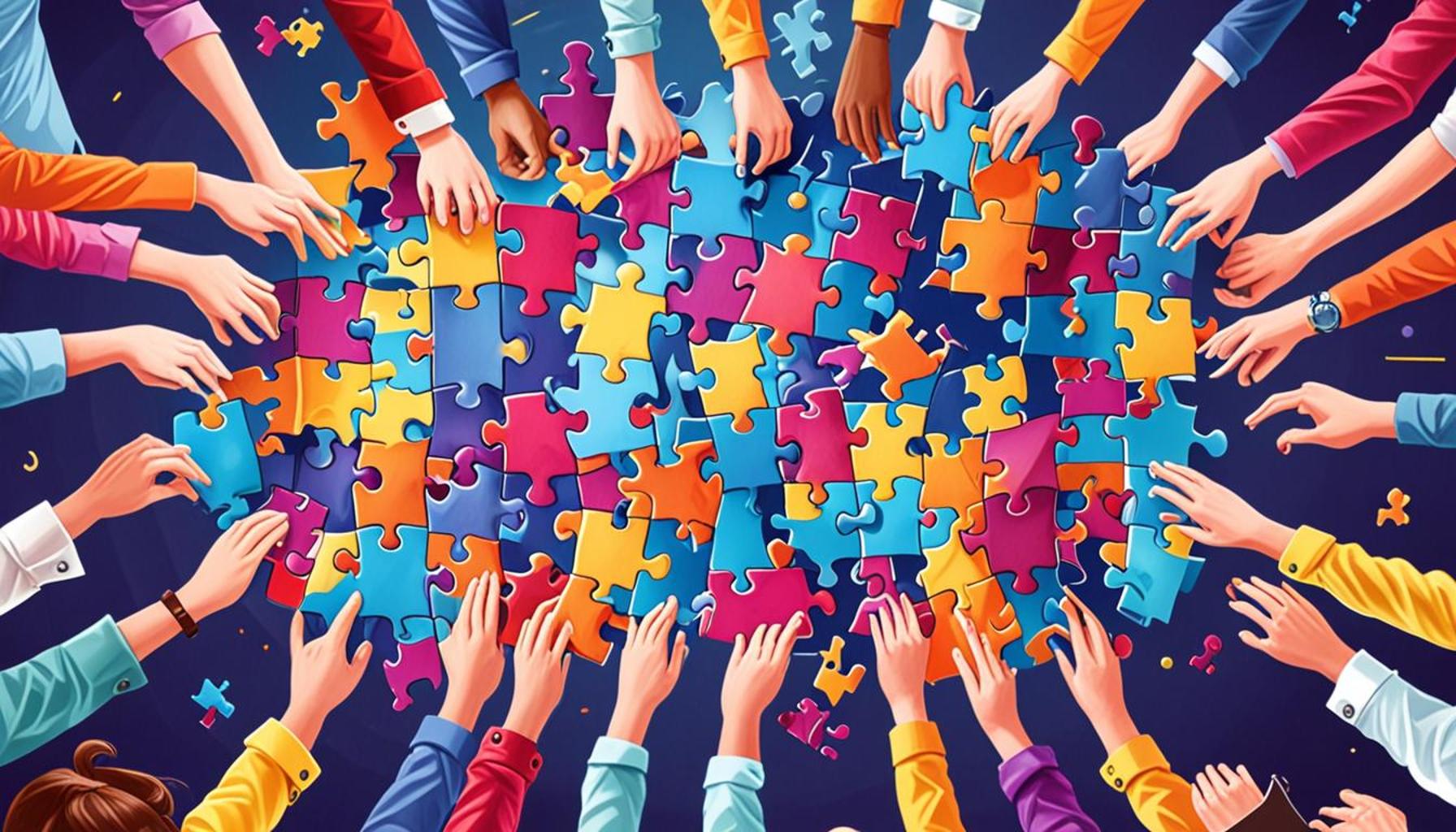
When children engage in puzzles together, they learn the essence of cooperation. For instance, a group of kids working on a large jigsaw puzzle must discuss how to sort the pieces effectively and decide who will handle different sections. This collaborative effort not only teaches them to share responsibility but also instills a sense of belonging within the group. The excitement of seeing the puzzle come together serves as a bonding experience, which can lead to lasting friendships.
Problem-Solving
Puzzles inherently require children to think critically and resolve challenges, which aids their problem-solving capabilities. As they wrestle with complex shapes or strategies in a crossword puzzle, they must communicate their thoughts coherently to find solutions. For example, when faced with a particularly tricky riddle or logic puzzle, children learn to articulate their reasoning, helping them understand diverse perspectives and enhancing their cognitive flexibility. This skill set not only prepares them for academic success but also equips them with tools for navigating real-world challenges.
Communication
Engaging with peers during puzzle-solving encourages effective communication. As children express their ideas, share perspectives, and discuss various strategies, they refine their verbal skills and broaden their vocabulary. Imagine a scenario where a team of kids is competing to finish a scavenger hunt puzzle; they must exchange clues and hints to succeed. Such interactions not only bolster their linguistic proficiency but also instill confidence when expressing themselves publicly.
According to studies, children who engage in collaborative puzzle activities demonstrate enhanced social interaction skills. They practice key social behaviors like sharing and negotiating roles, which are crucial for maintaining relationships. Furthermore, these bonding experiences contribute to their emotional intelligence, fostering empathy as they learn to appreciate their peers’ feelings and viewpoints.
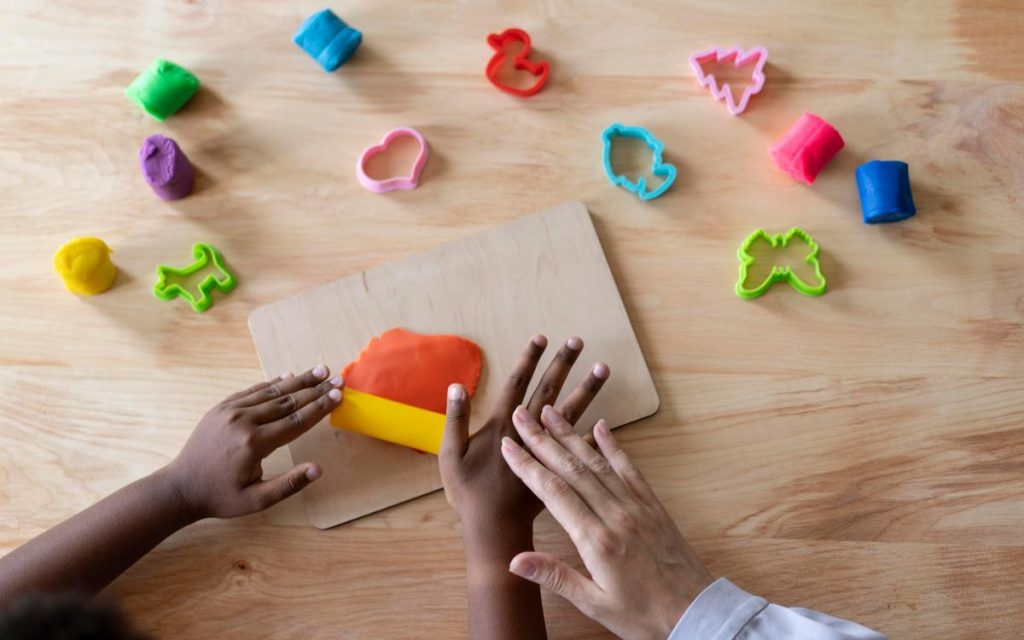
With over 70% of children in the United States reportedly spending their free time on screens—be it tablets, gaming consoles, or smartphones—incorporating puzzle challenges can significantly mitigate this trend. By introducing engaging, interactive puzzles into playtime, caregivers can help bridge the gap in social development.
This article will also explore specific types of puzzles, innovative techniques for implementation, and inspiring real-life success stories that underscore the profound social benefits derived from engaging in puzzle challenges. From simple jigsaw puzzles to complex escape room scenarios, the opportunities for enhancing social skills through play are abundant and worth investigating further.
DISCOVER MORE: Click here to learn about the benefits of cognitive games
Nurturing Social Connections Through Puzzle Challenges
Puzzle challenges serve as a unique platform for fostering social interactions among children, offering essential opportunities for budding friendships and collaborations. Engaging in these interactive activities allows children to navigate social landscapes while working toward a common goal. By partaking in puzzles, children practice vital social skills that will benefit them in various social settings, from school environments to extracurricular activities.
Building Trust and Cooperation
In the context of puzzle challenges, cooperation is paramount. When children collaborate on a puzzle, they must build trust with their teammates, which can lead to stronger connections. For example, when a group of children works together to complete a large map puzzle, each child must rely on the others to contribute their ideas and skills. This reliance creates an atmosphere of mutual support, helping them understand the importance of working together and valuing each other’s input. Such experiences are invaluable; they teach children that everyone has something unique to offer and that success is often a collective endeavor.
Encouraging Patience and Turn-Taking
Puzzle challenges are also effective in teaching patience and turn-taking among peers. During a group puzzle-solving session, children must learn to wait for their turn to contribute ideas, piece together sections, or even select the next action. This practice promotes emotional regulation and self-control, which are essential components of social competence. For instance, a scenario where several children are engaged in assembling building blocks or a multi-layered puzzle can reveal how they learn to navigate feelings of frustration or excitement as they await their turn. Such moments encourage a profound understanding of fairness and respect in social interactions.
Enhancing Nonverbal Communication
Puzzle-solving isn’t solely about verbal exchanges; it also fosters nonverbal communication skills. Children quickly learn to rely on body language and gestures to convey their ideas and intentions. A simple glance at a piece that fits perfectly can communicate more than words during collaborative activities. At the same time, they pick up cues from their peers—reading facial expressions, gauging enthusiasm, and responding to hints about frustration or joy. This aspect of social skill development can be crucial as children grow, enabling them to express themselves in diverse social contexts effectively.
Through engaging in puzzle challenges, children can expect to experience the following key benefits:
- Improved teamwork abilities
- Enhanced verbal and nonverbal communication skills
- Greater patience and self-control
- Strengthened emotional intelligence
As children immerse themselves in puzzle challenges, they are not just playing; they are crafting essential social skills that will serve them throughout their lives. The collaborative nature of puzzles creates a rich environment for learning from one another and developing a deeper appreciation for teamwork. As the demand for social competence increases in today’s world, incorporating these activities can provide a solid foundation to help children thrive in their interpersonal relationships.
Puzzle Challenges: Fostering Social Interaction and Communication
Engaging children in puzzle challenges not only enhances their cognitive skills but also plays a critical role in developing essential social skills. As children work together to solve puzzles, they naturally engage in communication, negotiation, and teamwork. This collaborative environment encourages them to express their thoughts and ideas, fostering a sense of belonging and empathy towards others. In this social context, children learn the importance of listening and respecting different perspectives, which are pivotal components of effective communication.
The Role of Problem-Solving in Social Skill Development
One significant aspect of puzzle challenges is their ability to promote problem-solving skills. During puzzles, children encounter obstacles that require cooperative solutions. This real-time problem-solving exercise not only sharpens their critical thinking abilities but also teaches them how to handle conflicts and disagreements with peers. For instance, when children disagree on the best approach to completing a puzzle, they must negotiate and collaborate to find a resolution. Through this process, they learn valuable skills such as compromise and patience, further enhancing their social interactions.
Encouraging Mixed-Age Play Through Puzzle Challenges
Puzzle challenges can also serve as a bridge for mixed-age play, providing opportunities for younger children to learn from their older peers. When younger and older kids work together on challenging puzzles, the older ones can model positive social behaviors, such as sharing and encouraging teamwork. This interaction creates an inclusive environment where children learn to appreciate diversity in age and skill levels, ultimately enriching their social experiences. In various settings, from schools to community centers, introducing puzzle challenges can create more cohesive groups, allowing children to build friendships across different age demographics.
| Category | Benefits |
|---|---|
| Communication Skills | Children learn to share ideas and listen to others, enhancing their verbal and non-verbal communication. |
| Problem-Solving Abilities | Working together on puzzles teaches kids to resolve conflicts and develop collaborative solutions. |
By incorporating puzzle challenges into educational activities, parents and educators can provide a unique approach to nurturing critical social skills in children, reinforcing the idea that learning can be both engaging and socially enriching.
DISCOVER MORE: Click here to enhance your critical thinking skills
Encouraging Conflict Resolution and Problem-Solving Skills
As children engage in puzzle challenges, they inevitably encounter moments of conflict or disagreement. Whether it’s differences in opinion on how a puzzle piece fits or rival strategies for completing the task, these experiences present an opportunity for children to hone their conflict resolution skills. When faced with such obstacles, they must learn to negotiate, listen actively to suggestions, and compromise to move forward. For instance, one child may feel strongly about a particular piece’s placement, while another may have a different perspective. Navigating this disagreement, they practice skills that will be crucial in real-life situations, from group projects at school to disagreements among friends.
Fostering Creativity and Critical Thinking
Puzzle challenges not only enhance children’s social skills but also stimulate their creative and critical thinking. When working together to solve puzzles, children must think outside the box and analyze various approaches to reach their goal. This thought process often leads to brainstorming sessions where every child is encouraged to share their ideas. Such collaborative discussions promote an environment of open-mindedness. For example, while assembling a jigsaw puzzle depicting a scenic landscape, some children may suggest alternate arrangements for color sorting, while others might advocate for a strategy focusing on edge pieces first. These exchanges not only build social skills but also ignite a potential love for problem-solving.
Developing Resilience and a Growth Mindset
Puzzle-solving often comes with challenges and setbacks, which is where children learn the value of resilience. Overcoming difficulties, whether it’s figuring out a seemingly impossible piece or re-evaluating an approach, helps children develop a growth mindset. They begin to understand that effort and persistence can lead to successes, even after initial failures. During a challenging puzzle challenge, children can share their feelings of frustration, and by doing so, they create a supportive atmosphere where powered encouragement thrives. This reinforcement builds not only social skills but also self-belief, encouraging children to embrace challenges as learning opportunities rather than obstacles.
To maximize the benefits of puzzle challenges, parents and educators can introduce themes and lessons that reinforce various social skills. For example:
- Thematic Puzzles: Incorporating themes such as teamwork, friendship, or problem-solving into puzzles can enhance the learning experience and spark relevant conversations among the children.
- Group Debriefs: After completing a puzzle, encouraging children to discuss what strategies worked, what didn’t, and how they resolved conflicts can deepen their understanding of group dynamics.
- Reflection Activities: Initiatives such as journals, where children can reflect on their experiences and feelings during the puzzle-solving process, can promote introspection and emotional intelligence.
Ultimately, puzzle challenges present a multifaceted approach for developing social skills in children. They teach children how to collaborate, resolve conflicts, and adapt their approaches while fostering a sense of community and connectedness. The blend of critical thinking, creativity, and social interaction makes puzzle challenges an invaluable tool for nurturing well-rounded individuals ready for interpersonal challenges in diverse settings.
DISCOVER MORE: Click here to enhance your memory
Conclusion
In summary, puzzle challenges serve as a powerful tool for fostering essential social skills in children. The collaborative nature of puzzle-solving not only brings peers together but also lays the groundwork for valuable interpersonal competencies, such as communication, conflict resolution, and teamwork. Through these engaging activities, children learn to navigate disagreements, innovate solutions, and grow in resilience—all crucial skills in an increasingly collaborative world.
Moreover, by integrating thematic elements and reflection techniques into puzzle challenges, parents and educators can significantly enhance the developmental outcomes for children. Whether discussing strategies and approaches after completing a puzzle or encouraging them to reflect on their experiences, these practices solidify the lessons learned during the activity. The real-world applicability of the problem-solving skills gained through puzzling is invaluable—preparing children for successful interactions in school, at home, and in future careers.
As we consider the importance of social development during childhood, it becomes clear that puzzle challenges not only entertain but also teach. They create an environment where fun meets learning, igniting curiosity and nurturing relationships. To truly maximize these benefits, we must advocate for incorporating more puzzle activities into educational and home settings, ensuring children not only enjoy their play but also emerge as competent, socially savvy individuals.