How to Incorporate Brain Teasers in Education: Tools for Teachers and Students
Understanding the Power of Brain Teasers in Education
In an era where education continually evolves, brain teasers emerge as innovative tools to enhance learning. These challenges not only stimulate critical thinking but also foster engagement among students. With the right approach, teachers can effectively incorporate these puzzles into their classrooms, bridging gaps between theoretical knowledge and practical application.
Consider the myriad benefits of including brain teasers in educational settings:
- Improved Problem-Solving Skills: Engaging with brain teasers equips students with methods to analyze and address complex issues. For instance, logic puzzles that require students to deduce answers from a set of clues encourage perseverance and strategic thinking.
- Enhanced Creativity: Brain teasers push students to think outside the box. Activities like lateral thinking puzzles prompt students to come up with unexpected solutions, thereby fostering a flexible mindset that is essential in today’s fast-paced world.
- Increased Engagement: Puzzles make learning fun, captivating students’ attention. A well-crafted riddle or math challenge can transform a mundane lesson into an interactive experience, leading to better retention of information.
Educational brain teasers come in various formats, suited for different age groups and subjects. For younger students, simple riddles or picture puzzles can lay a foundation for critical thinking. As students progress, more complex logic puzzles or math conundrums can be introduced, encouraging further development of cognitive skills. Whether you’re teaching elementary school children or high school seniors, these tools can be tailored to align seamlessly with curriculum goals.
Diving deeper into the world of brain teasers reveals a treasure trove of resources that can transform teaching methods. Numerous digital apps are available, providing interactive platforms where students can tackle challenges on their own or collaborate with peers. Additionally, printable worksheets can be easily integrated into lesson plans, ensuring that students can engage with the content even outside of class hours.
Understanding how to implement these tools effectively can unlock a new dimension of academic success. Teachers can introduce brain teasers as warm-up exercises at the beginning of a lesson, or as a fun wrap-up activity to reinforce learning. Furthermore, these challenges can be used in competitions or clubs, creating a community around problem-solving and critical thinking.
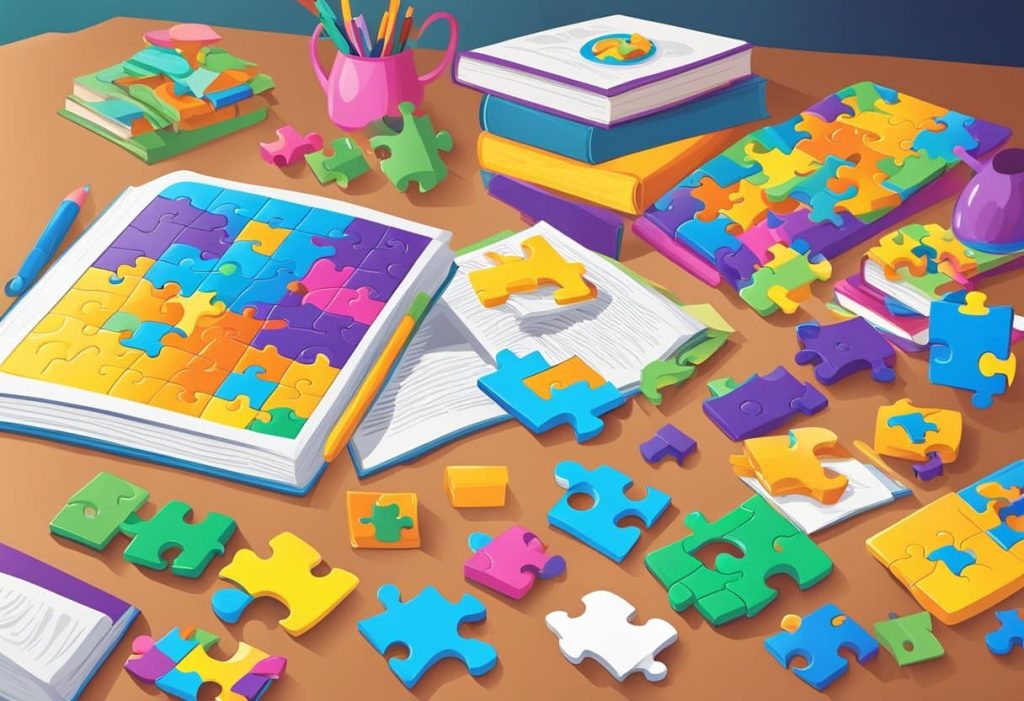
As brain teasers continue to gain popularity, educational institutions that embrace this approach not only enrich their lesson plans but also equip students with the skills necessary for real-world scenarios. The fusion of learning and play through brain teasers offers an engaging pathway to academic achievement and lifelong learning.
DISCOVER MORE: Click here to delve deeper
Strategic Integration of Brain Teasers in the Classroom
To harness the benefits of brain teasers in education, teachers must strategically integrate these tools into their daily lesson plans. This approach not only enhances student engagement but also creates a dynamic learning environment that promotes critical thinking and problem-solving. Implementing brain teasers can be achieved through various techniques that cater to diverse learning styles.
First and foremost, a dedicated time slot for brain teasers can be integrated into the classroom routine. This can be as simple as starting each day with a quick puzzle or riddle that students can solve as they settle in. Such practices can set a positive tone for the class, stimulating students’ minds and preparing them for the topics ahead. For example, a teacher might begin a math lesson with a math-based brain teaser that challenges students to apply their problem-solving skills right away.
Moreover, collaboration can play a crucial role in using brain teasers effectively. Teachers can group students to tackle puzzles together, encouraging communication and teamwork. This not only reinforces the learning objectives but also allows students to leverage each other’s strengths. Group activities can be designed around logic puzzles, where students must discuss and strategize to arrive at a consensus solution. Implementing peer learning experiences can further enhance understanding and retention of subject matter.
- Encourage Daily Brain Teasers: Incorporate a short puzzle at the beginning or end of each class to warm up or cool down students’ minds.
- Use Technology: Integrate digital platforms and educational apps that offer brain teasers tailored to your curriculum, making learning interactive.
- Incorporate Different Subjects: Use brain teasers across various subjects to show connections between different areas of study, fostering a more holistic understanding.
- Implement Competitions: Organize friendly competitions that involve brain teasers, enhancing motivation and engagement among students.
Furthermore, educators should consider differentiated instruction when presenting brain teasers. Tailoring the difficulty level of puzzles to suit varying abilities ensures that all students remain engaged and challenged. For instance, younger learners may benefit from more visual clues in puzzles, while older students can handle abstract logic tasks that require greater critical thinking skills. This practice not only aids in understanding but also fosters a sense of accomplishment across diverse learning abilities.
As teachers begin implementing brain teasers, continually assessing their effectiveness is key. Observations into how students respond to these activities can guide further refinement of strategies. Gathering feedback and encouraging student input on the types of puzzles they enjoy can lead to greater participation and enthusiasm, ultimately cultivating a classroom culture that celebrates curiosity and intellectual challenge.
In sum, incorporating brain teasers into educational frameworks not only enhances cognitive skills but also cultivates a vibrant classroom atmosphere. By embracing creativity, collaboration, and critical thinking through puzzles, teachers can prepare students not just for exams, but also for real-world problem-solving scenarios they will encounter beyond school.
Innovative Tools for Implementing Brain Teasers
Incorporating brain teasers into educational settings can be greatly enhanced by utilizing various innovative tools. These resources provide teachers with diverse methods to engage their students effectively. Here are some popular tools that can be readily adopted:
Digital Platforms
Many websites and mobile applications specifically designed for educational purposes offer a plethora of brain teasers. Platforms like BrainBashers and Quizlet feature interactive puzzles and challenges that not only keep students intrigued but also allow teachers to track students’ progress. Using digital platforms maximizes accessibility and can be integrated into any lesson plan.
Printable Worksheets
Another effective way to introduce brain teasers is through printable worksheets. Many educators appreciate the tactile experience of working with physical materials. Teachers can find numerous worksheets online that cater to different age groups and skill levels. These worksheets can be distributed as homework or used in the classroom for collaborative exercises, fostering teamwork among students.
Classroom Games
Incorporating brain teasers within classroom game formats can energize the learning environment. Games like Jeopardy and Escape Room challenges allow students to apply their problem-solving skills in a fun and competitive atmosphere. Such formats help develop critical thinking and adaptability, essential skills in today’s fast-paced world.
Interactive Group Activities
Group activities centered around brain teasers encourage peer interaction and camaraderie. Teachers can organize brainstorming sessions or team competitions that involve solving riddles or logic puzzles. This not only makes the learning process enjoyable but also fosters communication skills and collaborative problem-solving.
Visual Aids
Utilizing visual aids such as diagrams, charts, and infographics can further enhance the learning experience. Visual representations of brain teasers can help students who may struggle with abstract concepts grasp ideas more effectively. They can serve as excellent conversation starters and prompt deeper discussions among students.In conclusion, the incorporation of brain teasers into education can be done seamlessly through various innovative tools and strategies. By leveraging digital platforms, printable materials, interactive games, group activities, and visual aids, educators can create an engaging and enriching learning environment for their students.
DISCOVER MORE: Click here to uncover engaging memory-boosting strategies for kids
Innovative Methods for Engaging Students with Brain Teasers
Beyond traditional classroom settings, brain teasers can be creatively woven into various aspects of education to further enrich student experiences. One innovative method involves the incorporation of story-driven puzzles that align with the curriculum. For instance, teachers can create narratives around historical events or scientific concepts, embedding puzzles that require critical thinking to unlock the next part of the story. This not only piques students’ interest but also aids in retaining complex information through immersive engagement.
Moreover, integrating brain teasers into cross-curricular projects can be highly beneficial. Teachers can collaborate with colleagues from different subjects to design projects in which brain teasers play a critical role in discovery and learning. A science and art class could, for example, motivate students to solve engineering-related riddles to create sculptures that demonstrate their understanding of physics principles. Such collaborative approaches can foster a more cohesive learning experience and reinforce the interconnectedness of knowledge.
Another effective strategy is to leverage community engagement through brain teaser challenges. Schools can partner with local businesses or organizations to design contests that encourage students to apply their learning in real-world scenarios. Such challenges can include math-related scavenger hunts or logic puzzles that promote local history, thereby engaging the community while enhancing students’ understanding of their surroundings. This not only motivates students to think creatively but also builds a sense of community, underscoring the relevance of their education.
Utilizing Educational Technology
In the digital age, educational technology presents endless possibilities for incorporating brain teasers into learning. Online platforms and apps specifically designed for brain training can provide a diverse array of puzzles suitable for different age groups. Applications like Lumosity or BrainBashers offer numerous challenges that can be customized to students’ learning levels, making it easier for teachers to assign appropriate tasks.
Additionally, teachers can encourage students to create their own interactive brain teasers using tools like Google Slides or Socrative. This approach not only helps students understand the underlying principles behind each puzzle but also allows them to showcase creativity while reinforcing their learning objectives. When students design their own brain teasers, they actively engage with the material and develop a deeper understanding of the subject matter.
- Interactive Whiteboards: Make use of interactive boards during group activities to visually display puzzles, encouraging participation and collaboration in solving them.
- Gamify the Learning Process: Introduce gamification elements such as points or levels for puzzle-solving, creating a competitive yet fun atmosphere conducive to learning.
- Encourage Parental Involvement: Share brain teasers with students’ families to foster a collaborative learning experience at home, enhancing students’ problem-solving skills beyond classroom walls.
- Analyze & Reflect: Post puzzle-solving sessions, host discussions where students analyze their thought processes and learning outcomes to promote metacognition.
By exploring these innovative methods, teachers can effectively weave brain teasers into the educational fabric, fostering a culture of problem-solving and cooperative learning. With a well-rounded approach that includes storytelling, community engagement, and cutting-edge technology, students can cultivate a love for learning that transcends traditional educational boundaries.
DISCOVER MORE: Click here to dive deeper
Conclusion: Unlocking Potential Through Brain Teasers
Incorporating brain teasers into education presents a powerful avenue for enhancing student engagement and critical thinking. As educators increasingly recognize the value of these tools, innovative methods and creative strategies can transform the learning experience. From story-driven puzzles that captivate students’ imaginations to cross-curricular collaborations that reinforce interconnected knowledge, the possibilities are extensive. Furthermore, fostering community involvement through interactive challenges not only enhances learning but also builds a sense of belonging and relevance within students’ communities.
The integration of educational technology enriches this approach, allowing for personalized experiences that cater to varying learning levels. As students engage with platforms and tools to create their own brain teasers, they simultaneously deepen their understanding and demonstrate creativity. By leveraging interactive technologies, gamification, and collaboration with families, educators can cultivate an environment that nurtures problem-solving skills beyond the classroom.
Ultimately, the incorporation of brain teasers offers not just an engaging activity but a fundamental shift in how students approach learning. As they become adept at tackling complex challenges, they also develop the resilience and adaptability needed for success in an ever-evolving world. Embracing these methods within educational settings can inspire a lifelong passion for learning, demonstrating that education can—and should—be as enjoyable as it is enlightening. By investing in brain teasers, educators are equipping students with essential skills for the future, paving the way for a generation of critical thinkers and innovative problem solvers.