
How Logical Puzzles Can Inspire Innovations in Education and Learning

Unlocking Creativity Through Logic
As technology becomes a central component of education, traditional teaching methods often find it challenging to maintain student engagement. Enter logical puzzles, a captivating alternative that not only holds students’ attention but also cultivates critical thinking skills. By weaving these stimulating challenges into the curriculum, educators can spark innovation and creativity in their classrooms in ways that textbooks alone often cannot.
Benefits of Logical Puzzles in Education
The advantages of integrating logical puzzles extend far beyond mere entertainment. These brain-teasers are powerful tools that promote a range of cognitive skills pivotal for academic achievement and personal development. Here are some salient benefits:
- Enhanced problem-solving skills: Engaging with logical puzzles teaches students to tackle complex issues systematically. For instance, when faced with a series of riddles or mathematical conundrums, they learn to break down problems into manageable parts, leading to effective solutions.
- Increased engagement: Puzzles transform conventional learning into an interactive experience. For example, using a logic grid puzzle in a math class can shift students’ focus from rote memorization to active participation, making learning not only informative but enjoyable.
- Encouragement of teamwork: Many logical puzzles are designed for group collaboration, fostering communication and teamwork among peers. Such interactive environments improve social skills and allow students to learn from one another through discussions and shared problem-solving.
Moreover, intuitive and fun tasks enable students to experiment with various reasoning processes, which bolsters their understanding of core concepts. These activities not only solidify existing knowledge but also instill a lifelong love of learning. Studies conducted in schools that have incorporated logical puzzles into their teaching strategies indicate substantial enhancements in both student performance and enthusiasm for learning.
An Invitation to Explore
Diving deeper into the realm of logical puzzles reveals their potential to transform educational practices significantly. Educators can harness this innovative approach to create dynamic learning environments that inspire curiosity and critical thought. The possibilities are indeed vast, making it crucial for teachers, administrators, and curriculum designers to explore this intriguing intersection of puzzles and learning. The soaring popularity of academic competitions, such as math and logic contests, across the United States demonstrates a growing recognition of the value of these intellectual challenges. As we continue to investigate their impact, it becomes increasingly clear that logical puzzles can play a vital role in shaping the educational landscape for future generations.
DISCOVER MORE: Click here to find out how cognitive games aid rehabilitation
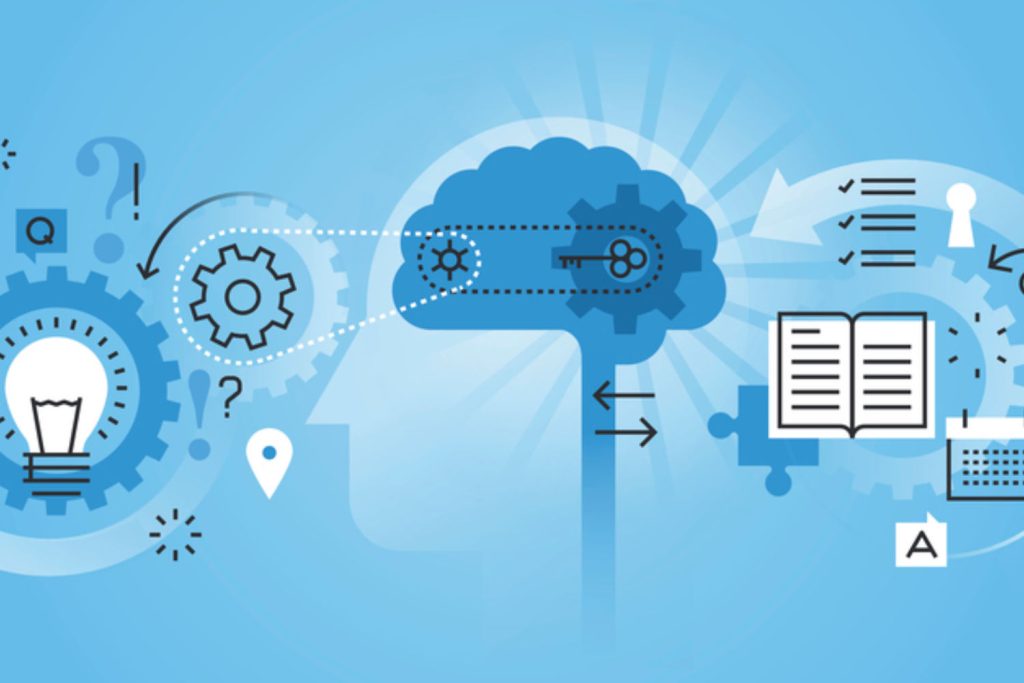
Transforming Learning Through Engaging Challenges
Incorporating logical puzzles into educational settings is not merely an addition; it is a transformative approach that can redefine the learning experience. This method engages students by challenging them to think critically, apply concepts, and solve real-world problems—all essential skills in today’s rapidly changing landscape. As educators seek to emphasize innovative teaching methods, logical puzzles offer a viable pathway for fostering deeper understanding and engagement.
Logical Puzzles as Catalysts for Innovation
Logical puzzles stimulate the mind and encourage learners to venture beyond conventional thought patterns. More than just a fun activity, these puzzles facilitate important educational innovations, such as:
- Interdisciplinary Connections: Logical puzzles often draw from various subjects, including mathematics, science, and language arts. This cross-disciplinary approach helps students make connections between different areas of study, leading to a holistic understanding of subject matter. For example, a puzzle that involves calculating the right dimensions for a new playground can integrate geometry and physics while also invoking teamwork and project planning skills.
- Real-World Applications: Many logical puzzles can be designed to mirror real-life scenarios, which enhances their relevance. A problem-solving task that revolves around budgeting for a class trip or navigating public transportation can spark meaningful discussions about financial literacy and critical thinking in everyday situations.
- Personalized Learning: Logical puzzles can be tailored to match varying student skill levels, allowing for individualized learning experiences. Educators can create tiered challenges that enable advanced learners to probe deeper while providing foundational puzzles for those who may need extra support. This adaptability ensures that every student remains engaged and challenged at their appropriate level.
Research highlights that students exposed to logical puzzles not only perform better academically but also exhibit improved emotional resiliency and perseverance. A study conducted by the National Math and Science Initiative revealed that classrooms integrating challenging puzzles recorded a 25% increase in standardized test scores, a significant statistic that underscores the potential of logical puzzles to drive educational success.
Encouraging Curiosity and Critical Thinking
As logical puzzles invite learners to decode complex problems, they simultaneously foster a culture of inquiry. Students become accustomed to asking questions, exploring multiple solutions, and embarking on a journey of discovery. By placing emphasis on the thought processes rather than just the answers, educators promote a growth mindset that encourages students to embrace challenges rather than shy away from them. This shift in focus from outcome to process is crucial in modern education, where adaptability and critical thinking are paramount.
Therefore, the integration of logical puzzles in educational settings marks an essential step towards igniting innovation in education. As teachers explore the many facets of these intriguing challenges, they will find that the potential for adapting learning environments to inspire curiosity and creativity is not only a possibility but a promising reality.
| Category | Description |
|---|---|
| Critical Thinking & Problem Solving | Logical puzzles challenge learners to enhance their critical thinking skills, promoting deeper cognitive engagement. |
| Creativity in Learning | By integrating logical puzzles, educators can foster creativity and encourage students to explore innovative solutions. |
The application of logical puzzles extends far beyond mere entertainment; they pave the way for revolutionary methods in education. When students engage with these challenges, they develop the ability to think outside the box, nurturing their problem-solving capabilities. This crucial skill not only prepares students for academic success but also equips them for future careers in an ever-evolving job market.Moreover, incorporating logical puzzles into curriculum design can enhance inventive thinking. As learners tackle complex scenarios, they are prompted to approach problems from multiple perspectives, igniting their innate creativity. This kind of engagement can lead to breakthroughs in learning methodologies, inspiring students to create their own paths rather than relying solely on traditional educational practices. Furthermore, educators who prioritize such innovative tools can significantly improve student motivation and retention, paving the way for a more dynamic and effective learning experience. By fostering an environment that encourages questioning and exploration, logical puzzles serve as a vital source of inspiration, shaping the future landscape of education.
DISCOVER MORE: Click here to enhance your mental skills
Fostering Collaboration and Team Dynamics
The integration of logical puzzles in education not only benefits individual learning but also cultivates a collaborative environment that enhances teamwork among students. Completing challenges as a group fosters communication and relational skills, which are increasingly valuable in both academic and professional contexts. Through collaborative problem-solving, students learn to navigate diverse perspectives, negotiate solutions, and share responsibilities—skills that are critical in today’s interconnected world.
Learning Through Cooperation
Logical puzzles serve as effective tools for group learning experiences. Teachers can design team-based puzzles that require students to leverage collective strengths to arrive at a solution. For instance, a puzzle that simulates a community crisis—like planning a response to a natural disaster—encourages students to brainstorm ideas, allocate roles based on individual skills, and communicate effectively under pressure. Such collaborative activities not only enrich the learning process but also help students develop important soft skills, including empathy, adaptability, and leadership.
In a real-world context, the benefits of teamwork cultivated through logical puzzles are evident. A report from the World Economic Forum lists critical thinking and collaboration among the top skills required for future employment. By tackling logical puzzles together, students are essentially rehearsing these necessary skills in a safe environment, preparing them for the challenges they will face in their careers.
Gamification and Motivation
In addition to promoting teamwork, logical puzzles can leverage the principles of gamification to elevate student motivation. For many learners, traditional educational methods may feel uninspiring or monotonous. However, incorporating engaging puzzles and challenges into the curriculum can turn learning into an interactive and enjoyable experience. The satisfaction of solving a complex riddle or challenge can create a rewarding momentum that encourages students to tackle even more challenging puzzles.
For example, schools can implement a puzzle-based learning series that rewards students for their achievements, creating a sense of friendly competition. This gamified approach has shown promise in driving higher levels of engagement among students, reflecting findings from a study published in the International Journal of Education Research. The study revealed that classrooms utilizing gamified learning strategies reported a 43% increase in student engagement levels.
Integrating Technology into Logical Puzzles
The digital landscape presents additional opportunities for the application of logical puzzles in education. With the rise of educational technology, teachers can design interactive, tech-based puzzles that enhance learning experiences. Online platforms and applications embedded with logical challenges can provide instant feedback, enabling students to learn from their mistakes while progressing at their own pace.
Consider tablet-based games that incorporate logical reasoning, where students can collaborate in real-time to solve puzzles. Such applications also allow educators to track student progress and adapt puzzles accordingly, ensuring that each student receives challenges tailored to their skill level. These digitally enhanced logical puzzles not only support learning objectives but also resonate with technologically savvy students who thrive in interactive environments.
Given the rapid advancements in technology and the significant roll that collaboration plays in education, there is both an imperative and an opportunity for education systems to embrace logical puzzles as a cornerstone for innovation. As such tools continue to evolve, they have the potential to be at the forefront of a new wave of learning strategies that prepare students for the complexities of a modern workforce.
DISCOVER MORE: Click here to delve into the evolution of puzzle challenges
Conclusion
In summary, the integration of logical puzzles into educational practices not only enhances critical thinking but also fosters essential skills such as collaboration, communication, and motivation among students. As the educational landscape evolves, the incorporation of these engaging challenges allows learners to explore complex problem-solving while preparing them for future employment opportunities. By emphasizing gamification and the use of technology, educators can transform traditional learning environments into dynamic spaces that stimulate curiosity and drive engagement.
Furthermore, the benefits extend beyond the classroom walls; they prepare students to navigate an increasingly competitive and interconnected world. Logical puzzles empower students to work together in teams, enhancing their ability to communicate diverse perspectives and adapt to varying situations. Such interactions are vital in cultivating a workforce equipped with the critical thinking and collaborative skills that employers highly value.
As education systems across the United States and beyond seek innovative solutions to engage learners, it is clear that logical puzzles can play a pivotal role. Embracing this approach will not only inspire creativity in education but also pave the way for more effective, future-ready learning experiences. Therefore, it is imperative for educators, administrators, and policymakers to explore and invest in the potential of logical puzzles as transformative tools for fostering a new generation of thinkers and innovators.