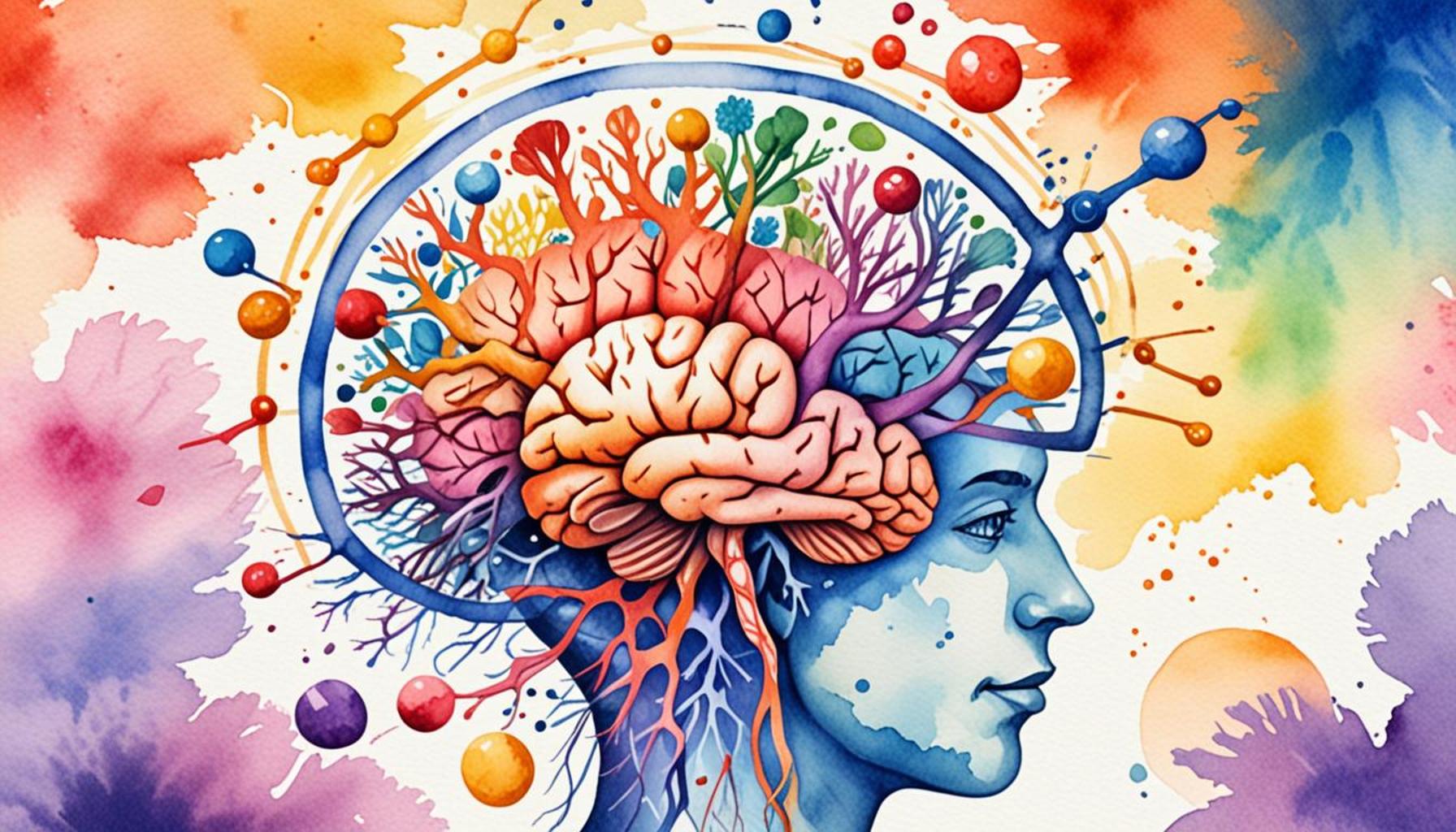
Exploring the Role of Cognitive Games in Preventing Dementia: Evidence and Strategies

The Importance of Cognitive Games in Aging Populations
The prevalence of dementia, particularly among the aging population, poses significant challenges not only for families but also for healthcare systems. As more people reach older age, the need to find effective strategies to mitigate cognitive decline becomes increasingly urgent. In response, there is a growing interest in cognitive games as potential preventive measures. Engaging in stimulating activities can provide unique ways to exercise the brain, potentially bolstering mental resilience and cognitive function.
Research indicates that cognitive games may play a vital role in reducing the risk of dementia. These games offer numerous benefits that can be particularly advantageous for older adults:
- Improving memory and recall abilities, essential for day-to-day functioning.
- Enhancing problem-solving and critical thinking skills, which can promote mental agility.
- Increasing social interaction when played in group settings, helping to stave off feelings of isolation that can accompany aging.
Moreover, cognitive games extend beyond traditional board games or puzzles, encompassing a wide array of options that cater to diverse interests and skill sets. Some promising examples include:
- Online brain-training apps such as Lumosity and Peak, which offer tailored exercises that adapt to the user’s performance over time.
- Memory games that challenge users to recall patterns or sequences, often presented in a visually engaging format to boost motivation.
- Strategy games like chess, which require foresight, planning, and the ability to adapt to opponents’ moves, thereby enhancing cognitive flexibility.
As we delve deeper into the science surrounding these games, it becomes crucial to understand their effectiveness in combating dementia. Numerous studies highlight that regular engagement in cognitive activities correlates with a lower incidence of cognitive decline. For instance, a study published in the journal *Neurology* found that older adults who played mentally stimulating games had a significant delay in developing dementia compared to those who did not participate in such activities.
In conclusion, integrating cognitive games into the daily routines of individuals, particularly in the United States, offers a proactive approach to maintaining mental health as one ages. Grocery stores, community centers, and senior living facilities are beginning to recognize the importance of these games by hosting group activities and workshops aimed at teaching older adults how to utilize these tools effectively. By employing both traditional and modern cognitive games, families and individuals can foster an environment that encourages lifelong learning and connection, ultimately contributing to a healthier, more engaged aging process.
DISCOVER MORE: Click here to learn about fun memory-boosting games for kids
Cognitive Games: A Closer Look at Their Benefits
The potential of cognitive games as a preventative measure against dementia is gaining traction among researchers and healthcare professionals alike. Understanding how these games affect brain health is essential for older adults and their caregivers. The key lies in the ability of these games to challenge cognitive processes, ultimately supporting psychological well-being and preserving mental acuity.
At the core of cognitive engagement are several observed benefits. Various studies highlight how specific types of cognitive games target different aspects of cognitive function:
- Memory Enhancement: Engaging in memory-based games can help reinforce neural connections, promoting a stronger recall ability. Research conducted by the University of California found that older adults who participated in regular memory exercises improved their overall memory performance significantly.
- Attention and Focus: Games that require quick decision-making and sustained attention—such as card games or word puzzles—can increase an individual’s ability to concentrate. This is particularly beneficial in combatting the distractibility often seen in early dementia.
- Emotional Resilience: Cognitive games not only stimulate the mind but can also enhance mood and emotional health. Studies show that individuals who play socially can experience reduced feelings of loneliness and depression, factors that contribute to cognitive decline.
Furthermore, studies emphasize the importance of variety in cognitive games. Engaging in different types of games can provide a well-rounded workout for the brain, ensuring that various cognitive abilities are addressed. For example, crossword puzzles improve vocabulary and linguistic skills, while logic games stimulate analytical thinking. The diversity of cognitive activities keeps the brain engaged and can even make learning enjoyable, which is vital for sustained participation.
It is also essential to recognize the role of technology in modern cognitive gaming. As the popularity of digital platforms grows, online cognitive exercises have gained significant attention. Many of these apps employ adaptive algorithms that personalize challenges based on the user’s performance, keeping the experience fresh and engaging. A systematic review published in the *Journal of Aging Research* demonstrated that participants in these apps showed notable improvements in cognitive function over time, showcasing the tangible benefits of technology-enhanced cognitive gaming.
Interestingly, a specific age-related factor impacts the efficacy of these games. Research indicates that the earlier an individual begins incorporating cognitive games into their routine, the better the long-term cognitive outcomes may be. A study in *Alzheimer’s & Dementia* found that individuals in their 60s who played cognitive games regularly had a significantly lower risk of developing dementia compared to those who began later in life.
Ultimately, the integration of cognitive games into daily routines holds promise for those looking to maintain their mental health as they age. Whether through solo play or social interaction in group settings, these activities are becoming more accessible, with libraries, community centers, and online platforms offering various resources to support older adults in their cognitive journeys. As we further explore the evidence supporting cognitive games, it becomes evident that they are not just pastimes but essential tools for promoting cognitive longevity.
Benefits of Cognitive Games in Dementia Prevention
Cognitive games, often viewed simply as entertainment, possess the potential to be powerful tools in the prevention of dementia. Research has shown that engaging in these mentally stimulating activities can bolster brain health and cognitive resilience. By harnessing the advantages of cognitive games, individuals can significantly enhance their mental acuity and potentially delay the onset or progression of dementia.
| Advantage | Impact on Brain Health |
|---|---|
| Enhanced Memory | Cognitive games challenge users to recall information, improving short-term and long-term memory. |
| Increased Focus | Regular engagement in cognitive tasks has shown to enhance concentration and attention span, vital for daily function. |
The relationship between cognitive stimulation through games and brain function is underpinned by neuroplasticity—the brain’s ability to adapt and reorganize itself. As individuals engage in problem-solving and strategy-based games, their brains are effectively ‘exercised’, which may help stave off cognitive decline. Additionally, social aspects of games can promote emotional well-being, thereby addressing mental health factors associated with dementia. The combination of mental exercise and social interaction not only aids cognitive function but also cultivates a sense of purpose and connection, which are crucial in enhancing quality of life for seniors.Individuals interested in reducing their risk of dementia should consider incorporating cognitive games into their daily routines. Whether through puzzles, memory games, or online brain training platforms, these activities are more than mere diversions; they represent a proactive approach towards maintaining mental health and vitality. Exploring various games tailored to different levels of ability can make this practice enjoyable and ultimately beneficial, paving the way for a healthier cognitive future.
DIVE DEEPER: Click here to unlock critical thinking strategies
Cognitive Games: Techniques to Enhance Engagement and Social Interaction
As the landscape of cognitive games expands, so too does our understanding of the strategies that amplify their benefits, particularly in relation to social interaction and engagement. The interplay between cognitive stimulation and social connectivity plays a critical role in fortifying against dementia, which makes the communal aspect of these games equally important.
Recent investigations illustrate that socially-oriented cognitive games, such as board games and group trivia, create environments conducive to interaction among players. This social interaction can combat feelings of isolation that often accompany aging. A study from the University of Michigan highlighted that older adults participating in group gaming activities reported lower incidences of loneliness and a higher quality of life overall. By fostering connections among players, cognitive games do not just challenge the mind; they also nurture emotional support systems essential for mental health.
Beyond traditional multiplayer formats, platforms that facilitate virtual gaming have emerged as powerful tools in the fight against dementia. For example, online games allow individuals to engage with friends and family across geographical boundaries, building a sense of community even among those who may be homebound. In a recent survey conducted by AARP, nearly 40% of older adults reported that playing games online with others made them feel more connected to their loved ones. This indicates that, beyond the cognitive benefits, the connections created through gaming can have profound implications for emotional and psychological well-being.
Moreover, gamification elements—the incorporation of game design principles into non-game contexts—can significantly enhance the appeal of cognitive exercises. For instance, utilizing point systems, achievement badges, and leaderboards can motivate older adults to engage in regular cognitive activities. A study appearing in the *Gerontology and Geriatric Medicine* journal demonstrates that participants who experienced gamified cognitive training had higher engagement levels and sustained interest compared to traditional formats. This approach may lead to increased frequency in participation, which is key in realizing the long-term benefits of cognitive games.
Another strategy gaining traction is the use of cognitive games tailored to specific interests and backgrounds of players. Personalization not only makes gameplay more enjoyable but can also increase the likelihood that seniors will continue participating. For instance, a retiree who was a tennis coach may find a cognitive app that uses sports-related scenarios more appealing, thus enhancing recall and learning in a familiar context. Tailored games can improve motivation and engagement levels, yielding positive outcomes in cognitive performance.
Additionally, some evidence suggests that incorporating elements of physical activity within cognitive games can maximize brain health benefits. Activities that involve both physical movement and cognitive challenges, such as dance-based games or interactive fitness apps, appear to integrate the benefits of physical exercise with cognitive function enhancement. A systematic review published in *Frontiers in Aging Neuroscience* indicates that participating in activities combining these elements can contribute to maintaining cognitive health and reducing the risk of dementia.
Ultimately, the future of cognitive games lies in the thoughtful integration of these innovative strategies. Activating social ties, embracing technology, and personalizing gameplay are all directions leading toward enhanced efficacy in preventing cognitive decline. As the evidence grows, empowering older adults to proactively include cognitive games within their lives appears to be a promising avenue for maintaining mental vigor. The exploration of these multifaceted strategies continues to reveal valuable insights into how we can safeguard brain health well into our golden years.
DIVE DEEPER: Click here for brain-teasing riddles
Conclusion: Embracing the Power of Cognitive Games
As we delve deeper into the relationship between cognitive games and dementia prevention, it becomes increasingly clear that these engaging activities offer a multifaceted approach to maintaining brain health. The amalgamation of cognitive stimulation, social interaction, personal interest, and even physical engagement creates a robust framework for enhancing mental acuity among older adults. Studies underscore that not only do these games sharpen cognitive skills, but they also help in forging and reinforcing social bonds, thereby combatting isolation and enhancing quality of life.
While the landscape of cognitive gaming continues to evolve, the rising trend of virtual platforms and tailored experiences serves to expand accessibility and inclusivity for individuals, irrespective of location or physical limitations. This flexibility allows older adults to connect with family members and peer groups, nurturing social engagement that is vital for emotional wellbeing. Furthermore, integrating gamification techniques appears to increase participation rates, ultimately yielding sustained cognitive benefits.
As we move forward, it is crucial for caregivers, families, and healthcare professionals to promote and support participation in these activities. Educators and innovators must continue to explore new strategies that can amplify the effectiveness of cognitive games, paving the way for future research and development. Given their potential to significantly impact dementia prevention and improve the lives of older adults, incorporating cognitive games into daily routines emerges as not just beneficial, but essential.
In summary, cognitive games represent a promising frontier in the ongoing effort to safeguard our mental health as we age. By embracing technology, catalyzing social ties, and personalizing experiences, we can harness the power of play to ensure that golden years remain vibrant and engaging.