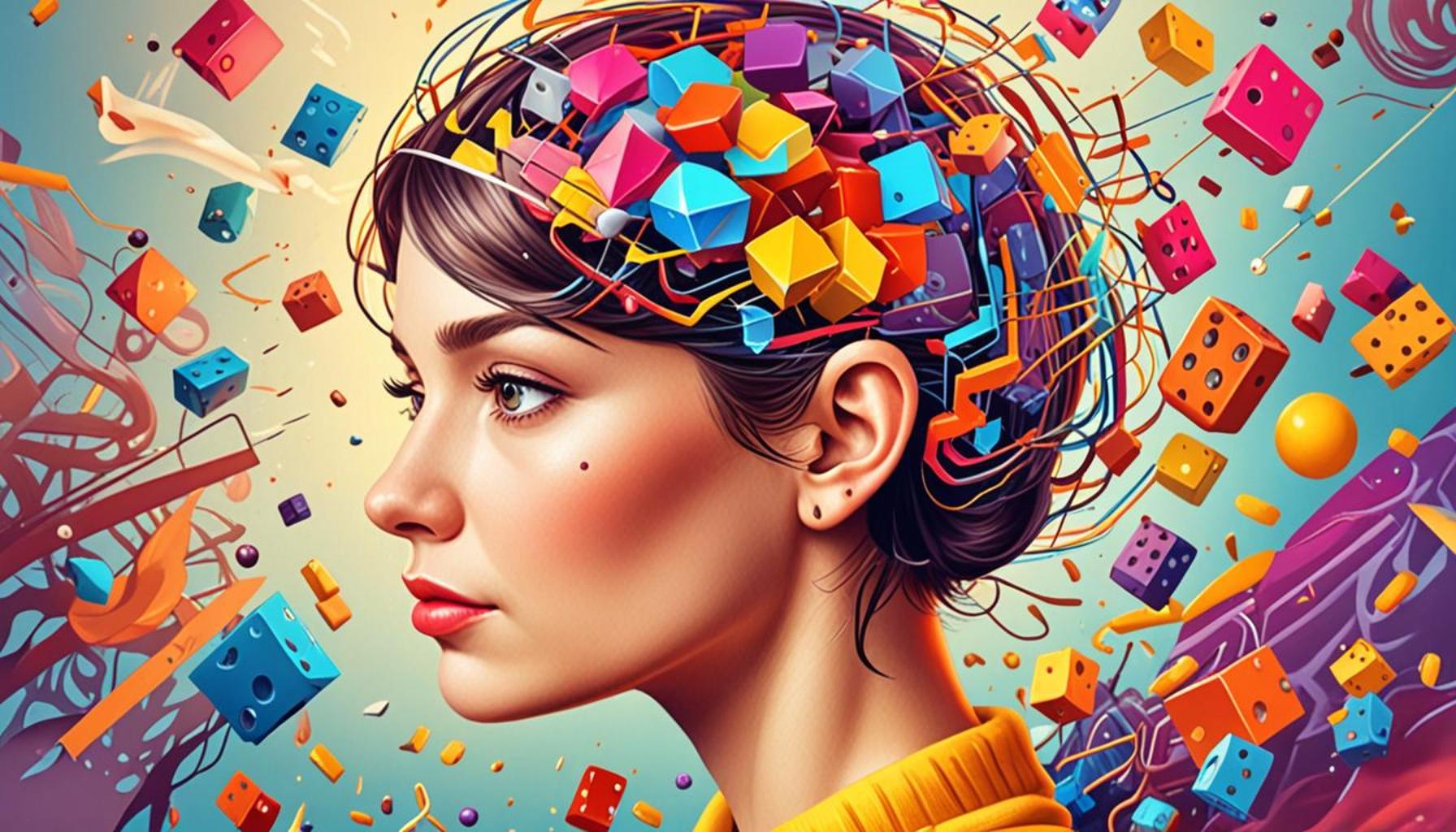
Cognitive Games for Enhancing Emotional Intelligence: Building Resilience and Empathy Through Play

The Importance of Emotional Intelligence in Modern Society
In an increasingly chaotic and interconnected world, the ability to understand and manage emotions—both one’s own and those of others—has become essential for success in various aspects of life. This ability is encapsulated in the concept of emotional intelligence, which not only plays a pivotal role in personal relationships but also significantly impacts professional interactions. By honing emotional intelligence, individuals can cultivate empathy, enhance resilience, and improve overall well-being.
The Role of Cognitive Games
One innovative method of enhancing emotional intelligence lies in the use of cognitive games. These engaging activities not only entertain but also challenge our minds, helping us develop critical emotional skills. When we engage in cognitive games—ranging from strategy-based board games to immersive video games—we’re not merely passing time; we are actively participating in exercises that bolster our emotional and cognitive capabilities.
- Improving problem-solving skills – Encountering and overcoming challenging scenarios in games compels players to think critically and develop strategies, which translates to better decision-making in real life.
- Fostering teamwork – Many cognitive games are designed for multiple players, necessitating collaboration and communication, thus enhancing interpersonal relationships and promoting a sense of community.
- Encouraging mindfulness – Engaging in games requires concentration and awareness of both the game environment and one’s emotions. This practice fosters mindfulness, helping to reduce stress and improve emotional regulation.
Emotional Intelligence Skills Cultivated by Games
Research indicates a strong correlation between playing cognitive games and the enhancement of emotional intelligence. For instance, games that encourage role-playing or narrative exploration allow players to enact different roles, thereby improving their understanding of various emotional states. This in turn nurtures key competencies of emotional intelligence:
- Self-awareness – Gaining insights into one’s emotional responses during gameplay lays the foundation for better emotional management. A player who recognizes frustration in a high-stakes situation can learn to approach similar real-life stressors with greater calm.
- Empathy – Role-playing scenarios in games encourages players to step into others’ shoes, fostering a deeper understanding and appreciation of diverse perspectives, a skill crucial in both personal and professional realms.
- Resilience – The challenges faced in gameplay mirror obstacles in life, teaching players how to confront adversity with perseverance. Overcoming failures in a game can instill a sense of achievement and a growth mindset.
Conclusion: Shaping an Emotionally Intelligent Society
As we delve deeper into the realm of cognitive games, it becomes evident that these activities serve a significant purpose beyond entertainment. They play a vital role in shaping a more emotionally intelligent society. By recognizing the power of play, individuals can unlock essential emotional skills, reinforcing the idea that learning can be both enjoyable and transformative. Whether you’re seeking personal growth or improving your interactions in professional settings, leveraging cognitive games is a practical and enjoyable strategy worth exploring.
DISCOVER MORE: Click here to enhance your cognitive skills
Unleashing Emotional Intelligence Through Play
The benefits of cognitive games extend far beyond simple entertainment; they serve as a powerful vehicle for fostering critical emotional intelligence skills. In the fast-paced environment of modern life, where emotional resilience and empathy are continuously tested, integrating such engaging activities can be an effective way to nurture these essential attributes. By immersing oneself in the virtual and imaginative worlds of cognitive games, individuals find an opportunity to push personal boundaries while simultaneously developing the skills needed to adapt and thrive.
Understanding the Mechanics of Emotional Development
Cognitive games are uniquely designed to create scenarios that challenge players, ultimately enhancing their emotional adaptability and interpersonal skills. By simulating various social situations, these games provide a safe space for players to explore emotions and reactions. The mechanics behind these interactions are pivotal for emotional growth:
- Simulation of Social Interactions – Games that present players with diverse characters and narratives often simulate real-world interactions. This experience can provide insight into emotional dynamics and foster a greater understanding of how emotions affect behavior.
- Real-time Feedback – Players frequently receive immediate feedback based on their choices and actions within a game. This instantaneous reflection enables individuals to analyze their emotional responses, reinforcing the connection between emotions and behaviors.
- Conflict Resolution – Many cognitive games are built around problem-solving and conflict scenarios that require players to make decisions under pressure. This aspect encourages players to develop resilience, learning how to cope and adapt in challenging situations.
The Power of Connection and Storytelling
Cognitive games often incorporate narratives that resonate emotionally with players, reinforcing the idea that stories hold the power to enhance empathy. Through engaging with well-developed storylines, players can connect to characters on a deeper level, which can promote an understanding of distinct emotional experiences. The following elements are key to reinforcing connection through gaming:
- Character Development – Witnessing character growth and emotional challenges allows players to reflect on their growth and struggles, fostering empathy towards others in real life.
- Decision-Making Consequences – Games that present moral dilemmas require players to think critically about the outcomes of their choices, sharpening their emotional insights and encouraging them to consider the effects of their actions on others.
- Group Dynamics – Multiplayer options often highlight the importance of cooperation and communication. Players learn to navigate complex social situations and differences, important facets of emotional intelligence.
As players immerse themselves in these dynamic environments, they not only gain a greater understanding of their emotions but also acquire the tools necessary for enhanced emotional intelligence. Through the unique blend of play and emotional exploration, cognitive games provide an innovative method for building resilience and empathy, vital for personal and societal success.
| Advantages | Description |
|---|---|
| Enhanced Self-Awareness | Cognitive games foster self-reflection, helping players recognize their emotions and responses in various scenarios. |
| Empathy Development | Through role-playing aspects of these games, players learn to understand and share the feelings of others, improving interpersonal connections. |
Cognitive games serve as powerful tools for cultivating emotional intelligence. The first advantage is enhanced self-awareness. By engaging in various game scenarios, players confront their own feelings, allowing a deeper understanding of their emotional patterns. This practice can lead to greater control over reactions in real-life situations, promoting emotional regulation.The second advantage lies in empathy development. These games often encourage players to step into another person’s shoes, which can be pivotal for improving social interactions and building stronger relationships. Players learn to detect non-verbal cues and express compassion, making them more adept at navigating complex emotional landscapes. When individuals develop these skills through play, they are better equipped to face life’s challenges, enhancing their resilience. Thus, the benefits of incorporating cognitive games extend far beyond mere entertainment; they provide a robust foundation for personal and social growth.
DISCOVER MORE: Click here to learn about the benefits of memory games
Expanding Emotional Horizons: The Impact of Cognitive Games
The influence of cognitive games extends into various facets of emotional intelligence, offering a comprehensive toolkit for individuals eager to enhance their emotional skills. By employing strategic gameplay, players become proficient in recognizing emotions both in themselves and in others, thus fostering a greater sense of emotional awareness. As the gaming landscape expands, new studies and insights reveal how these games are shaping social competencies essential for thriving in today’s intertwined society.
Enhancing Self-Awareness Through Gameplay
One of the cornerstones of emotional intelligence is self-awareness, and cognitive games offer a compelling avenue for development. In many of these games, players are prompted to evaluate their feelings and reactions amidst diverse scenarios. This promotes a detailed understanding of one’s emotional landscape:
- Character Reflections – Games that require players to implement vocal strategies or in-game journaling allow them to articulate their thoughts and emotions. By reflecting on their character’s emotional journeys, players can examine their feelings from a third-party perspective, enhancing self-awareness.
- Emotion Recognition Activities – Certain cognitive games strategically introduce characters displaying varying emotions, compelling players to identify and respond to those emotions. This practice sharpens the ability to recognize not just one’s own emotions but also those of others in daily interactions.
Mastering Empathy Through Virtual Relationships
Incorporating storytelling elements and character-driven narratives, cognitive games immerse players in complex emotional landscapes where empathy is essential. The depth of connection achieved through virtual relationships can lay the foundation for understanding genuine emotional experiences:
- Role Play and Perspective Taking – Many games encourage players to step into the shoes of their characters, experiencing the world through their perspective. This role-playing aspect is not only entertaining but also enhances empathic abilities by allowing players to feel the weight of different emotional scenarios.
- Building Trust within Communities – Multiplayer games foster camaraderie, demonstrating the importance of trust in relationships. Players must learn to communicate effectively and collaborate, effectively building their empathetic capacities as they engage in joint problem-solving.
The Science Behind Play: Psychological Insights
Research has begun to unveil the psychological impact of cognitive games on emotional intelligence. According to a study published in the journal ‘Frontiers in Psychology’, individuals who regularly engage in these games showcase higher levels of empathy and social skills. The scientists found that:
- Regular Gameplay Eases Stress Responses – Players demonstrated reduced stress and anxiety levels, revealing that engaging in cognitive games can help individuals manage emotions during challenging times.
- Enhanced Emotional Communication – Participants who played narrative-rich games reported improved emotional vocabulary, which correlates with better emotional expression and understanding in real-life interactions.
As more studies surface, it becomes evident that cognitive games not only serve as a source of enjoyment but also as essential tools for emotional development. The synergy between play, emotional exploration, and psychological insight creates a powerful platform for individuals to cultivate resilience and empathy, leading to personal growth and deeper connections within society.
DIVE DEEPER: Click here to learn more about the role of cognitive games</p
Conclusion: The Transformative Power of Play
Cognitive games stand at the intersection of enjoyment and emotional growth, providing innovative solutions for enhancing emotional intelligence. By engaging in gameplay that focuses on self-awareness and empathy, players embark on a journey of personal discovery and social understanding that extends beyond the screen. The findings from psychological studies underscore the tangible benefits of these games, which not only stimulate the mind but also nurture emotional resilience.
As individuals immerse themselves in diverse virtual scenarios, they practice recognizing and managing emotions—crucial skills for navigating the complexities of modern relationships. The mechanics of these games encourage players to reflect on their emotional responses while fostering a deeper connection to others, highlighting the importance of empathy in building trust within communities. More than just entertainment, cognitive games present a unique opportunity for players to cultivate a rich emotional landscape, which can have far-reaching implications for their personal and professional lives.
A comprehensive engagement with cognitive games can set the foundation for enhanced emotional skills that contribute to well-being and interpersonal effectiveness. In an age where mental health is paramount, leveraging gaming as a tool for emotional development is not just a playful approach but a necessary shift towards resilience and empathy. For those eager to enhance their emotional intelligence through play, the world of cognitive games awaits—ready to unlock the potential for growth and understanding that lies within.