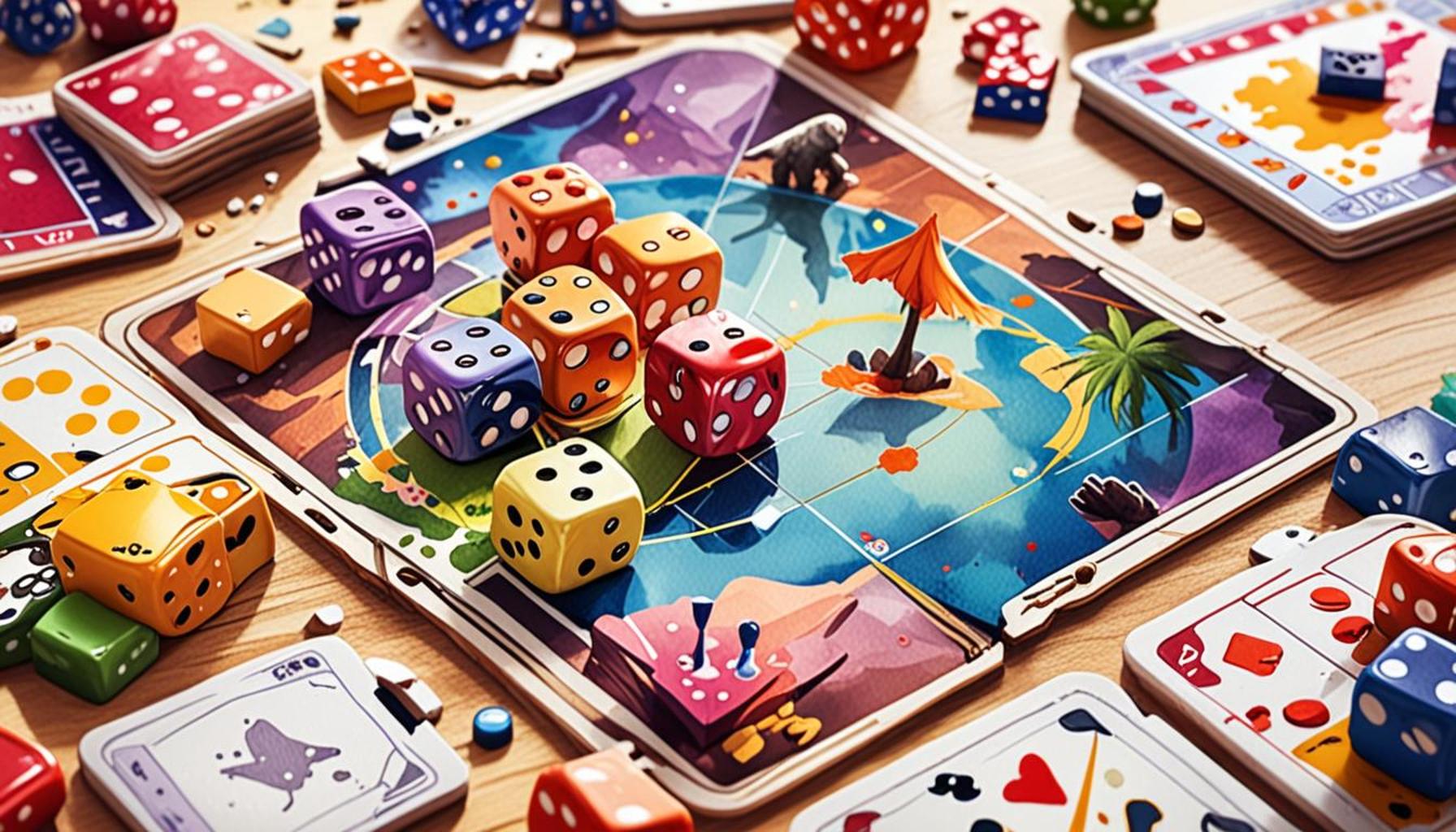
Cognitive Games Boost Memory Development in Adults
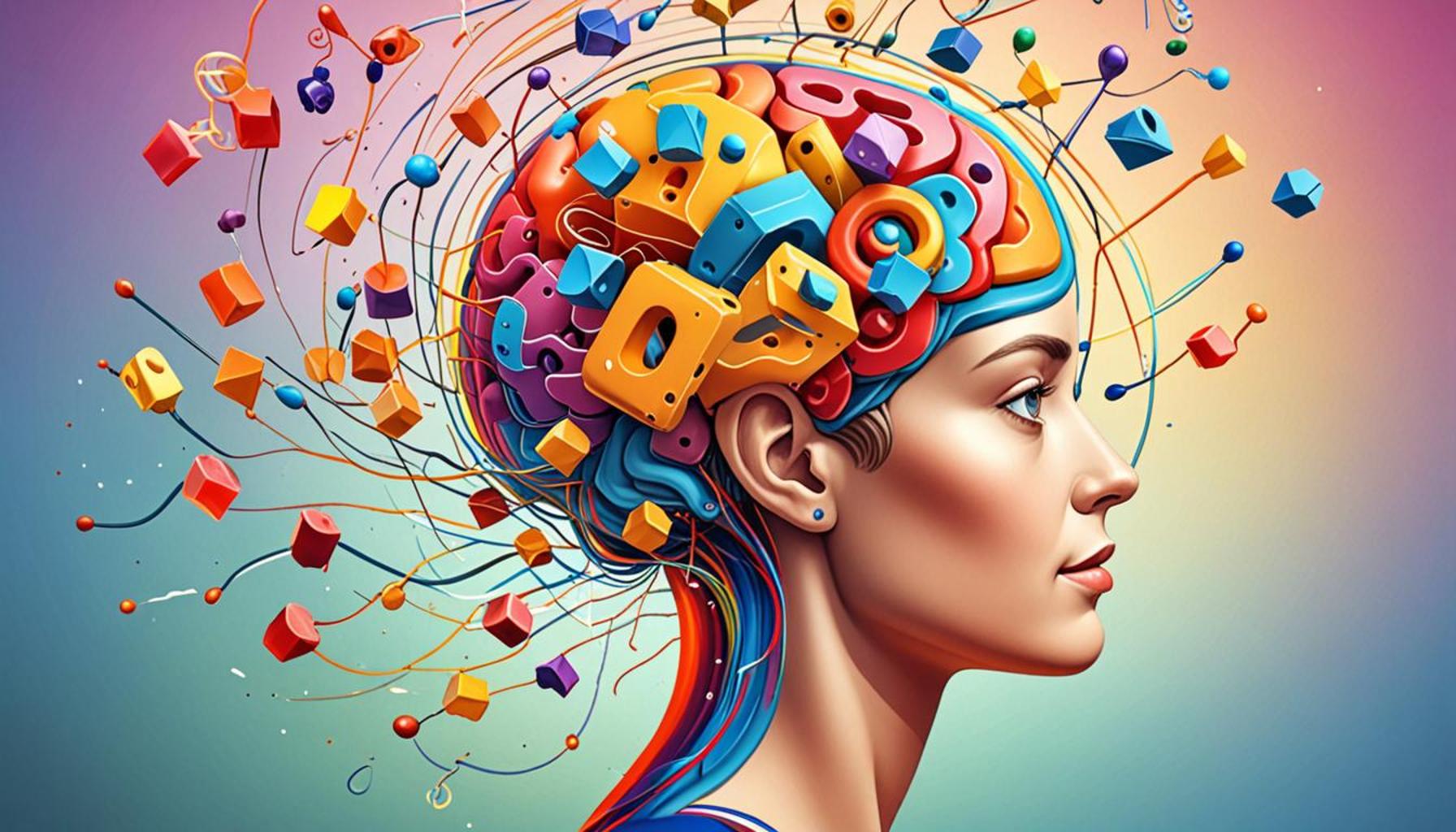
Unlocking Mental Potential
The world of cognitive games and puzzles is rapidly gaining recognition for its remarkable ability to enhance mental agility. As adults navigate their busy lives, the importance of maintaining a sharp memory becomes increasingly evident. Engaging with these mind games offers not only entertainment but also a practical way to boost cognitive function and memory retention.
Why Are Cognitive Games Important?
- Stimulate Brain Activity: These games encourage critical thinking and problem-solving.
- Improve Memory: Regular puzzles can lead to significant memory enhancement.
- Combat Cognitive Decline: They may help reduce the risks associated with age-related memory loss.
This article will delve into the captivating influence of cognitive games on memory development, offering insights and a curated list of the Top 5 games that can effectively challenge the mind and sharpen memory skills. Prepare to discover invaluable resources that not only entertain but also empower the brain.
DISCOVER MORE: Click here for personalized challenge tips
The Influence of Cognitive Games on Memory Development in Adults
In the ever-evolving landscape of modern society, adults face a myriad of new demands and challenges that can strain cognitive abilities, particularly memory. With the rise of digital technology, cognitive games have emerged as valuable tools, offering not only entertainment but also effective methods for engaging and enhancing mental faculties. This article delves into the five principal facets of cognitive games’ influence on memory development in adults, arranged from least to most impactful.
5. Fostering Critical Thinking
While cognitive games are renowned for their memory-enhancing potential, their role in advancing critical thinking is equally significant. Engaging with complex puzzles or strategy-based games compels adults to evaluate situations and make decisions based on finite information. This reasoning process is instrumental in enhancing memory, as it fosters multiple associations and connections among ideas and data.

Consider games such as:
- Chess
- Sudoku
- Scrabble
- Strategic board games like Settlers of Catan
Each of these games requires players to anticipate potential outcomes and strategize effectively, promoting a methodical thought process that reinforces neural pathways. For instance, Chess demands foresight and strategy, which cultivates a disciplined approach to solving problems, enhancing both cognitive flexibility and retention of new information.
4. Enhancing Attention and Focus
The ability to concentrate and focus is pivotal for effective memory retention. Cognitive games that necessitate sustained concentration, such as card games or associative puzzles, are particularly adept at honing these skills. Through regular engagement in these mentally demanding activities, adults become more adept at retaining information over time.
The correlation between attention, focus, and memory is strong; by participating in activities that necessitate intense focus, individuals train their brains to better manage and retrieve information. This can lead to improvements in everyday tasks, whether remembering a colleague’s name, a grocery list, or a series of instructions.
3. Boosting Short-Term Memory
The relationship between cognitive games and short-term memory enhancement is well-documented. Interactive games that place individuals in scenarios requiring rapid information retention and retrieval—such as memory games and quizzes—have an immediate positive impact on these cognitive functions. Research indicates that consistent practice can not only bolster short-term memory but also slow the natural cognitive decline associated with aging.
These improvements are often evident in daily activities, as adults who regularly engage in such games report enhanced performance in tasks that require quick memory recall, such as remembering directions or sequences of numbers. The timely engagement and mental agility required in these games reinforce mental processes crucial for daily cognitive tasks.
2. Stimulating Neuroplasticity
Neuroplasticity, or the brain’s ability to reorganize itself by forming new neural connections, is a crucial component of lifelong cognitive development. Cognitive games stimulate neuroplasticity by challenging the brain to adapt to new routines and strategies. These games compel the mind to establish new neural pathways, which is essential for ongoing cognitive health.
Regular participation in cognitive gaming is not merely beneficial for memory improvement; it serves as a preventive measure against neurodegenerative diseases, such as Alzheimer’s. Games that exert such influence include:
- Logic-challenging puzzles
- Crossword puzzles
- Apps like Lumosity and Elevate
These activities demand versatile thinking and problem-solving, fostering an adaptive brain environment. By consistently challenging cognitive limits, adults promote greater mental agility and resilience, which are foundational in combating cognitive decline.
1. Strengthening Long-Term Memory
Lastly, but most importantly, the profound influence of cognitive games is on long-term memory. Games that encourage repetition and memory practice significantly improve the likelihood of retaining information over extended periods. Repetition and practice are vital for the successful transfer of information into long-term memory, where it can be readily accessed as needed.
Studies highlight that individuals who frequently engage with cognitive games tend to possess a sturdier memory, positively impacting their professional and social lives. At work, this might translate to better task management and recall during meetings. Socially, it enhances interactions, bolstering relationships through improved conversational recall.
In conclusion, cognitive games offer far more than mere entertainment; they provide a powerful means of maintaining and enhancing our cognitive capabilities and memory throughout our lives. Through regular and varied engagement, adults can harness the benefits of these games to navigate the complexity of modern life with greater mental acuity and resilience.
| Category | Details |
|---|---|
| Enhanced Problem-Solving Skills | Cognitive games challenge players with complex scenarios requiring strategic thinking, leading to improved problem-solving capabilities. |
| Memory Retention | Engaging regularly in cognitive games has shown positive effects on memory retention, as they stimulate the brain’s neural pathways. |
| Social Interaction | Playing cognitive games often involves interacting with others, which can enhance social skills while simultaneously improving cognitive functions. |
| Increased Focus and Attention | Many cognitive games require sustained attention, helping to train participants in enhancing focus and attention span, crucial for daily tasks. |
Cognitive games have proven to be beneficial tools not just for entertainment, but for enhancing aspects of adult mental health and cognitive development. As adults navigate complex life challenges, incorporating these games into their routine can help develop critical skills that may diminish with age. Research indicates that regular engagement in cognitive training can lead to improvements in various areas, such as the aforementioned problem-solving skills and memory retention, creating a well-rounded approach to lifelong learning and mental agility.The social aspect of these games cannot be overlooked. Often played in groups, they encourage cooperation and competition, fostering an environment rich in social interaction that nurtures relationships and strengthens community ties. The interactive nature of these games promotes not just cognitive growth but also emotional well-being, as connections are formed and maintained.Moreover, with the increasing demands of modern life, the ability to maintain focus and attention has never been more crucial. Through the engaging nature of cognitive games, adults can experience a noticeable increase in their capacity to concentrate, which translates into heightened productivity in both professional and personal realms. The expansive benefits provided by cognitive gaming present an exciting avenue for adults looking to enhance their mental faculties unobtrusively and enjoyably.
DISCOVER MORE: Click here to enhance your puzzle-solving skills
Frequently Asked Questions on the Influence of Cognitive Games on Adult Memory Development
What are cognitive games and how do they affect adult memory development?
Cognitive games are designed to challenge and enhance mental functions such as memory, attention, and problem-solving. They often include puzzles, memory exercises, and brain training apps. Studies suggest that engaging in cognitive games can lead to improvements in memory, as these games encourage the brain to form new neural connections. Consistent practice can enhance memory retention and recall in adults, potentially aiding in everyday tasks and professional scenarios.
Are cognitive games equally effective for all age groups of adults?
While cognitive games can be beneficial for adults of all ages, the extent of their effectiveness may vary. Younger adults might notice faster improvements due to more adaptable neural pathways, whereas older adults could experience slower but still meaningful progress. The key factor is regularity and duration of practice, which can help bridge the effectiveness gap across different age groups. It is crucial to choose games that match the individual’s cognitive level to maximize benefits.
What types of cognitive games are most effective for memory enhancement?
Effective cognitive games for memory enhancement often include activities that require memory recall, attention to detail, and strategy. Games like Sudoku, crosswords, and certain brain training apps focus on these elements. A study published in the journal “Memory & Cognition” highlighted that games involving strategic thinking and pattern recognition have a notable impact on improving short and long-term memory. Selecting games that align with personal interests can also help maintain motivation and consistency in practice.
Is there scientific evidence supporting the use of cognitive games for improving memory in adults?
Yes, there is scientific evidence indicating that cognitive games can positively impact memory. Research in neuroscience and cognitive psychology has consistently shown that engaging in mentally stimulating activities can result in structural and functional changes in the brain. One study from the University of Cambridge demonstrated that adults who engaged in regular brain training showed an increase in cognitive test scores, including those assessing memory functions. However, results can vary, and further longitudinal studies are needed to fully understand long-term impacts.
How often should adults play cognitive games to see improvements in memory?
For optimal results, it is recommended that adults engage in cognitive games on a regular basis, ideally daily or at least several times a week. Each session need not be extensive; even 15 to 30 minutes a day can lead to noticeable improvements over time. Consistency is crucial, as sporadic engagement is less likely to yield significant benefits. Coupling this practice with a healthy lifestyle, including physical exercise and a balanced diet, can further enhance cognitive health.
DISCOVER MORE: Click here for expert tips
Conclusion
The exploration of cognitive games and their impact on memory development in adults uncovers fascinating insights. These games, ranging from traditional puzzles to digital brain-training applications, have demonstrated measurable improvements in cognitive functions, particularly in enhancing memory capacity. This effect is not limited to short-term gains, but can also contribute to long-term cognitive health. Research consistently points to the plasticity of the adult brain, emphasizing that mental stimulation through these games can foster neuroplasticity and memory retention.
An important takeaway is the versatility of cognitive games. They cater to diverse interests and skill levels, making them an accessible tool for cognitive enhancement. Furthermore, the routine engagement in these activities is linked to significant improvements in attention, problem-solving skills, and mental agility, beyond just memory. This highlights the unifying role these games play in overall cognitive fitness, supporting the multifaceted nature of brain health and mental performance.
While there is a need for further research to substantiate certain claims and explore the long-term implications, existing studies provide a compelling case for incorporating cognitive games into daily routines. The potential benefits extend beyond personal enrichment, offering promising implications for public health strategies aimed at mitigating age-related cognitive decline. At the intersection of leisure and cognitive training, these games present an enticing domain for both casual participants and scientific inquiry.
As adults increasingly seek ways to maintain and enhance cognitive function, cognitive games offer a promising avenue worth further exploration. Their allure lies in their simplicity and accessibility, yet their potential impact on mental health is profound, inviting readers to delve deeper into this stimulating subject.