
Cognitive Games and Neuroplasticity: How Mental Challenges Shape Brain Development Across the Lifespan
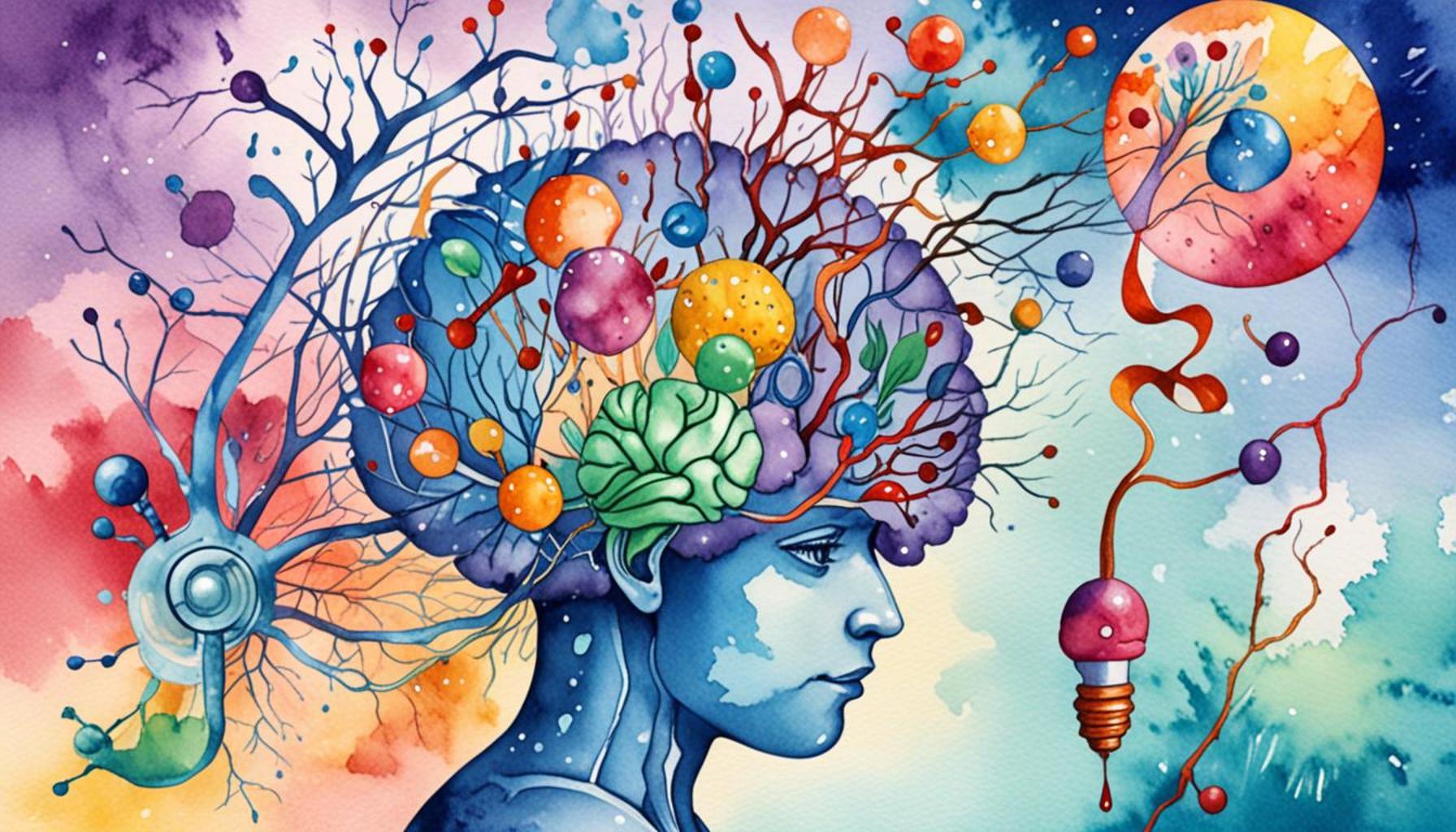
Unlocking the Secrets of the Brain
The intricate design of the human brain makes it one of the most remarkable and adaptable organs in our body. Throughout our lives, our brain remains dynamic, undergoing continuous changes in response to our experiences and environment. Central to this evolution is the engagement with cognitive games, which play a crucial role in nurturing and enhancing our mental capabilities. This relationship between mental exercises and brain development is fundamentally rooted in the concept of neuroplasticity, the brain’s innate ability to reorganize and adapt itself throughout our lifetime.
What Are Cognitive Games?
Cognitive games encompass a variety of activities specifically crafted to improve mental capabilities. These games are not only fun but also scientifically validated to enhance essential skills, including:
- Memory – Engaging in tasks designed to reinforce our ability to retain and recall information boosts overall cognitive function. For instance, memory card games challenge players to remember locations of cards, thus sharpening their retention abilities.
- Problem-solving – Games that present puzzles or real-life scenarios encourage players to devise innovative solutions. For example, Sudoku enhances logical reasoning and critical thinking skills, equipping individuals to tackle complex challenges.
- Attention – Activities that require focused engagement help improve concentration and the ability to sustain attention over time. Simple games like “Simon Says” can enhance children’s attention spans while being enjoyable to play.
- Processing speed – Fast-paced games, such as trivia or reaction time challenges, necessitate quick thinking and can boost an individual’s cognitive response rate.
The Role of Neuroplasticity
Neuroplasticity provides the underlying mechanism through which our brains adapt and improve in response to cognitive games. This remarkable ability of the brain allows individuals to:
- Learn new skills at any age, whether it’s mastering a musical instrument or picking up a new language. Research has shown that engaging in these brain-stimulating activities even later in life leads to significant cognitive benefits.
- Recover from brain injuries through targeted therapy and rehabilitation. For instance, stroke survivors can regain lost cognitive functions by participating in tailored cognitive exercises designed to retrain their brain.
- Enhance cognitive function even among older adults. Regular engagement in cognitive games can counteract the typical decline seen in aging, allowing seniors to maintain mental agility well into their later years.
By understanding the profound ways in which these games can foster neuroplasticity, we open doors to lifelong learning and enhanced brain health. As we explore this topic in more depth, we will discover how mental challenges can continuously reshape brain development across all stages of life. Whether through digital applications or traditional board games, there is something to be gained for every age group, paving the way for a more vibrant and agile mind.
DISCOVER MORE: Click here to enhance your child’s problem-solving skills
The Impact of Cognitive Games on Brain Function
Cognitive games act as a powerful tool for stimulating neuroplasticity, an extraordinary process that reflects the brain’s ability to change its structure and function in response to experience. By engaging in activities tailored to challenge mental faculties, individuals can initiate profound changes that resonate throughout their lives. Scientific research offers compelling evidence that these games can lead to significant improvements in brain function, leading to enhanced cognition across different age groups.
Understanding Neuroplasticity
Neuroplasticity is not a static phenomenon; rather, it is a dynamic process intricately linked to our daily lives. Neurogenesis, the creation of new neurons, occurs primarily in the hippocampus, a brain region vital for learning and memory. Engaging in cognitive games accelerates this process, promoting robust cognitive engagements that foster the creation of new neural connections. This adaptation is not just a response to stress or injury; it is influenced by intellectual stimulation, particularly through:
- Curiosity and Exploration – Cognitive games often cultivate a sense of curiosity, leading individuals to explore topics and concepts beyond their initial understanding. This inquisitiveness is key in triggering neuroplastic changes.
- Social Interaction – Multiplayer cognitive games foster social interaction, which has been associated with better cognitive health. Collaboration and competition with others can amplify the cognitive benefits, as shared experiences stimulate brain activity.
- Routine Challenge – Consistently engaging in challenging cognitive games requires practice and persistence. This resilience encourages the brain to adapt by enhancing its cognitive capabilities, creating a cycle of continuous improvement.
The Benefits Across the Lifespan
Engaging with cognitive games is beneficial at every stage of life, from childhood to late adulthood. For children, these games can enhance key developmental skills such as attention, processing speed, and creativity. Studies have indicated that children who regularly play cognitive games exhibit improved academic performance and problem-solving abilities. As individuals transition into adolescence and adulthood, these games remain vital in reinforcing cognitive skills necessary for success in both personal and professional realms.
In older adults, the application of cognitive games has emerged as a formidable ally against age-related cognitive decline. Research conducted by the National Institutes of Health highlights that individuals engaging in regular mental exercises can experience slower cognitive decline, preserving memory function and enhancing mental sharpness. This phenomenon underscores the importance of lifelong learning and the notion that it is never too late to harness the brain’s power.
In summary, cognitive games are an essential element in promoting neuroplasticity, driving mental enhancement, and fostering brain health. As we delve deeper into the relationship between cognitive games and neuroplasticity, we will explore specific examples and evidence-based outcomes that illuminate how these mental challenges shape brain development throughout our lives.
| Advantage | Description |
|---|---|
| Enhanced Memory | Engaging in cognitive games can improve memory retention by creating new neural pathways, fostering stronger connections in the brain. |
| Increased Problem-Solving Skills | Mental challenges serve to boost critical thinking abilities, empowering individuals to navigate complex situations with ease. |
| Emotional Resilience | Cognitive games help build emotional strength by encouraging perseverance through challenging scenarios, which can lead to improved mental health. |
| Better Cognitive Aging | Regular engagement with cognitive tasks is linked to slower cognitive decline, making it a vital part of active aging. |
Understanding the relationship between cognitive games and neuroplasticity offers a fascinating glimpse into how mental stimulation can lead to lasting benefits throughout one’s life. Research consistently shows that individuals who regularly challenge their brains tend to experience better cognitive functioning, emotional health, and overall quality of life. Engaging in activities such as puzzles, memory games, and strategy-based tasks can stimulate this neuroplasticity, allowing the brain to adapt and thrive in response to challenges. As we delve deeper into how these advantages manifest, the lifelong implications of cognitive engagement become increasingly clear, prompting individuals of all ages to consider the impact of their mental pursuits.
DIVE DEEPER: Click here to discover the evolution of puzzle challenges
Examples of Cognitive Games and Their Neuroplastic Benefits
The realm of cognitive games is vast, spanning from simple puzzles to complex strategy games, each designed to challenge different aspects of the brain. The diverse nature of these activities makes them effective in maximizing neuroplasticity and fostering cognitive resilience. Let’s explore some popular examples and how they contribute to brain development across the lifespan.
1. Puzzle Games
Classic games like crossword puzzles and jigsaw puzzles do not just provide entertainment; they offer significant boosts to cognitive function. Engaging in crossword puzzles enhances verbal skills and memory retention, as players must recall words and definitions. Similarly, jigsaw puzzles stimulate the brain’s visual-spatial skills, which play a crucial role in problem-solving and overall cognitive flexibility. A study conducted by the Institute of Aging found that regular participation in puzzles can lead to a reduction in cognitive decline in older adults, effectively promoting neurogenesis.
2. Memory and Attention Games
Games like Simon and memory card matching games are designed specifically to improve memory and attention spans. Research indicates that these types of games trigger changes in the synaptic connections within the brain, thereby strengthening the regions associated with memory processing. Children who frequently engage in memory games not only experience improvements in recall ability but also demonstrate better performance in classroom settings.
3. Strategy Games
Strategy-based games, such as chess and Settlers of Catan, push players to think several moves ahead and assess risk versus reward. Such games demand high levels of critical thinking, planning, and adaptable strategies, reinforcing executive functions within the brain. Studies show that adolescents who partake in strategy games exhibit enhanced analytical skills and improved decision-making abilities, laying a strong foundation for effective leadership qualities in adulthood.
4. Brain Training Apps
In the digital age, brain training apps like Lumosity and Peak have garnered immense popularity. These platforms offer a mix of games aimed at enhancing cognitive functions, including memory, attention, and problem-solving. A comprehensive review published in the Journal of Cognitive Enhancement found that users of these apps displayed marked improvements in cognitive performance, showcasing neuroplastic adaptations that align with the concepts of lifelong learning and development.
The Role of Consistency and Engagement
While the variety of cognitive games provides an extensive toolkit for cognitive enhancement, the key to unlocking their full potential lies in consistent engagement. Regular practice not only cements newly learned skills but also prompts the brain to reorganize itself in response to repeated challenges. This repeated exposure to mental challenges allows individuals to build a cognitive reserve, which is particularly advantageous as they approach later stages of life.
Moreover, the fun and motivational aspects of these games tend to foster higher engagement levels. Research indicates that when individuals find joy in mentally challenging activities, they are more likely to sustain their efforts, leading to further cognitive benefits. This highlights the intrinsic link between enjoyment and neuroplasticity, making cognitive games a pragmatic avenue for sustaining brain health throughout life.
In essence, the diversity of cognitive games and their tailored approaches to challenge the brain underscores their profound impact on neuroplasticity and mental acuity. Through continued exploration of these engaging activities, individuals can discover new ways to elevate their cognitive potential, effectively shaping brain development across the lifespan.
DISCOVER MORE: Click here to challenge your mind
Conclusion
In a world where cognitive health is increasingly recognized as vital to overall well-being, cognitive games emerge as powerful tools for enhancing mental resilience and promoting neuroplasticity. From the simple joys of puzzles to the strategic challenges of games like chess, these mental exercises serve not just to entertain, but to actively stimulate the brain’s capacity for growth and renewal. The findings of numerous studies affirm that engaging with such activities can lead to significant cognitive benefits, making it clear that our mental faculties are not fixed, but rather dynamic and adaptable.
Moreover, the effects of cognitive games stretch far beyond mere enjoyment; they pave the way for lifelong learning and brain development at all ages. With consistent practice and engagement, individuals can harness the power of these games to strengthen memory, improve decision-making skills, and maintain cognitive vitality as they age. As the research illustrates, the link between enjoyment and cognitive improvement establishes a unique pathway for fostering intellectual growth throughout life.
The quest for cognitive enhancement is not solely for the elderly or even the students; it’s a universal journey pertinent to everyone willing to challenge their minds. Therefore, integrating cognitive games into daily routines can be a proactive approach to nurturing our most valuable asset—our brain. As we continue to explore the realms of cognitive challenges and their profound implications, it becomes increasingly important to advocate for mental exercises that are not only beneficial but also enjoyable. Embrace the challenge and unlock your brain’s potential—the rewards are manifold.