Brain Teasers and the Psychology of Play: What Attracts Us to Mental Challenges?
The Intriguing World of Brain Teasers
Every day, millions of people engage with brain teasers, from crossword puzzles to riddles. But what drives this collective fascination with mental challenges? The psychology behind our love for these stimulating exercises reveals a complex interplay of factors spanning curiosity, achievement, and social interaction.
- Curiosity: The desire to solve problems fuels our interest in brain teasers. Our innate curiosity pushes us to investigate complex patterns, uncover hidden meanings, and deduce clever solutions. A classic example can be found in the popularity of Sudoku, where the grid format invites players to experiment with numbers in pursuit of that satisfying eureka moment. Each solved puzzle ignites a thirst for more challenges, reinforcing the cycle of curiosity.
- Achievement: Successfully cracking a challenging puzzle brings a sense of accomplishment. Psychologists assert that overcoming difficulties—whether it be a tricky riddle or a complicated logic puzzle—triggers a euphoric surge of dopamine. This chemical reaction not only enhances our mood but also solidifies our affinity for problem-solving. This phenomenon explains why many people eagerly participate in escape room challenges or competitive puzzle competitions, where the stakes often heighten the sense of triumph.
- Social Interaction: Sharing and solving puzzles can create bonding moments with others. Many families and friends enjoy working on crosswords together, fostering teamwork and stimulating healthy discussions. In the digital age, platforms that host virtual brain teaser contests have emerged, connecting individuals across the globe. This shared experience not only cultivates camaraderie but also serves as a catalyst for developing interpersonal skills.
Research indicates that engaging in these activities can enhance cognitive abilities and even boost our mood. As we navigate through challenges, our brains release dopamine, which makes the experience enjoyable. This addictive cycle of challenge and reward keeps us coming back for more. Moreover, activity in specific brain regions during mental tasks has been linked to improved memory and heightened creativity.
The allure of brain teasers transcends age and demographic boundaries, manifesting in various engaging formats such as online quizzes, mobile applications, and televised competitions like “Jeopardy!” These activities not only entertain but also stimulate critical thinking, encouraging individuals to approach problems from unique angles. This widespread appeal reflects our universal desire for growth and improvement, as many seek cognitive enrichment in their daily lives.
In this article, we will delve deeper into the psychology of play and uncover the factors that make brain teasers irresistible. By understanding these dynamics, you might just find yourself inspired to engage more with the puzzles that challenge your mind, unlocking new levels of enjoyment and cognitive prowess in the process.
DISCOVER MORE: Click here to enhance your critical thinking skills
Unpacking the Appeal of Mental Challenges
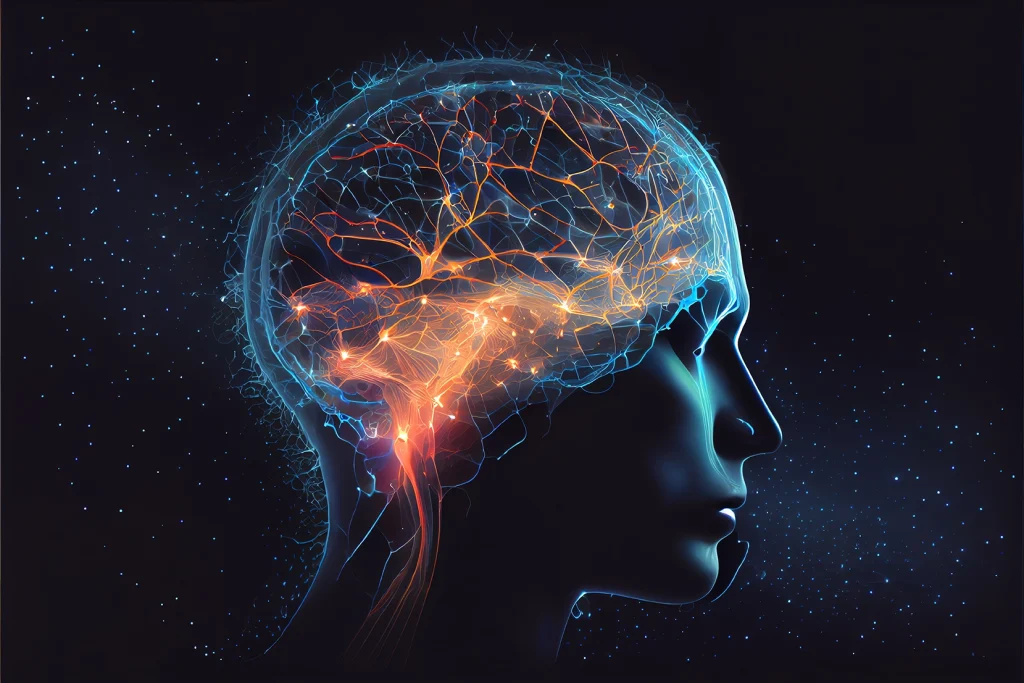
Brain teasers have long captivated our attention, transcending mere entertainment to tap into fundamental aspects of human psychology. These mental challenges not only serve as engaging diversions but also foster essential cognitive development and emotional well-being. To truly appreciate the allure of brain teasers, we must explore various psychological dimensions that create a perfect storm of attraction.
One significant factor is the sense of cognitive challenge. Our brains are hardwired to seek out and solve problems; this intrinsic motivation propels us toward activities like riddles and puzzles. For instance, research conducted by cognitive scientists reveals that humans often experience a heightened state of focus and enjoyment when confronted with tasks that are just beyond their repertoire of knowledge—known as the “zone of proximal development.” It is in this zone where brain teasers excel, presenting an optimal balance of challenge and solvability that keeps participants engaged.
The notion of intrinsic motivation plays a critical role as well. Unlike extrinsically motivated activities that yield material rewards, brain teasers activate our desire for mastery and self-improvement. Engaging in these mental exercises can foster a deep sense of independence and ownership over one’s cognitive skills, making each solved puzzle not just a victory, but a personal achievement. This need for autonomy aligns with the psychological theory of self-determination, which emphasizes the importance of competency and relatedness in promoting motivation.
Additionally, the social aspect of engagement cannot be overlooked. Collaborative problem-solving—whether in classrooms, at home with family, or during social gatherings—creates a rich and interactive experience. Activities involving brain teasers encourage communication and collaboration, enhancing the social fabric while simultaneously stimulating minds. Research indicates that social interaction during puzzle-solving leads to greater enjoyment and deeper cognitive engagement. For many, tackling a crossword puzzle together becomes an avenue for connection and shared laughter, reinforcing relationships and fostering a sense of belonging.
- Neuroscience Insights: Studies in neuroscience reveal that engaging in brain teasers can enhance synaptic connections, ultimately improving cognitive functions such as memory and learning. This brain plasticity is especially beneficial for aging populations in the United States, as regular engagement with cognitive challenges may stave off dementia and other cognitive impairments.
- The Role of Technology: With the advent of mobile applications and online platforms dedicated to brain teasers, the ease of access has skyrocket. Gamified elements in these platforms lead to increased engagement, where leaderboards and awards spark competitive spirits, pushing players to hone their skills even further.
- X-factor of Curiosity: The multifaceted designs of brain teasers often integrate elements of story or experience, appealing to our curiosity and senses. This connection not only makes the puzzles enjoyable but also encourages players to explore different approaches and solutions.
In understanding the various psychological elements that contribute to our fascination with brain teasers, it becomes evident that these mental challenges offer a rich tapestry of benefits. They are not merely time-fillers, but a complex interplay between our cognitive desires, emotional needs, and social connections. As we continue to explore this theme throughout the article, we will uncover how these elements coalesce to drive us toward greater engagement with brain teasers, ultimately enriching our lives in delightful and profound ways.
| Advantages | Psychological Insights |
|---|---|
| Cognitive Development | Mental challenges enhance problem-solving skills, improving overall cognitive function. |
| Stress Relief | Engaging in brain teasers can significantly reduce stress and promote relaxation. |
| Social Interaction | Playing mental games often involves teamwork, fostering communication and camaraderie. |
| Enhanced Memory | Regularly challenging oneself improves memory retention and recall abilities. |
Exploring the psychology of play reveals why brain teasers captivate us. One key aspect is the inherent drive for achievement; solving puzzles ignites a sense of accomplishment. Additionally, our brains are wired for dopamine releases upon overcoming challenges, reinforcing the pleasure derived from mental accomplishments. This interplay between fun and function explains our attraction to such activities.Moreover, researchers suggest that engaging with brain teasers not only sharpens mental skills but also enhances emotional resilience. When individuals face and conquer challenging tasks, they build confidence and adaptability that extends beyond the game, influencing everyday decision-making.As we continue to navigate through prior beliefs about play, the exploration of mental challenges uncovers uncharted territories in brain function and behavior. This connection between typical play, learning, and psychological effects encourages further study and understanding of how mental challenges shape our lives.
DIVE DEEPER: Click here to unlock more secrets of puzzle design
The Science Behind Enjoyment and Engagement
As we delve deeper into the psychology of play, it becomes crucial to examine the neurological responses that brain teasers evoke in our brains. Engaging with puzzles results in a multifaceted experience, activating various regions responsible for critical thinking, memory, and problem-solving. When we confront a challenging brain teaser, our brain releases chemicals such as dopamine—often referred to as the “feel-good neurotransmitter.” This release not only provides a sense of euphoria upon solving a puzzle but also reinforces a cycle of motivation and engagement.
Another element that significantly enhances our attraction to these mental challenges is the concept of flow. Coined by psychologist Mihaly Csikszentmihalyi, flow describes a state of complete immersion and focus that individuals often experience during activities that require skill and challenge. Brain teasers provide the ideal conditions for achieving this state, as they demand our complete attention while facilitating an enjoyable experience. The satisfying feeling that accompanies solving a difficult puzzle can lead to prolonged periods of engagement, effectively “hooking” individuals to pursue even more challenges.
The diversity of brain teasers further expands their appeal. From logic puzzles and Sudoku to cryptic crosswords and math challenges, the variety ensures that there is something for everyone. This multitude not only caters to different preferences and skill levels but also allows individuals to switch between types based on their mood or cognitive state. For instance, someone might gravitate toward a language-based puzzle during a coffee break to relax but turn to a complex logical problem when seeking a more intense mental workout. This versatility enhances the allure, making brain teasers a versatile tool for Cognitive fitness.
- Benefits for All Ages: Brain teasers are not limited to the young or exceptionally gifted. They provide invaluable opportunities for people of all ages—from children developing foundational skills to seniors seeking cognitive engagement. In schools, educators increasingly incorporate puzzles into lesson plans as a fun way to stimulate critical thinking and problem-solving abilities, ensuring that students not only learn but also enjoy the process.
- Gamification and Modern Trends: Incorporating elements of game design into brain teasers has fueled their popularity. Features like levels, badges, and progress tracking in mobile applications increase user engagement, fulfilling our competitive instincts. For instance, platforms like Lumosity and Elevate utilize research-backed brain training games that appeal to the competitive spirit of players eager to improve their personal bests.
- The Role of Cultural Trends: In a society increasingly driven by digital connectivity and social media interactions, brain teasers have become a staple in sharing quick, entertaining challenges. The viral nature of engaging puzzles on platforms like TikTok and Instagram encourages a culture of problem-sharing and community, creating shared moments that further elevate their appeal.
As we analyze the factors that enhance the draw of brain teasers, it becomes clear that their significance transcends their initial appearance as simple games. They embody a complex mix of fundamental human experiences, reinforcing our cognitive abilities while simultaneously fostering social bonds and personal fulfillment. The intricate psychological and neurological dynamics at play offer deeper insights into not only why we are attracted to brain teasers but also how they fundamentally enrich our cognitive landscapes.
DON’T MISS: Click here to discover the benefits of cognitive games in rehabilitation
Embracing the Challenge: The Enduring Allure of Brain Teasers
In conclusion, the fascination with brain teasers and the psychology of play reveals a rich tapestry of cognitive engagement that influences our daily lives. These mental challenges serve not only as enjoyable pastimes but also as vital instruments for enhancing cognitive function, fostering critical thinking, and strengthening social connections. By tapping into our natural curiosity and desire for accomplishment, brain teasers encourage us to tackle challenges head-on, culminating in a rewarding experience.
The neurological and psychological elements driving our attraction to these puzzles—such as the release of dopamine and the flow state—unveil a deeper understanding of our human experience. As individuals navigate through varied puzzles, they cultivate resilience and adaptability, qualities essential in today’s fast-paced world. Additionally, the integration of technology and gamification has transformed the way we engage with these intellectual challenges, creating captivating platforms for brain training and community interaction.
Ultimately, the enduring allure of brain teasers resonates across generations and demographics. Whether for personal growth, social bonding, or simply leisure, these engaging puzzles invite us to explore our mental capacities. As you contemplate your next challenge, remember that embracing the world of brain teasers is not just about exercising your mind; it’s about celebrating the joy of discovery and the thrill of solving complex problems. So, the next time you encounter a brain teaser, dive in and experience the profound benefits of cognitive play firsthand.