
Boost Memory Cognitive Skills How Supplements Enhance Puzzle Solving
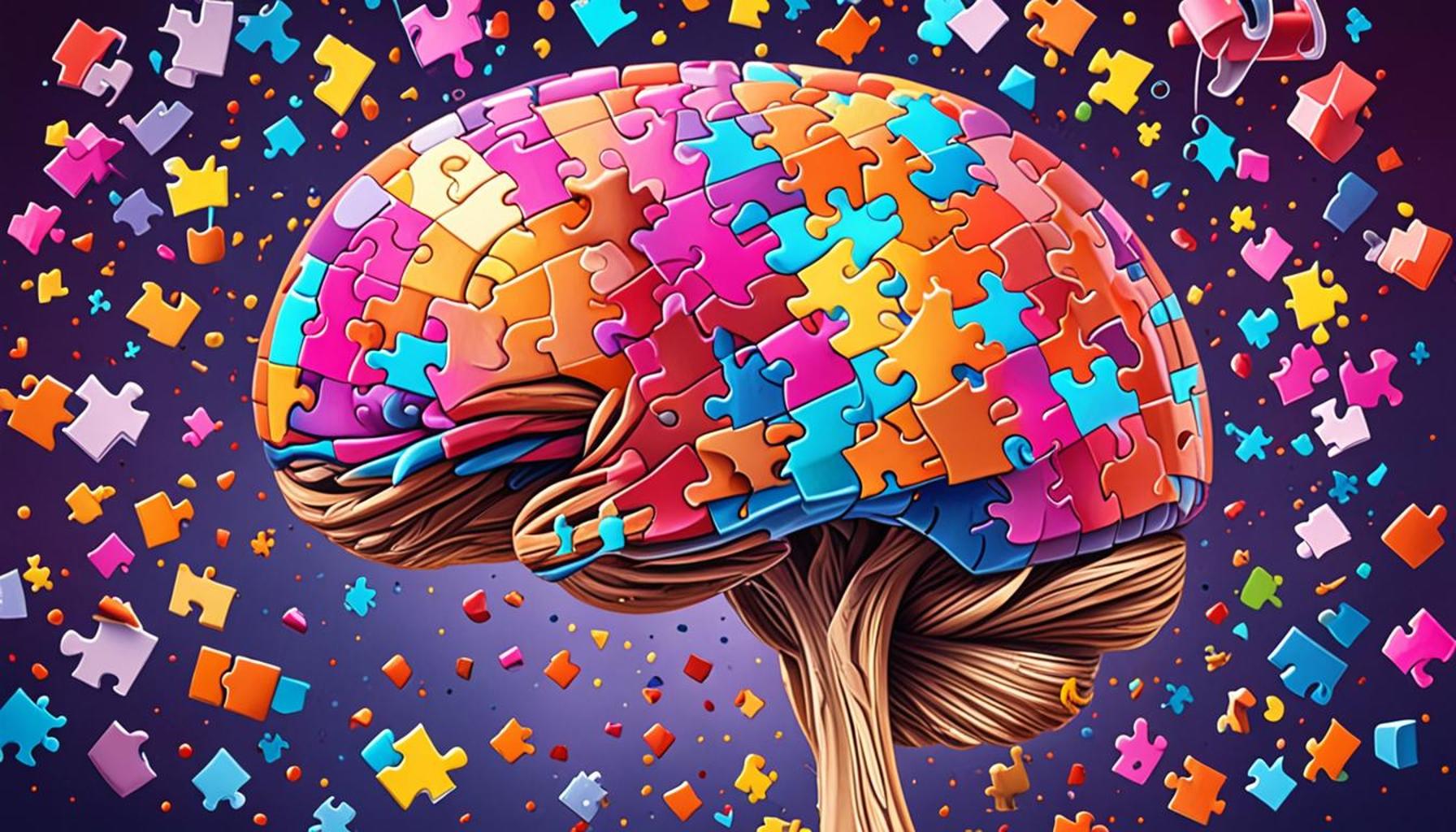
The brain is a powerhouse of cognition, continually evolving and adapting through various stimuli. Mind games and puzzles serve as an effective means to challenge our cognitive abilities and enhance mental acuity. In an era where cognitive health has become a priority, understanding the role of memory boosters has gained significant traction.
Research indicates that certain supplements can improve memory retention and cognitive skills, making puzzle solving even more stimulating. With a myriad of options available, it’s essential to discern which boosters truly enhance our mental performance during these recreational activities. This article aims to explore the impact of memory enhancers on cognitive function, leading to a countdown of the Top 5 supplements that can elevate your puzzle-solving experience.
- What are memory boosters?
- How do they affect cognitive skills?
- The correlation between puzzle-solving and memory enhancement.
- Our curated list of top supplements.
- Potential benefits of incorporating these into your routine.
DISCOVER MORE: Click here to unlock new strategies
The Impact of Memory Boosters on Cognitive Function in Puzzle Solving
In today’s fast-paced world, the quest for cognitive enhancement has led many to explore the potential of memory boosters. With puzzles and mind games offering a playground for the brain, understanding how these enhancers affect cognitive performance becomes an intriguing topic of exploration. This article delves into the compelling aspects of memory enhancement, examining their effects on puzzle-solving abilities, ranked from the least impactful to the most transformative improvements.
5. Enhanced Focus and Concentration
Among the most accessible and commonly used memory boosters are caffeine and certain nootropics, celebrated for their ability to significantly improve focus and concentration. When engaging in intricate puzzles that demand attention to detail, heightened focus can lead to fewer errors and a richer, more immersive experience.
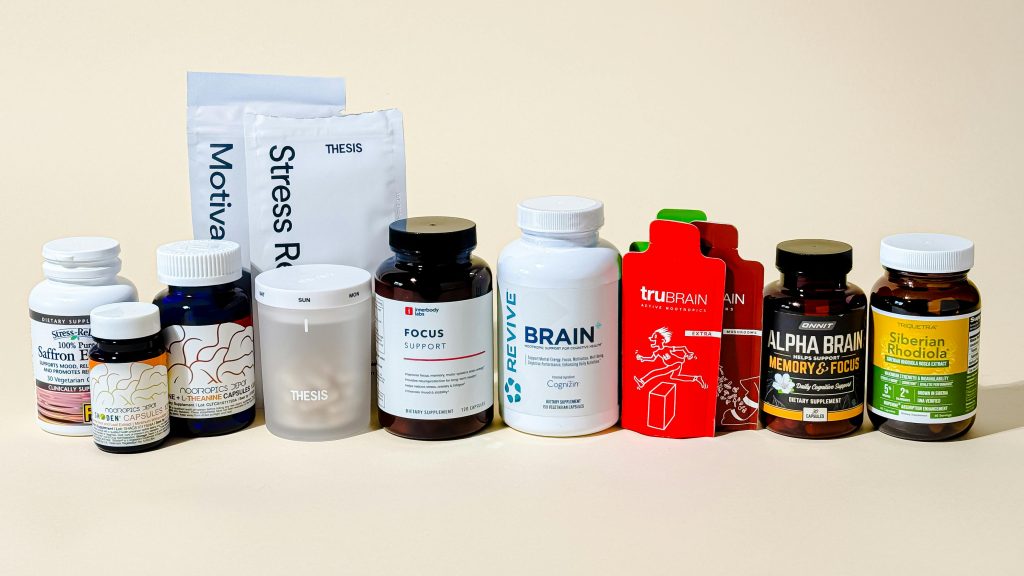
Caffeine, for instance, is a well-documented cognitive enhancer. Studies have shown that caffeine increases alertness and attentiveness, making it especially beneficial for tackling complex puzzles like crosswords or Sudoku, where missing a single detail can thwart the solution. However, the enhancements offered by caffeine are not without their drawbacks. An over-reliance on stimulants may lead to disproportionately high peaks in productivity, followed by significant crashes.
To mitigate these potential downsides, consider integrating non-stimulant cognitive boosters such as mindfulness meditation into your routine. Mindfulness eliminates distractions and cultivates a sustainable form of focus that doesn’t rely on chemical stimulants. Meditation and breathing exercises can gradually improve your mental endurance, helping maintain concentration during long sessions of puzzle solving.
4. Improved Short-Term Memory Recall
The ability to recall information quickly—often called short-term memory—is a fundamental skill when dealing with puzzles. Memory boosters have the potential to enhance short-term memory recall, enabling solvers to better process and utilize complex instructions or strategies. This is particularly beneficial for puzzles like logic grids, which require not just understanding, but instant application of multiple rule sets.
- Mnemonic Devices: Creating easy-to-remember phrases or acronyms aids in retaining clues that might otherwise slip your mind amid a challenging puzzle task.
- Chunking: Organizing information into smaller, manageable groups can dramatically increase recall efficiency. This method is often employed in recall-focused activities and real-world learning environments.
- Repetition: Regularly engaging with similar puzzles can reinforce memory pathways, making retrieval faster and more efficient.
Research supporting these techniques confirms that even mild cognitive enhancers can amplify your working memory capacity. The improved synchronization between short-term recall and puzzle-solving requirements significantly boosts overall effectiveness and enjoyment.
3. Long-Term Memory Development
While the immediate enhancement of short-term recall is beneficial, the potential for long-term memory development is even more impactful. Certain nutritional supplements such as omega-3 fatty acids and herbal remedies like ginkgo biloba are believed to support brain health, thereby aiding long-term memory retention.
By boosting long-term memory, solvers can retain strategies, solutions, and patterns from previous puzzles, fostering a knowledge base that facilitates more efficient approaches to new challenges. Memory-enhancing diets incorporating antioxidants have shown great promise in sustaining cognitive function over time, offering a particular advantage for enthusiasts committed to regular puzzle challenges.
Notably, omega-3 fatty acids, prevalent in foods such as fish oils, and flavonoid-rich plant-based foods are credited with supporting neuroplasticity and overall brain function. For those serious about maintaining and enriching cognitive prowess through puzzles, integrating a diet rich in these components can lead to noticeable improvements in long-term memory retention.
2. Cognitive Flexibility and Problem-Solving Skills
One compelling advantage provided by memory enhancers is their effect on cognitive flexibility. This attribute allows individuals to adjust their cognitive strategies based on new information or unexpected changes, a crucial skill for solving dynamic puzzles.
Consider the challenge of solving a jigsaw puzzle: Solvers may need to constantly reassess their decisions based on the configuration of new pieces. Enhanced memory supports these cognitive shifts, permitting solvers to reevaluate strategies more fluidly. Research correlates increased cognitive flexibility with significant improvements in puzzle performance, indicating that solvers are better equipped to innovate and problem-solve when faced with unfamiliar challenges.
Cognitive enhancers that boost flexibility may range from traditional supplements to more modern nootropics, which purportedly improve synaptic relationships between different areas of the brain. Enhanced adaptability not only augments problem-solving efficiency but also encourages different modes of thinking, allowing a more holistic approach to puzzle-solving tasks.
1. Heightened Overall Cognitive Function
The pinnacle of memory booster efficacy rests in their ability to enhance overall cognitive function. When the brain operates at peak health, every facet associated with cognitive tasks—including puzzle-solving—is improved. This holistic enhancement results in sharper reaction times, superior decision-making capabilities, and an upsurge in analytical proficiency.
Medications and supplements, such as modafinil, demonstrate promise in amplifying cognitive performance across multiple domains. By consistently engaging in activities that challenge memory and cognition, such as learning new languages or participating in socially intellectual games, individuals can amplify these cognitive benefits even further.
The implementation of memory-boosting practices, from mental exercises to dietary choices, compounds their advantages over time. Such a synergistic approach to cognitive enhancement not only makes solving puzzles more efficient but also injects more pleasure and fascination into mental challenges.
In conclusion, the diverse impacts of memory boosters provide insightful perspectives on their contribution to cognitive function in puzzle-solving. Utilizing these enhancers with discernment can substantially elevate the puzzle-solving experience, making it not only a tool for entertainment but a valuable exercise for mental conditioning.
| Category | Details |
|---|---|
| Memory Retention | Memory boosters, like omega-3 fatty acids, enhance neuroplasticity, allowing for better retention of puzzle-solving techniques. |
| Attention Span | Certain cognitive enhancers can improve focus, limiting distractions and enabling deeper engagement with problem-solving tasks. |
| Problem-Solving Speed | Using memory aids can shorten the time needed to recognize patterns, significantly reducing the time spent on each puzzle. |
| Analytical Skills | Boosters enriched with antioxidants help maintain brain health, which is essential for enhanced critical thinking and analytical abilities in complex puzzles. |
Engagement with puzzles often represents a unique blend of challenge and enjoyment that requires both cognitive demand and sustained mental effort. The interplay of memory boosters within this context can unlock new levels of performance. For instance, studies have shown that individuals who regularly consume supplements like ginkgo biloba often report improved mental agility, which translates to quicker and more accurate problem-solving capabilities.Further exploration into natural memory enhancers reveals fascinating insights. Ingredients like curcumin, found in turmeric, are linked to enhanced cognitive function and may promote a healthier neural environment for solving intricate problems. This leads to a compelling discussion on the intersection of diet, cognitive function, and the art of puzzle-solving, particularly for those who engage in these brain teasers regularly and seek a competitive edge.Moreover, experimenting with variations of mental exercises, augmented by memory tools or supplements, can help determine their effectiveness in diverse scenarios. For example, implementing structured practice sessions, supplemented by cognitive enhancers, may yield unexpected improvements in puzzle-solving times and overall enjoyment. In this sense, the influence of memory boosters becomes not just a catalyst for improved results but a significant factor in the broader pursuit of cognitive excellence tailored to the art and skill of puzzle-solving.
DIVE DEEPER: Click here to uncover more insights
Frequently Asked Questions about Memory Boosters and Cognitive Function in Puzzle Solving
What are memory boosters and how do they affect cognitive functions?
Memory boosters, often referred to as nootropics, include supplements, natural herbs, or nutrients designed to enhance brain performance. They are believed to improve cognitive functions such as memory, creativity, and problem-solving skills. These effects could potentially impact the way individuals engage in tasks like puzzle solving, making the process more efficient or enhancing concentration levels.
Are memory boosters scientifically proven to enhance puzzle-solving abilities?
While some studies suggest that certain nootropics might enhance cognitive performance, the scientific community remains cautious. The effects of memory boosters can vary significantly between individuals, and while they may offer subtle benefits, there is no conclusive evidence that they markedly improve puzzle-solving abilities. It’s essential to consider the lack of long-term studies and the ethical concerns surrounding their usage.
What are the potential risks involved in using memory boosters?
Potential risks associated with memory boosters include side effects such as headaches, insomnia, or gastrointestinal issues. Additionally, the efficacy and safety of many supplements are not thoroughly regulated by the FDA, leading to questions about their purity and composition. Hence, it’s crucial for users to conduct thorough research and consult healthcare professionals before consumption.
Can regular puzzle solving improve cognitive functions better than memory boosters?
Engaging in regular puzzle-solving activities is a natural way to boost brain functions, as it involves critical thinking and problem-solving skills. Unlike memory boosters, puzzle solving doesn’t carry the risk of side effects and offers continuous cognitive development. Many cognitive specialists advocate for mental exercises, such as puzzles, as a sustainable method for cognitive enhancement.
How can one responsibly enhance their cognitive function while solving puzzles?
To responsibly enhance cognitive function, combine a healthy lifestyle with mental exercises. This includes maintaining a balanced diet rich in omega-3 fatty acids, staying physically active, getting enough sleep, and engaging in brain-challenging activities like puzzles. While memory boosters may offer temporary benefits, a holistic approach ensures long-term cognitive health and puzzle-solving capability.
DISCOVER MORE: Click here to dive deeper
Conclusion: Navigating the Puzzle of Memory Boosters and Cognitive Function
The exploration of memory boosters and their influence on cognitive performance in puzzle-solving reveals a fascinating intersection of neuroscience, psychology, and everyday brain challenges. Throughout the article, we delved into five primary takeaways that illuminate the role of these enhancers in boosting our mental agility when tackling mind games and puzzles.
As highlighted, supplements like ginkgo biloba, Omega-3 fatty acids, and various nootropics are often purported to enhance memory and cognitive skills. While promising, the research into their efficacy remains divided, indicating a need for further investigation. Equally significant is the role of lifestyle factors and holistic approaches, such as meditation, regular exercise, and a balanced diet, which have been shown to provide substantial cognitive benefits.
Importantly, understanding individual differences proves crucial, as not all memory boosters may yield the same results across different demographics. Tailoring enhancements to personal cognitive profiles could unlock more consistent and pronounced benefits for puzzle solvers.
- The need for in-depth research on long-term effects and safety of memory enhancers
- The potential of integrated approaches combining supplements with lifestyle strategies
- The influence of personalized interventions catering to specific cognitive needs
Ultimately, while the quest to enhance brain function through memory boosters in the realm of puzzle-solving remains an exciting frontier, it is fraught with complexities and challenges that warrant cautious optimism. With the growing popularity of mind games and puzzles, the potential of memory enhancers becomes increasingly pertinent, encouraging readers to stay informed and curious about the evolving science behind these cognitive enhancers. As research progresses, so too will our understanding of the intricate relationship between memory boosters and the complex art of puzzle-solving.