The Evolution of Logical Puzzles: From Antiquity to the Digital Age
Unraveling the Intricacies of Logical Puzzles
Logical puzzles have captivated the minds of individuals throughout history, blending cognitive challenge with joyful entertainment. Their enduring appeal lies in their ability to stimulate critical thinking and promote problem-solving skills, making them a staple pastime for many. As cultures evolved, so too did the complexity, style, and prevalence of these puzzles, reflecting the changing nature of human thought and interaction.
Historical Milestones in Puzzle Development
The timeline of logical puzzles highlights significant developments in divergent eras:
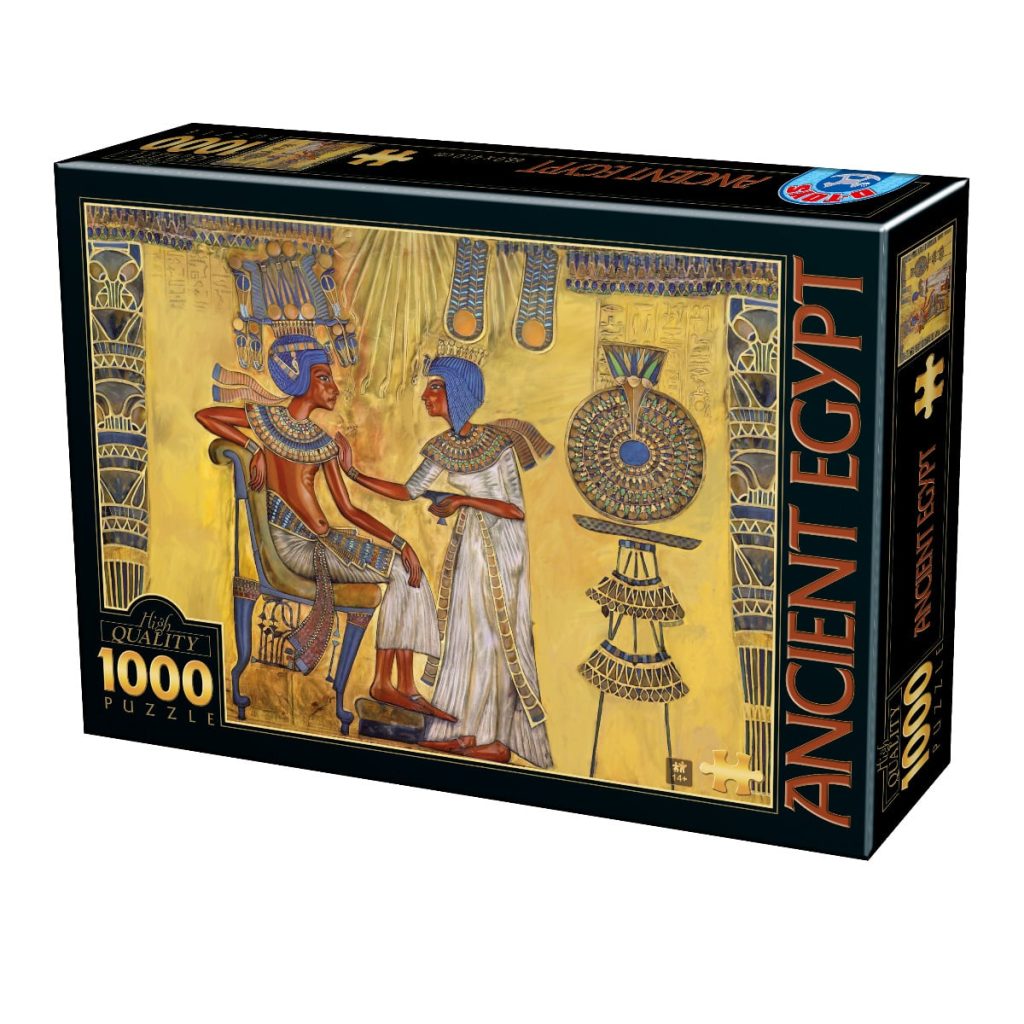
- Antiquity: The ancient Egyptians are credited with some of the earliest recorded riddles and brain teasers, often inscribed on papyrus. The Greeks, too, played a pivotal role in puzzle evolution, with mathematicians like Euclid contributing problems that challenged contemporary thinkers to apply logic beyond mere computation.
- Middle Ages: During this period, scholarly pursuits intertwined with puzzles. Monastic communities crafted riddles reflecting religious doctrine and philosophical inquiries, offering a means for both contemplation and entertainment.
- 19th Century: This era witnessed the formalization of recreational mathematics. Puzzles like logic grid puzzles emerged, inviting enthusiasts to apply deductive reasoning in structured formats while also serving as early examples of educational tools.
- 20th Century: The popularity of crossword puzzles soared, especially in the United States, when the first one was published in the New York World in 1913. Concurrently, Sudoku gained traction, capturing the interests of casual and serious puzzle enthusiasts alike.
- Digital Age: With the advent of the internet and mobile devices, puzzles transitioned into an omnipresent digital format, accessible to anyone at any time. This transformation introduced greater complexity through algorithms and interactive gameplay, making puzzles a part of daily life for many.
Characteristics of Logical Puzzles Across Eras
Not only have logical puzzles evolved in format but they also reflect significant trends in human cognition:
- Engagement with mathematics: These puzzles serve an important educational function, often acting as a gateway between playful inquiry and serious mathematical exploration. From simple addition riddles to complex logic problems, they engage individuals of all skill levels.
- Social interaction: Puzzles have historically fostered connectivity. Community puzzle competitions and collaborative solving sessions bring together puzzle enthusiasts, enhancing social bonds through shared challenges and triumphs.
- Technological influence: Today’s digital platforms not only allow for greater accessibility but also enable players from all corners of the globe to compete. The integration of social features within puzzle games enhances interaction, creating communities around problem-solving.
As we navigate this intriguing landscape of logical puzzles, we unveil their multifaceted influence on culture and cognitive development. Not merely entertainment, these puzzles embody a rich history that continues to evolve, inviting exploration and inviting enthusiasts to delve deeper into their labyrinthine world. The journey from ancient riddles to digital adaptations not only demonstrates human ingenuity but also highlights the intellectual curiosities that drive our imaginations. Join us as we continue to unpack the enigmatic charm of logical puzzles across the ages!
DISCOVER MORE: Click here to dive deeper
The Transformative Journey of Logical Puzzles
The journey of logical puzzles from their rudimentary forms in ancient civilizations to their sophisticated digital iterations today showcases both the rich tapestry of human thought and the fascinating interplay between culture and cognition. In understanding this evolution, we can discern how these puzzles not only reflect the eras in which they flourished but also the enduring quest for intellectual engagement. This section delves deeper into the characteristics and implications of logical puzzles throughout history, shedding light on their development and relevance today.
Early Beginnings: The Roots of Logical Thought
In antiquity, logical puzzles emerged as a playful interaction with the world around us. The ancient Greeks, particularly, laid the groundwork for logical reasoning, with philosophers like Socrates using riddles as tools for dialectical thought and inquiry. Riddles and brain teasers were not merely tools of leisure; they served as a means to challenge the intellect, inspire curiosity, and engage in philosophical dialogue. The Egyptians, too, utilized puzzles as educational tools, embedding them within their culture as reflections of moral and ethical dilemmas.
The Middle Ages: Puzzles as Instruments of Learning
Transitioning into the Middle Ages, the concept of logical puzzles evolved as monasteries became centers of scholarly pursuits. The puzzles crafted during this time often integrated elements of theology and philosophy, reflecting the intense intellectual climate of the period. Monastic scribes composed allegorical riddles that encouraged both private contemplation and public discussion. As literacy began to rise, these puzzles found their way into the burgeoning markets of books and manuscripts, captivating the growing audience of educated amateurs.
Expansion in the 19th Century: A Recreational Resurgence
The 19th century marked a significant pivot in the trajectory of logical puzzles, as recreational mathematics gained prominence. This era birthed a multitude of puzzle types, with logic grid puzzles and numerical enigmas taking center stage. These puzzles were not merely diversions; educational theorists recognized their capacity to develop analytical skills and enhance cognitive flexibility. Prominent publications and periodicals began to feature regular puzzles, facilitating a community of enthusiasts who sought joy in problem-solving. Perhaps this was the foundational shift that established puzzles as both a communal activity and an individual challenge.
The Crossroads of the 20th Century: Puzzles in Popular Culture
The rise of the 20th century heralded unprecedented changes in how logical puzzles were consumed. With the advent of the printing press, the crossword puzzle emerged, captivating the public’s imagination. Released in the December 1913 edition of the New York World, it quickly became a cultural phenomenon, forever altering the landscape of logical puzzles. Meanwhile, interests diversified to include brain teasers like Sudoku, which drew masses into the world of logic puzzles, allowing them to engage in solitary contemplation amid the hustle and bustle of modern life.
The Digital Revolution: Puzzles Go Global
Today, in the digital age, logical puzzles are more accessible than ever, accessible through a multitude of platforms and devices. This shift has transformed traditional puzzle-solving into a dynamic, interactive experience, where players around the globe can engage in competitive puzzles through online platforms. The technological advances have not only enhanced the complexity of puzzles but have also fostered communities centered around shared problem-solving endeavors. Puzzle-solving now transcends geographic boundaries, bringing people together in a new way.
This exploration of logical puzzles highlights their transformative journey through the ages, illustrating their importance as both intellectual challenges and cultural artifacts. As we continue to navigate this historical landscape, it becomes clear that logical puzzles are more than just entertainment; they embody the evolution of human thought, fostering learning, connection, and creativity across generations.
The Evolution of Logical Puzzles: A Journey Through Time
As we delve deeper into the fascinating realm of logical puzzles, it is essential to acknowledge how these intellectual challenges have evolved through the ages. From simple riddles of antiquity to the intricate digital formats of today, the evolution of logical puzzles reflects broader cultural and technological shifts.
Ancient Origins
Logical puzzles can trace their origins back to ancient civilizations, where they served not only as entertainment but also as tools for teaching critical thinking. The ancient Greeks, such as Plato and Socrates, employed riddles in their dialogues to stimulate intellectual discourse. The famous riddle of the Sphinx, which posed a challenge to Oedipus, exemplifies how these puzzles often held significant cultural meaning.
The Renaissance and Puzzle Popularity
During the Renaissance, there was a resurgence in the popularity of logical puzzles, largely due to the rediscovery of classical texts and mathematical thought. The introduction of printed books made puzzles accessible to a wider audience, leading to the publication of collections of riddles and brain teasers. This period also saw the birth of mathematical puzzles, with figures such as Fibonacci contributing to this genre.
The 20th Century: A New Horizon
The 20th century marked a revolutionary phase with the introduction of various logical games, such as Sudoku and crosswords. These puzzles not only entertained but also engaged the analytic capabilities of the brain, encouraging problem-solving and pattern recognition. Additionally, magazines began to feature puzzles regularly, fostering a culture of competition and collaboration among enthusiasts.
| Category | Description |
|---|---|
| Cognitive Development | Puzzles enhance critical thinking, logic, and problem-solving skills. |
| Cultural Significance | Reflect shifts in social structure and thought processes across eras. |
The Digital Revolution
With the advent of computers and mobile applications, logical puzzles entered a new era. Today, we have access to an expansive variety of formats, including online escape rooms, interactive riddles, and puzzling apps that challenge players in real time. This transformation not only broadens the audience but also allows for a global exchange of puzzle experiences.In summary, the journey of logical puzzles from ancient times to the digital age encapsulates more than mere entertainment; it represents a profound shift in how society values and engages with intellectual challenge. As innovative formats continue to emerge, the future of logical puzzles remains as captivating as its illustrious past.
DISCOVER MORE: Click here to learn how puzzles can boost your mental health
The Modern Era: Logical Puzzles in Education and Engagement
The modern era has seen logical puzzles transcend their historical roles as mere entertainment or intellectual exercises. They are increasingly recognized as vital tools in education, promoting critical thinking and problem-solving skills among learners of all ages. Educational institutions have begun to integrate these puzzles into curricula, drawing on the findings of educational psychology that highlight the effectiveness of puzzles in enhancing cognitive abilities. From elementary schools to universities, logical puzzles engage students in a dynamic learning process, fostering not only analytical skills but also creativity and resilience.
Puzzles as a Tool for Cognitive Development
Recent studies have shown that engaging with logical puzzles significantly enhances mental agility. Research published in educational journals emphasizes that students who regularly tackle puzzles demonstrate improved performance in subjects like mathematics and science. For instance, logic puzzles and math challenges are not only engaging but also enhance spatial reasoning and logical deduction skills. This has led to the rise of specialized puzzle competitions, such as math leagues and the National Puzzlers’ League, which advocate for the use of puzzles as a means to promote learning and intellectual camaraderie.
Interactive Platforms: A New Dimension of Puzzle-Solving
The digital age has ushered in a new dimension of puzzle-solving through interactive platforms and mobile applications. Gamification has transformed traditional puzzles, allowing users to engage in a more immersive experience. Apps like BrainBashers and Elevate incorporate puzzles into challenging games designed to stimulate the mind. These platforms often utilize adaptive learning technologies, adjusting the difficulty levels based on user performance, thereby personalizing the puzzle-solving experience. Mobile technology has opened up opportunities for daily challenges and social sharing, fostering a sense of community among puzzle enthusiasts.
The Rise of Online Communities and Competitions
The internet has revolutionized the world of logical puzzles by creating vibrant online communities dedicated to puzzle enthusiasts. Forums such as Reddit’s /r/puzzles and specialized sites like Logic Puzzles Online serve as hubs for sharing strategies, solutions, and new puzzle discoveries. These communities often host regular competitions, such as those seen in the World Puzzle Championship, where individuals and teams from around the globe compete in solving intricate puzzles that test their ingenuity. Such events not only highlight the ongoing evolution of logical puzzles but also emphasize the social aspect of puzzles, where teamwork and collaboration are celebrated.
Educational and Therapeutic Applications
Additionally, the role of logical puzzles has expanded into therapeutic settings. They are increasingly employed in cognitive rehabilitation therapy for individuals recovering from brain injuries and stroke. Engaging with logical challenges has been shown to enhance neural connectivity and boost cognitive functions, proving beneficial for patients’ recovery. Many therapists advocate for puzzle-solving as a fun and effective way to stimulate cognitive processes, making it an integral part of treatment plans across various neurological conditions.
In this transformation of logical puzzles, we see a remarkable versatility that speaks to their inherent value. From classrooms to digital communities, and therapeutic settings to competitive arenas, logical puzzles continue to evolve and adapt, remaining relevant in a rapidly changing world. As we look at their expanding role, it becomes clear that logical puzzles have not only survived the test of time but have thrived, marking a significant landmark in the development of human intellectual engagement.
DISCOVER MORE: Click here to learn about the benefits of memory games
Conclusion: The Timeless Appeal of Logical Puzzles
The journey of logical puzzles from ancient riddles to contemporary digital challenges reflects a fascinating evolution that underscores their enduring appeal. As we have explored, these puzzles have transitioned from simple entertainment to crucial educational tools, effectively fostering cognitive flexibility and critical thinking across various age groups. In the digital age, the rise of interactive platforms and online communities has not only democratized access to puzzles but has also revitalized engagement, making them more accessible and enjoyable than ever before.
Moreover, the therapeutic applications of puzzles underscore their multifaceted benefits, demonstrating their potential in cognitive rehabilitative contexts and bringing joy to individuals recovering from neurological challenges. The integration of gamification and adaptive technologies further emphasizes the innovative direction that logical puzzles are heading, making learning engaging and personalized.
The current landscape of logical puzzles illustrates their adaptability and relevance amidst the fast-paced changes in our world. They celebrate not just individual intellect, but also community collaboration during competitions, reinforcing social bonds and the shared joy of problem-solving. As we look ahead, the future of logical puzzles appears bright, promising even more exciting developments that can blend tradition with innovation.
To those intrigued by the challenges they pose, logical puzzles remain a splendid opportunity to explore the depths of human reasoning. Whether through a simple brain teaser or a complex digital challenge, we are reminded that they are more than mere activities—they are gateways to cognitive exploration and cherished connections. Thus, the evolution of logical puzzles is not just a historical account but a testament to their vital role in our intellectual and social fabric.