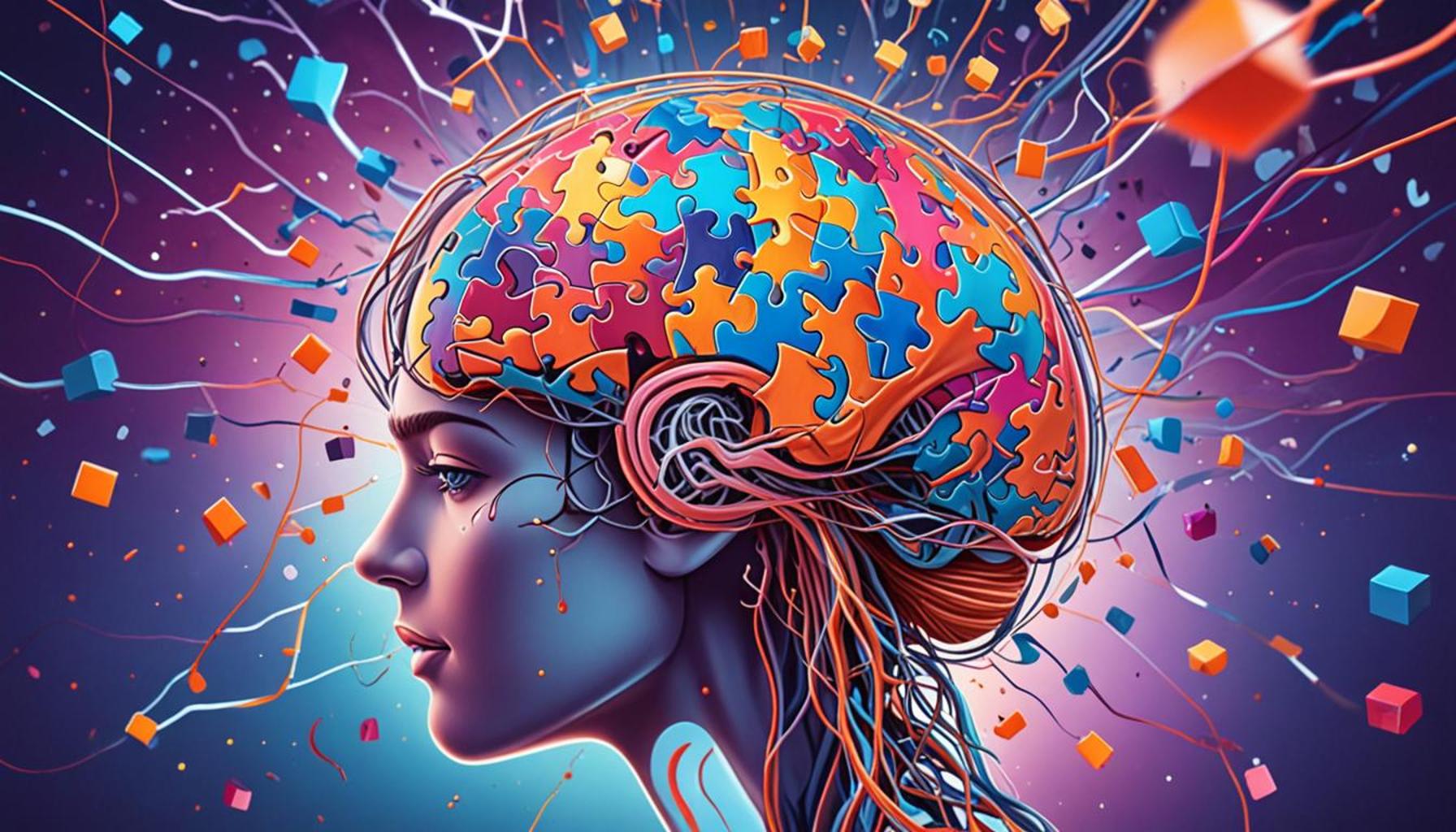
The Logical Enigmas in Popular Culture: How They Influence Movies and Books

Exploring the World of Logical Enigmas
Logical enigmas are more than mere puzzles; they are intellectual challenges that stimulate critical thinking and evoke curiosity. These intricate problems have found a permanent seat in the realm of popular culture, where they permeate various genres, particularly movies and books. Their presence compels audiences to not only engage with the narrative but to unravel the underlying logic that enhances the storytelling experience.
For instance, in mystery novels, authors like Agatha Christie and Arthur Conan Doyle have mastered the art of embedding logical puzzles within their works. Christie’s intriguing plots, such as *Murder on the Orient Express*, invite readers to piece together clues that lead to enlightening yet often unexpected conclusions. Similarly, Doyle’s iconic detective Sherlock Holmes, known for his sharp reasoning and deduction skills, challenges readers to follow his thought process in unraveling crimes.
Impact of Logical Enigmas in Film
Across the film landscape, logical enigmas continue to enthrall audiences. Movies like *Inception*, directed by Christopher Nolan, delve into the complex layers of dreams, creating a narrative that bends the rules of reality. Viewers are urged to question their understanding of time and perception. The intricate plot invites discussions about the very nature of existence, presenting a rich tapestry of ideas that reflect contemporary anxieties about consciousness. Similarly, *The Usual Suspects* showcases a masterclass in storytelling that unfolds through twists and turns, requiring constant attention to detail from its viewers.
Television’s Exploration of Reality and Morality
Television, particularly in series like *Westworld*, pushes the boundaries of logical enigmas, challenging viewers’ perceptions of humanity and morality. The show poses essential questions about free will and the nature of consciousness as it intertwines artificial intelligence with human emotions. Each episode invites the audience to delve deeper into philosophical inquiries, requiring them to confront the ethical implications of technological advancements.
Moreover, the allure of logical puzzles extends beyond mere entertainment; they serve a critical educational purpose. Engaging with these enigmas enhances cognitive functioning and nurtures problem-solving skills. They inspire us to examine our own assumptions and consider alternative perspectives, ultimately enriching our understanding of the world. As we dissect these layers within narratives, we may find reflections of our lives and the complexities we face in reality.

The interplay of logic, emotion, and morality in these stories not only captivates but also resonates long after viewing or reading. By exploring these themes in greater depth, audiences can uncover a wealth of insights. Indeed, the logical enigmas that populate our favorite narratives invite us into a world where curiosity, reflection, and intellectual engagement reign supreme.
DISCOVER MORE: Click here to dive deeper
Logical Enigmas: The Depth Behind Storytelling
In the realm of popular culture, logical enigmas serve as a powerful storytelling device, engaging audiences and encouraging them to think critically. As these complex puzzles thread through both literature and film, they not only elevate the narrative but also shape the way viewers and readers interact with the story. The incorporation of logical problems prompts an active engagement, compelling audiences to decode the intricacies of character motivations and plot developments.
Take, for instance, the rising trend of escape room narratives that have made their mark in both books and films. These plots often center on teams trying to solve riddles and challenges to escape a limiting situation. For example, the film *Escape Room* not only thrills but challenges viewers to solve the riddles alongside the characters, inviting them to become part of the action. Similarly, books like *The Westing Game* by Ellen Raskin weave puzzles into the plot, with the protagonist tasked with deciphering clues left behind by a deceased millionaire. Such narratives not only entertain but also engage critical thinking and deduction skills—an interaction that clearly illustrates the influence of logical enigmas in the storytelling process.
Types of Logical Enigmas in Novels and Films
Logical enigmas can take various forms across novels and films, each type serving to challenge perceptions and spark curiosity. Some types of logical puzzles include:
- Mysteries and Whodunits: These narratives, characterized by an unresolved crime or mystery, require readers to collect clues and draw conclusions, as evident in works like *And Then There Were None* by Christie.
- Philosophical Puzzles: Films such as *The Matrix* invite audiences to question the nature of reality and perception, often leaving them pondering significant existential topics.
- Riddles and Ciphers: Engaging with plots that feature codes, such as Dan Brown’s *The Da Vinci Code*, encourages readers and viewers to confront logic and reasoning directly.
The use of logical enigmas is not merely a narrative gimmick; it reflects broader themes and concerns present in society. For instance, the intricate plots found in popular culture often mirror real-world complexities, such as moral dilemmas and the consequences of choices. In the film *Gone Girl*, viewers experience the unsettling consequences of deceit, prompting them to reflect on the nature of trust and loyalty in relationships. As such, the logical enigmas embedded in these stories invite audiences to confront difficult questions about human nature and societal expectations.
Moreover, these logical puzzles serve to bridge gaps between different mediums. Readers who engage with intricate plots in books may find themselves more invested in the film adaptations and vice versa. This cross-pollination not only enriches the audience’s experience but also demonstrates how logical enigmas resonate across different forms of storytelling.
As we analyze the role of logical enigmas in popular culture, it becomes evident that they play a vital part in shaping both the narratives and the audience’s overall experience. The appeal of logic and reason continues to captivate our imaginations, enabling the exploration of complex themes through engaging stories.
The Role of Logical Enigmas in Character Development
In the realm of storytelling, logical enigmas serve a vital function in shaping characters and their journeys. When characters grapple with puzzles or moral dilemmas, it not only reveals their inner thoughts but also challenges their growth. For instance, in numerous popular films, the protagonists often face decisions that test their ethical boundaries, leading audiences to question their values and beliefs. This narrative device creates a richer character arc, pushing viewers to engage on a deeper emotional level.Furthermore, logical enigmas are frequently employed in thrillers and detective stories to enhance suspense. Think of iconic works like “The Da Vinci Code” where characters encounter elaborate riddles that drive the plot forward. Such enigmas not only intrigue the audience but also offer a glimpse into the protagonist’s intellect and resourcefulness. As viewers piece together clues alongside the characters, it enhances their investment in the story, making the eventual resolution more satisfying.
Logical Enigmas as a Tool for Social Commentary
Beyond character development, logical enigmas in popular culture often serve as a medium for deeper social commentary. Authors and filmmakers utilize these puzzles to pose questions about societal norms, ethical dilemmas, and human behavior. For example, in works like “The Matrix,” the underlying philosophical questions challenge viewers to reflect on reality, free will, and the nature of existence, cleverly concealed within a science fiction narrative. These tangential themes manifested through logical enigmas force audiences to confront uncomfortable truths about their own lives and societies. By embedding such commentary within engaging narratives, creators ensure that audiences remain captivated while simultaneously provoking thought and discussion about important societal issues. Through such explorations, logical enigmas not only entertain but also enlighten, bridging the gap between storytelling and intellectual engagement. Audiences are left to ponder the implications of the enigmas presented, thereby extending the reach of the narrative beyond mere enjoyment into spheres of critical thought and analysis.
DISCOVER MORE: Click here to delve deeper
The Cultural Reflection of Logical Enigmas
Logical enigmas in popular culture are not just about unraveling mysteries; they act as a mirror reflecting societal questions and struggles. By engaging audiences with puzzles and dilemmas, creators compel viewers and readers to grapple with significant issues that resonate with contemporary culture. For example, *Black Mirror*, a series known for its provocative storytelling, frequently incorporates logical enigmas that explore the consequences of technological advancements on human relationships and morality. Each episode acts as a standalone puzzle, inviting viewers to decode the events while intensifying their awareness of real-world parallels.
Moreover, the presence of logical enigmas often aligns with psychological themes, examining how characters deal with fear, anxiety, and moral ambiguity. Movies like *Memento* illustrate non-linear storytelling enriched by complex puzzles that unravel a character’s psyche. The protagonist’s memory loss leads viewers through a maze of logical enigmas, forcing them to piece together narratives that explore identity and truth. This psychological underpinning enhances audience engagement, making the logical puzzles integral to both the plot and the exploration of deeper themes.
The Role of Audience Participation
Today’s narratives not only invite audiences to solve puzzles but also encourage active participation in the storytelling process. Interactive media, including video games and immersive experiences, elevate logical enigmas by allowing players to become protagonists in their odyssey of discovery. Titles like *The Witness*, a first-person puzzle game, challenge players to decipher intricate visual puzzles, effectively transforming the act of gameplay into a meditative exploration of logic and observation.
In literature, works like *House of Leaves* by Mark Z. Danielewski leverage both typographical and narrative puzzles to create a multifaceted reading experience that demands attentiveness and critical engagement. Readers are not merely passive; they must actively engage with the text to understand its enigmatic structures and uncover hidden meanings. This dynamic interaction bridges the gap between reader and story, transforming the narrative into a collective journey of discovery.
- Auditory Puzzles: In films such as *Inception*, the use of sound and music plays a crucial role in guiding audiences through complex logical structures. The rhythmic repetition of themes reflects the narrative’s intricacy and enhances the experience of unraveling the plot.
- Layered Narratives: Shows like *True Detective* exemplify the use of multi-layered storytelling where the audience simultaneously unravels two or more timelines, fostering engagement through a complex web of logical enigmas.
Furthermore, the resurgence of social media has allowed for a vibrant community dialog around logical enigmas in popular culture. Platforms like Reddit and discussion forums foster a culture of sharing theories and interpretations, heightening audience engagement with both literature and film. Such discourse not only enriches the fan experience but also emphasizes that logical enigmas often extend beyond the screen or page, inviting a shared exploration among viewers and readers.
The cultural significance of logical enigmas thus lies not only in solving puzzles but also in the collaborative engagement they inspire. They serve as a thread connecting various aspects of storytelling, reflecting societal complexities while inviting audiences to probe into their own understanding of reality and morality.
DIVE DEEPER: Click here to uncover the fascinating history
Conclusion: The Ongoing Influence of Logical Enigmas
In conclusion, logical enigmas serve as an essential narrative device in popular culture, shaping how stories are told and experienced across various mediums, including movies and books. Their intricate nature not only captivates audiences but also invites them to engage in a deeper discourse on complex themes such as technology, morality, and psychological struggles. Through these enigmas, creators challenge consumers to think critically and reflectively, transforming the act of watching or reading into an interactive puzzle-solving experience.
The integration of audience participation through interactive media further amplifies the impact of these enigmas, inviting fans to dive into immersive worlds where they can actively shape narratives. As social media fosters vibrant discussions, fans can collectively unearth hidden layers of meaning, enhancing their emotional connection to the content. This societal engagement encourages individuals to explore the intricate relationship between reality and fiction, prompting them to consider their interpretations and beliefs in light of the narratives presented.
Ultimately, the enduring legacy of logical enigmas in popular culture highlights their role as more than mere puzzles. They bridge the gap between entertainment and introspection, allowing creators and audiences alike to explore the labyrinthine paths of human experience. As we continue to embrace these logical challenges, we not only enrich our understanding of storytelling but also enhance our comprehension of the complexities of society itself, encouraging a continuous journey of discovery and engagement.