Inclusive Puzzles: Adapting Challenges for People with Disabilities
Innovative Approaches to Puzzle Design for Everyone
Puzzles have long been a cherished form of entertainment, providing both challenge and joy to enthusiasts. However, when considering the wide spectrum of potential puzzle solvers, it becomes evident that traditional puzzle designs often fall short of inclusivity. For too long, individuals with disabilities have been sidelined, unable to fully immerse themselves in the puzzle-solving experience. In an era that champions inclusivity, adapting puzzles to accommodate diverse needs is essential.
Inclusive puzzles can manifest in an impressive array of designs, specifically tailored to tackle accessibility challenges faced by puzzle enthusiasts. Here are some essential features that can make a significant difference:
- Larger pieces are particularly beneficial for individuals with limited dexterity, such as those living with arthritis or other mobility impairments. The added size not only makes handling pieces easier but also enhances the visual appeal, allowing for clearer image recognition.
- High-contrast colors cater to users with visual impairments or color blindness. Utilizing contrasting shades can facilitate easier identification of puzzle pieces, making it less frustrating and more enjoyable to engage with the content.
- Audio clues are a groundbreaking addition, particularly for individuals who rely on auditory stimuli. By incorporating spoken hints or sound cues, designers can create a multi-sensory puzzle experience, allowing problem-solving to be guided not just visually, but through sound as well.
- Customizable difficulty levels provide an opportunity for solvers to choose a challenge that aligns with their cognitive abilities. This flexibility not only accommodates individuals with different skill levels but also fosters a sense of achievement when solving puzzles.
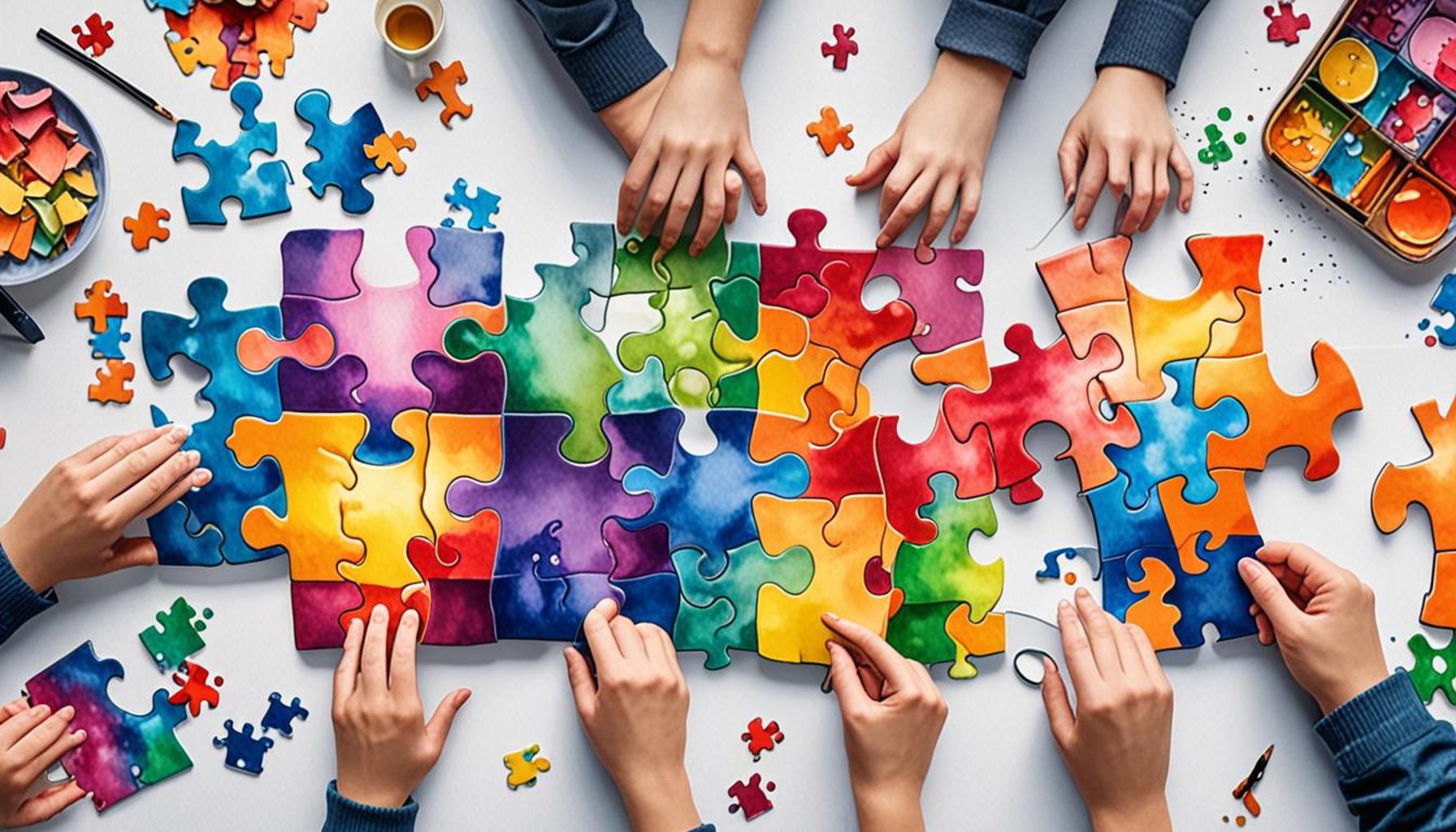
These thoughtful adaptations do more than merely make puzzles more accessible; they foster an environment where every participant can flourish. Ongoing research and innovation in the field highlight the potential of puzzles not only as tools for entertainment but as platforms for social interaction and inclusivity. For instance, community events centered around inclusive puzzles can engage a broader audience, encouraging collaboration and teamwork among diverse groups.
By recognizing and addressing the unique needs of individuals with disabilities, the puzzle community can expand its horizons beyond mere entertainment. This transformation unveils new possibilities for collective engagement, enriching the experience of puzzle solving and promoting active community involvement. As we embrace this inclusive vision, the world of puzzles becomes a mosaic of creativity and connection, inviting everyone to join in the fun. With each innovative puzzle design, we move closer to a truly inclusive society that cherishes the unique contributions of all its members.
LEARN MORE: Click here to discover the cognitive benefits of puzzles

Transforming Challenges into Opportunities
The realm of puzzles is evolving to embrace a broader audience, aiming to create inclusive experiences that are not only enjoyable but also accessible for all individuals, regardless of their abilities. Inclusive puzzles serve as innovative solutions that address the challenges faced by people with disabilities, transforming traditional puzzle concepts into engaging and supportive activities.
One of the most significant advancements in this sector is the incorporation of adaptive technology. For instance, applications designed for tablet devices can provide features that allow users to customize their experience according to their specific needs. This could include adjustable font sizes, color adjustments, and even the ability to select different audio cues that resonate best with the solver. This application of technology ensures that everyone has a tailored puzzle experience that respects their unique preferences and challenges.
A pivotal aspect of creating inclusive puzzles is the emphasis on tactile elements. Many individuals with visual impairments find it beneficial to engage their sense of touch. Puzzles that feature textured pieces or even built-in braille serve not only as a means to solve problems but also create an additional layer of interaction. The use of different materials can enhance the overall experience, making it stand out both visually and sensorially. Consider puzzles that incorporate various surfaces—such as soft, rough, or even moveable parts—that create a multi-dimensional experience, making puzzle-solving a sensory adventure.
Moreover, the realm of educational puzzles has begun to rise in popularity as a means to facilitate learning for various disabilities. These puzzles, often designed for individuals with cognitive impairments, focus on skill development and offer clear instructional guidance. By integrating themes of social skills, emotional recognition, or even problem-solving strategies, these puzzles serve as learning tools that extend beyond mere entertainment, contributing positively to the cognitive journeys of those using them.
To further enhance inclusivity, designers are exploring the concept of community-driven puzzle projects. These projects encourage collaboration between different stakeholders, including puzzle enthusiasts, therapists, educators, and individuals with disabilities. By pooling insights and innovative ideas from diverse perspectives, designers are crafting puzzles that resonate on multiple levels and bring people together. For example, community workshops can be organized where participants can suggest ideas for puzzle designs that cater specifically to their needs. This collaborative approach fosters a sense of belonging and ownership, reflecting the ethos of inclusivity in the puzzle world.
- Adaptive technology: Tailored applications that allow customization for user preferences.
- Tactile elements: The integration of textured pieces and braille enhances interactivity for visually impaired individuals.
- Educational puzzles: Puzzles that support cognitive development and skill-building for those with learning disabilities.
- Community-driven projects: Collaborative puzzle design that emphasizes feedback and input from diverse groups.
As we continue to innovate in the field of puzzle design, it is crucial to understand that inclusivity is not merely an add-on; it is a fundamental necessity in creating an engaging space for everyone. By harnessing technology, tactile components, educational frameworks, and community involvement, the landscape of puzzles is broadening, allowing individuals of all abilities to connect through the shared joy of problem-solving.
| Advantages | Details |
|---|---|
| Inclusivity | Inclusive puzzles cater to a wide range of disabilities, ensuring everyone can participate and enjoy. |
| Cognitive Engagement | They promote cognitive skills, encouraging problem-solving and critical thinking, vital for personal development. |
| Social Interaction | These challenges foster teamwork and communication, breaking down barriers in social settings. |
| Therapeutic Benefits | Engaging in puzzle-solving can alleviate stress, improve focus, and enhance well-being, making it therapeutic. |
Inclusive puzzles are not just games; they represent a movement towards creating accessible experiences for people with disabilities. Through specific adaptations, these puzzles ensure that every individual, regardless of their ability, can engage with and benefit from the challenge. This engagement is pivotal as it contributes not only to entertainment but also to personal growth. As participants decode and solve puzzles, they are effectively enhancing their cognitive capabilities, fostering critical thinking, and improving problem-solving skills—all essential in everyday life.Moreover, these puzzles encourage social interaction, allowing diverse individuals to come together, collaborate, and forge connections. As they share ideas and strategies, they demolish barriers that often exist in traditional social interactions. This is particularly valuable in settings where individuals may feel isolated due to their disabilities.In addition to the cognitive and social benefits, engaging in inclusive puzzles can also yield significant therapeutic advantages. The act of concentrating on a task can help reduce anxiety, improve focus, and promote overall well-being, offering a holistic approach to adaptation and inclusion in leisure activities. Through exploring these facets of inclusive puzzles, one uncovers fertile ground for discussion on how adaptive leisure activities can alter the landscape of accessibility, leading to richer, more fulfilling experiences for all.
DISCOVER MORE: Click here for insights on critical thinking
Bridging Gaps Through Design Innovation
In the quest for inclusive puzzles, the role of design cannot be overstated. Innovative approaches that incorporate universal design principles are essential in creating puzzles that are easily accessible to everyone. These principles advocate for designs that are universally adaptable, meaning they can be enjoyed by individuals with varying abilities without requiring special modifications. For example, puzzle pieces that come in different shapes and sizes can make it easier for individuals with motor impairments to engage with the activity. Such well-thought-out designs ensure that puzzles foster not just individual engagement but collective involvement.
Another notable feature gaining traction in the world of inclusive puzzles is the incorporation of visual and auditory storytelling. Puzzles that unveil narratives through illustrations or accompanying audio clips create layered experiences that cater to different learning styles and abilities. This approach not only aids in comprehension but also keeps users engaged through storytelling elements. For instance, a puzzle featuring a famous historical event could include sound bites or voiceovers that provide context, enriching the educational aspect for users who may have difficulty reading. Stories embedded within puzzles can also create a deeper emotional connection, rendering the experience more meaningful.
To address learning disabilities specifically, there is a growing trend towards creating adaptive puzzles that utilize gamification techniques. By transforming standard puzzles into interactive games, designers can create a sense of achievement and motivation. Features such as timers, scoreboards, or accomplishment badges can add an element of fun while also reinforcing learning outcomes. For instance, an educational math puzzle could reward players with stars or points for correct answers, thus promoting a playful atmosphere that encourages repeated engagement and practice—ideal for individuals with challenges in traditional learning environments.
One illuminating example of the impact of inclusive puzzle design is the nonprofit organization Access Puzzles, which specializes in creating puzzles tailored specifically for people with disabilities. They have successfully created a wide array of puzzles that span different themes and difficulty levels, focusing heavily on tactile and visual enhancements. Their work exemplifies how inclusive design can foster greater participation and representation, making puzzles accessible to segments of the population that often feel overlooked. Workshops by organizations like Access Puzzles not only develop new puzzle ideas but also serve as platforms for feedback from individuals with disabilities, ensuring the design process remains user-centered.
The importance of collaboration extends beyond community-driven projects; partnerships with educational institutions also play a pivotal role in driving innovation. Universities with special education programs often engage in research and development of inclusive puzzle designs, utilizing insights from both professors and students. Such collaborations can lead to cutting-edge concepts rooted in the latest educational methodologies. This synergy enables the development of puzzles that not only entertain but also empower individuals with special needs.
- Universal design principles: Emphasizing accessibility for all without special modifications.
- Visual and auditory storytelling: Adding layers of narrative to engage users effectively.
- Gamification techniques: Transforming puzzles into interactive games to promote learning and motivation.
- Collaborations with organizations: Partnership with groups like Access Puzzles to ensure user-centered designs.
- Academic partnerships: Universities play a crucial role in research and innovation for inclusive puzzles.
As the puzzle landscape becomes increasingly aware of the diverse needs of its audience, it is clear that the future lies in innovative, adaptive, and collaborative approaches. Emphasizing inclusivity through thoughtful design resonates deeply, ensuring that everyone can partake in the joys of puzzling, regardless of their abilities or preferences.
DISCOVER MORE: Click here to delve into effective memory-boosting strategies
Shaping a Collaborative Future
In conclusion, the evolution of inclusive puzzles signifies a transformative approach toward engaging a diverse population, particularly individuals with disabilities. Through innovative design principles, such as universal accessibility and gamification techniques, creators have opened doors to inclusive recreational and educational experiences. The integration of visual and auditory storytelling not only enhances user engagement but also fosters emotional connections that enrich the puzzling experience.
Organizations like Access Puzzles exemplify the positive impact that focused efforts can make in this domain. Their work emphasizes the importance of collaboration with users to ensure the designs resonate with their specific needs, showcasing the power of community feedback in shaping products that are genuinely accessible. Furthermore, partnerships with educational institutions enhance the innovative process, blending academic insights with real-world applications to create puzzles that are not just entertainment but also meaningful learning tools.
Moving forward, the puzzle industry must continue to embrace an inclusive mindset, recognizing that accessibility benefits everyone. As we reimagine the landscape of puzzles, the potential for collective enjoyment and lifelong learning stands at the forefront. By prioritizing adaptability and empathy in design, we pave the way for a future where the joy of puzzling is genuinely accessible and enriching for all. It’s an exciting time for innovation in this field, inviting everyone to solve the puzzles of life together.