Puzzle Challenges and Mental Health: Strategies to Alleviate Stress and Anxiety
The Power of Puzzles in Enhancing Mental Resilience
In the hustle and bustle of modern life, individuals frequently find themselves navigating through stressors that can impact both mental and emotional well-being. From demanding work schedules to personal responsibilities, it’s no wonder that finding effective coping mechanisms is a top priority for many. One surprisingly beneficial solution lies in the realm of puzzle challenges. More than merely a pastime, engaging with puzzles can serve as a vehicle for fostering mental clarity and relaxation.
Research supports the favorable impact of puzzle-solving activities on mental health. Engaging with different kinds of puzzles offers multifaceted benefits to individuals seeking to elevate their mental resilience. Below are notable advantages backed by studies and anecdotal evidence:
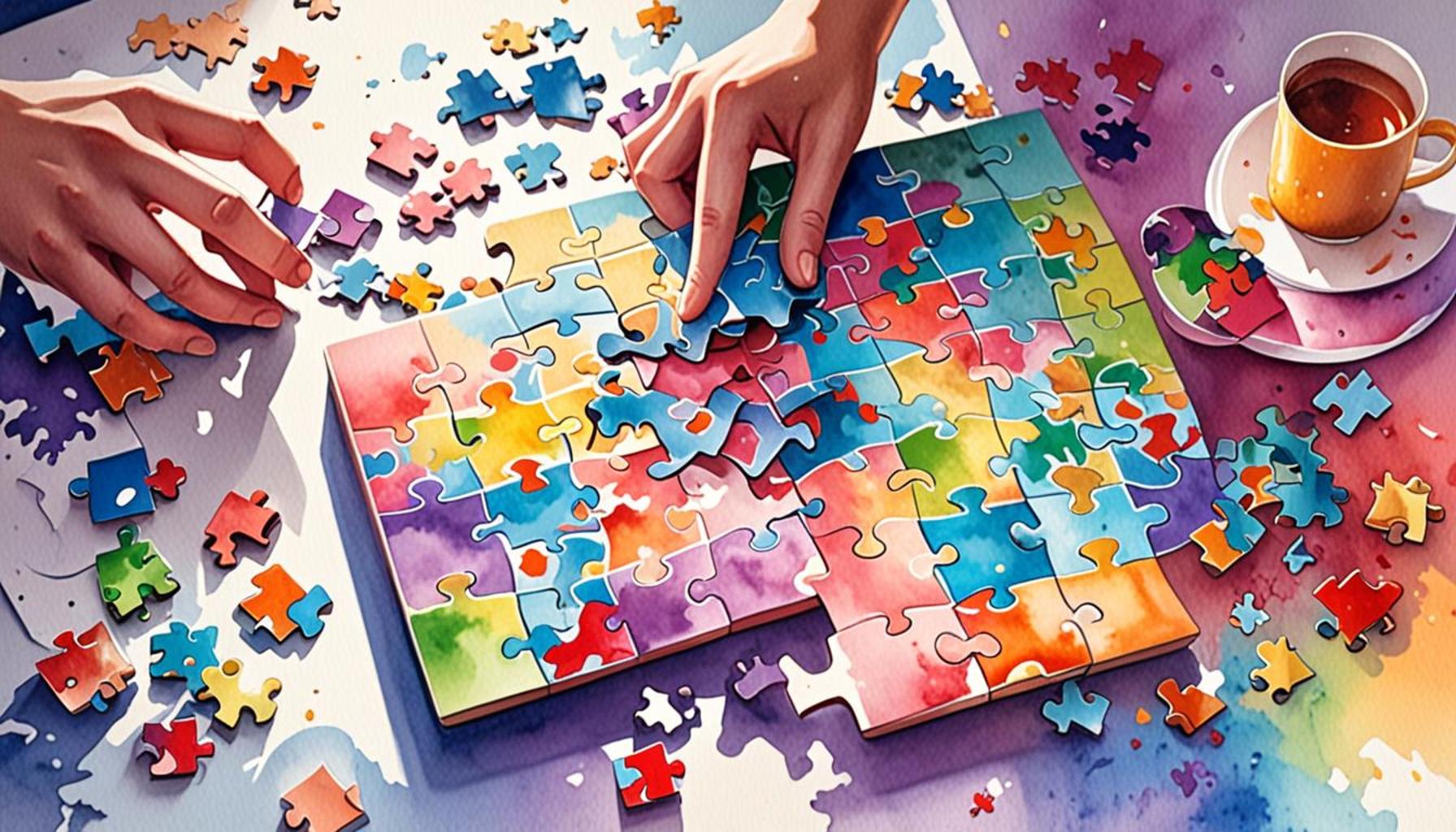
- Enhanced Focus: Solving puzzles requires a significant level of concentration, effectively redirecting the mind away from worry and anxiety. For example, when engrossed in a jigsaw puzzle, the brain becomes absorbed in fitting pieces together, thus promoting a state of flow where external stressors fade into the background.
- Cognitive Stimulus: Activities like crossword puzzles, sudoku, and cryptogram challenges stimulate cognitive functions. These tasks not only exercise memory but also enhance critical thinking skills. Studies have shown that regularly engaging in such puzzles may decrease the risk of cognitive decline as individuals age, making them an excellent choice for maintaining mental acuity.
- Mindfulness Opportunity: Engaging in puzzles provides a unique chance for mindfulness—a mental state characterized by awareness and presence. As individuals immerse themselves in puzzle-solving, they often experience a reduction in stress levels, akin to the effects of meditation. This not only encourages relaxation but also promotes a clearer, more focused mindset.
The beauty of puzzle challenges lies in their versatility; they can be easily integrated into one’s daily routine. Whether you dedicate a few minutes in the morning to a crossword puzzle or unwind in the evening by assembling a jigsaw, these activities can be both enjoyable and therapeutic. Moreover, with the rise of mobile applications, there are now countless puzzle variations available at your fingertips, making it simpler than ever to incorporate them into your life.
Ultimately, the straightforward act of solving puzzles can lead to profound benefits for mental health. Greater clarity, enhanced cognitive function, and reduced anxiety are just some of the rewards awaiting those who make puzzling a regular part of their lives. Given the ongoing challenges individuals face, embracing puzzle challenges as a tool for mental well-being may pave the way for a healthier and more balanced lifestyle.
DISCOVER MORE: Click here to unlock new strategies
Unlocking the Therapeutic Benefits of Puzzles
Puzzles are not just entertaining; they hold the potential to significantly enhance mental health and provide a refuge from the chaos of daily life. With mental health issues on the rise, especially in the United States—where anxiety disorders affect nearly 20% of adults—finding effective strategies to combat stress has become critical. Engaging in puzzle challenges can be an empowering way to not only unwind but also to cultivate resilience against overwhelming emotional burdens.
One of the most compelling reasons to consider puzzles in one’s wellness routine is their impact on stress reduction. When individuals focus on placing a jigsaw piece or solving a crossword, they enter a temporary escape from their anxiety-laden thoughts. This kind of mental diversion allows for a reprieve from constant worry, which can spur a greater sense of calm. Neuroscientific studies suggest that this focus can lead to the release of dopamine, a neurotransmitter associated with feelings of pleasure and satisfaction. Consequently, regular puzzle engagement may facilitate a more positive mood and lower anxiety levels.
Furthermore, puzzle challenges can serve as an excellent platform for social connection. Whether it’s gathering with friends to tackle a large jigsaw puzzle or competing in online crossword competitions, the collaborative aspect of puzzle-solving fosters social interaction. This is particularly important in a world where social isolation has been a growing concern, significantly impacting mental health. The shared experience of solving puzzles can initiate conversations, build relationships, and create a sense of community, all of which are vital for emotional well-being.
Another key advantage of puzzles is their role in enhancing problem-solving skills. The complexity involved in many puzzles—be it identifying patterns in sudoku or deciphering clues in a cryptic crossword—teaches individuals to think critically and approach problems with a structured mindset. This problem-solving mindset is transferable to real-life challenges. By developing resilience through puzzle-solving, people are often better equipped to face both minor stressors and significant life obstacles.
To experience the full spectrum of mental health benefits that puzzles can offer, consider embracing a variety of puzzle types. Here are a few options worth exploring:
- Jigsaw Puzzles: Encourages visual-spatial reasoning and patience.
- Crossword Puzzles: Enhances vocabulary and knowledge while stimulating cognitive function.
- Sudoku: Improves logical reasoning and critical thinking abilities.
- Logic Puzzles: Builds analytical skills and challenges the mind.
By intentionally incorporating these engaging activities into daily routines, individuals can establish a fulfilling hobby that not only provides entertainment but also enriches emotional health. As you explore the multifaceted world of puzzles, remember that every challenge completed can lead to a clearer, calmer mind.
| Category | Details |
|---|---|
| Cognitive Engagement | Engaging in puzzles stimulates the brain, enhancing cognitive functions. |
| Mental Relief | Puzzle-solving serves as a distraction, redirecting focus away from stressors. |
| Social Interaction | Group puzzles foster connections, improving emotional well-being. |
| Skill Development | Puzzle challenges encourage the development of problem-solving abilities. |
Exploring the topic of puzzle challenges as a strategy for mental health reveals numerous advantages. First, engaging in puzzles provides significant cognitive engagement. This activity stimulates neuroplasticity in the brain, which can enhance memory and critical thinking skills. Additionally, completing puzzles can be a form of mental relief as it allows individuals to immerse themselves in complex challenges, directing their attention away from stressors and anxieties.Moreover, puzzles can be a medium for social interaction. Whether working with friends or family or engaging in community puzzle gatherings, these activities provide a sense of belonging, which can significantly elevate one’s emotional state. Furthermore, regularly solving puzzles contributes to the acquisition of new skills and enhances existing ones, particularly in problem-solving and analytical thinking.The intricate world of puzzles not only offers entertainment but also stands as a viable strategy to alleviate stress and anxiety. Therefore, diving deeper into how these challenges influence mental health opens pathways for personal growth and wellness exploration.
DISCOVER MORE: Click here to learn how puzzles enhance your problem-solving skills
Engaging the Mind: The Diverse Dimensions of Puzzle Solving
As we delve deeper into the intersection of puzzles and mental health, it’s important to recognize that the benefits extend beyond mere relaxation and social interaction. When considering puzzle challenges as a strategy to alleviate stress and anxiety, one must also account for their cognitive benefits, which play a crucial role in overall mental wellness.
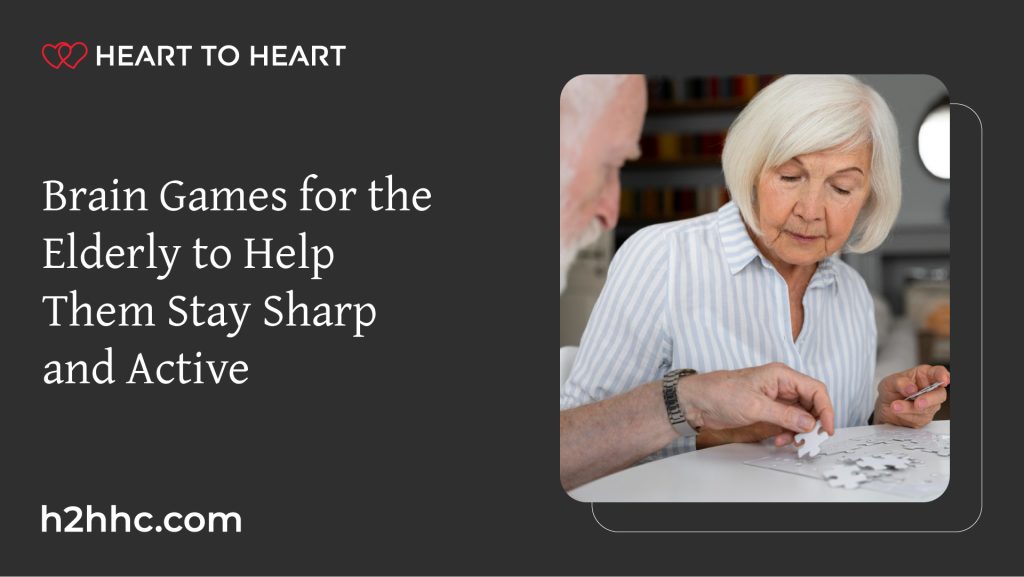
Research has shown that engaging in mentally stimulating activities, such as puzzle-solving, can potentially reduce the risk of cognitive decline as we age. According to a study published by the Journal of the American Geriatrics Society, older adults who frequently engage in puzzles and brain games experience slower rates of cognitive deterioration compared to those with less engagement. This suggests that incorporating puzzles into a daily routine not only acts as a temporary distraction from stress but also may fortify cognitive resilience over time.
The Mechanics of Focus and Mindfulness
Puzzles inherently demand a level of concentration that encourages mindfulness, a mental state that has been widely recognized for its ability to reduce anxiety and promote emotional regulation. When individuals delve into a jigsaw puzzle or a complex crossword, they channel their attention away from spiraling thoughts and into the present moment. This practice of mindfulness is essential in combating the fast-paced, often overwhelming nature of modern life.
For instance, in a world overflowing with distractions—from constant notifications to overwhelming responsibilities—puzzle-solving offers an opportunity to “switch off” external noise and reconnect with one’s thoughts. Psychological research emphasizes that mindfulness can decrease the symptoms of anxiety and depression. As people engage in puzzles, they might find that their capacity to manage stressors improves significantly, fostering a healthier mental state.
The Role of Routine in Mental Fortification
Integrating puzzles into daily life can create a structured routine, which is vital for maintaining mental health. A consistent approach to puzzle-solving equips individuals with coping strategies that they can lean on during moments of stress. For those grappling with anxiety, having a set time each day to engage in puzzles can provide a comforting sense of normalcy. This routine not only creates reliable downtime but also reinforces the idea of personal accomplishment as each puzzle completed becomes a source of pride.
In fact, many mental health professionals recommend incorporating puzzle time as part of one’s self-care regimen. Merging puzzle-solving with another relaxing activity, such as enjoying a cup of tea or listening to calming music, can amplify its therapeutic effects. This creates a multi-sensory experience that enhances relaxation, making the process even more effective in alleviating anxiety.
Online Puzzles: A Community Connection
The rise of technology has also made puzzle-solving more accessible than ever. Online platforms offer a plethora of puzzles that can be solved collaboratively with others across the globe. This not only amplifies the social aspect but also encourages the sharing of strategies and solutions, enriching the experience. Whether participating in virtual escape rooms or interactive puzzle-solving apps, individuals can engage with a community that supports one another in their shared quest for relaxation and mental clarity.
Furthermore, many mental health apps incorporate puzzle-based activities as a tool for users to manage their anxiety levels better. These digital platforms serve dual purposes—providing engaging content and promoting behavioral techniques rooted in cognitive-behavioral therapy. Thus, as mental health awareness continues to grow, so does the innovative application of puzzles in the realm of emotional wellness.
As individuals explore this multifaceted approach to puzzle challenges, it becomes clear that engaging with puzzles not only stimulates the brain but also serves as a critical tool for managing stress and anxiety in daily life.
DISCOVER MORE: Click here to learn about the cognitive benefits of puzzles
Conclusion: Embracing Puzzles for Mental Wellness
In summary, the intricate relationship between puzzle challenges and mental health presents an innovative pathway to alleviate stress and anxiety in our daily lives. By harnessing the cognitive benefits of puzzles—such as enhancing focus, promoting mindfulness, and fostering a structured routine—individuals can cultivate a supportive environment for their mental well-being. The rise of technology further amplifies the accessibility of puzzles, offering virtual platforms that unite communities in shared problem-solving experiences, thereby enriching social connections that are crucial for emotional support.
Furthermore, as mental health professionals increasingly recommend puzzle-solving as a vital part of self-care, it becomes evident that integrating these activities can fortify resilience and improve coping mechanisms amidst life’s challenges. Combining puzzle time with relaxing rituals, such as enjoying a warm beverage or listening to soothing music, creates a holistic experience that maximizes the therapeutic effects and offers individuals a much-needed reprieve from anxiety.
As we navigate the complexities of modern life, embracing puzzle challenges not only serves as an engaging mental exercise but also stands as a formidable strategy in the continual journey toward emotional wellness. Encouraging further exploration into this fascinating intersection could inspire individuals to discover personal insights and fulfilling practices that ultimately enhance their quality of life. Whether an avid puzzler or a curious newcomer, the myriad benefits awaiting those who engage with puzzles are undeniably compelling, making this an area ripe for further investigation and appreciation.