The History of Puzzles: From Ancient Traditions to Modern Skills
The Fascinating Evolution of Puzzles
Puzzles have captivated the human imagination for centuries, serving not just as entertainment but also as a means to stimulate cognitive abilities and foster social interaction. Their history is diverse and remarkably rich, spanning several cultures and eras. This exploration reveals how puzzles have transformed over time, reflecting societal changes and technological advancements.
Ancient Origins
The roots of puzzles can be traced back to ancient Egypt and Mesopotamia, where people enjoyed riddles and problem-solving games. The famous Egyptian hieroglyphs include various depictions of puzzles that challenge the intellect. For example, the riddle of the Sphinx which posed a deadly question to travelers has become a landmark story in literature. Similarly, Mesopotamian artifacts reveal early forms of logical thinking through their depiction of games that required strategic planning and problem-solving. These early puzzles laid the foundational groundwork for what we recognize today.
Mathematical Challenges
As civilization progressed, Greeks and Romans took puzzle-making to new heights, indulging in logical games and mathematical enigmas. Thinkers like Euclid and Archimedes were not only philosophers and mathematicians but also creators of complex puzzles that tested spatial reasoning and logic. The Greeks developed the concept of magic squares, allotting numbers such that they equaled the same sum in every direction—a precursor to modern puzzle types that require pattern recognition and critical thinking.
Modern Development
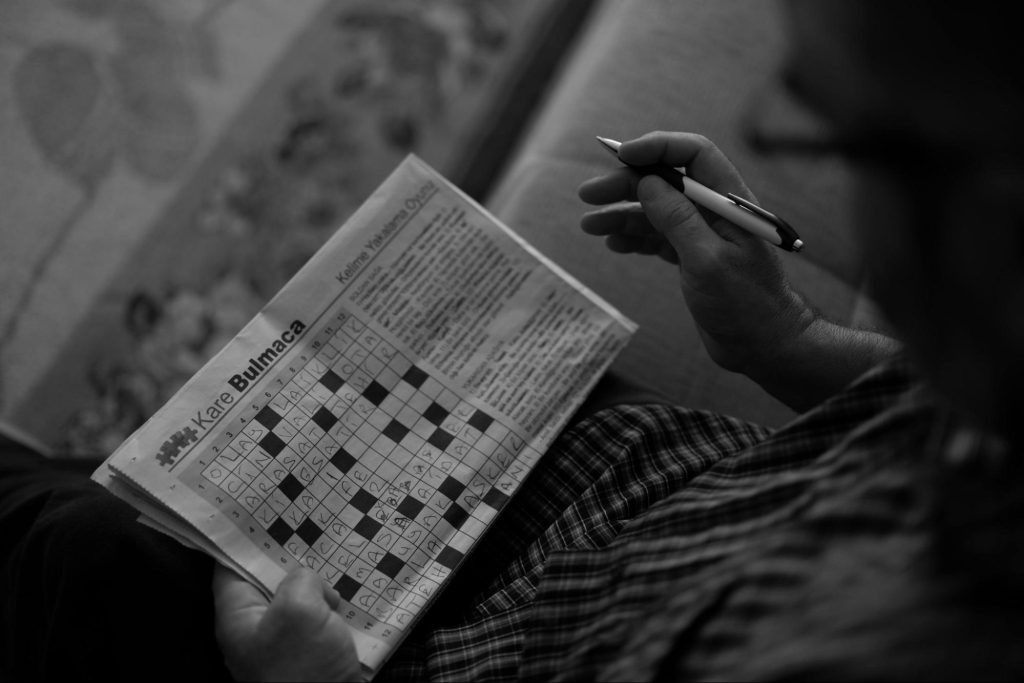
The 20th century marked a revolution in the world of puzzles, primarily with the advent of mass manufacturing. The birth of the jigsaw puzzle in the 1760s made it a household staple, while the crossword puzzle, popularized in the early 1900s, underwent remarkable evolution to become a daily ritual for many Americans. It not only offered entertainment but fostered a sense of community through shared knowledge and collaboration. Additionally, Sudoku emerged in the 1980s and exploded in popularity in the United States in the early 2000s, captivating a new generation with its numerical challenge.
Puzzles are a universal language of challenge and amusement, cutting across cultural lines and entering the digital realm with online platforms and mobile applications. Whether it’s the intricate wooden puzzles of Asia or the engaging crosswords in American newspapers, the appeal of solving puzzles resonates worldwide. By delving into the rich tapestry of puzzle history, we can better appreciate the cognitive skills they develop, from problem-solving and logical reasoning to patience and teamwork.
As we continue to explore this fascinating domain, the intersection of ancient wisdom and modern innovation remains a compelling narrative. The enduring popularity of puzzles invites us to reconsider their role in personal development and social interaction in today’s rapid-paced world.
DISCOVER MORE: Click here to dive deeper
Puzzles Across Cultures and Eras
The journey of puzzles does not merely reflect the evolution of entertainment; it encapsulates the intellectual growth and creativity of various civilizations. As we delve deeper into the history of puzzles, it is clear that they have taken many forms, often mirroring the cultures from which they originate. From the simplistic riddles of ancient societies to the intricate games played in modern cafes, the appetite for puzzles has remained a consistent thread throughout human history.
The Riddle of the Ages
Riddles, a cornerstone in the realm of puzzles, have served as tools for both education and engagement across different societies. In ancient Greece, for example, riddles were not just a pastime but a means of imparting wisdom and spiritual guidance. Consider the famous riddle of the Sphinx, which challenged Oedipus, representing a blend of myth and moral teaching. The Greeks also paved the way for philosophical discourse through riddles, using them to provoke thought and self-reflection.
As we turn our focus to the East, specifically in ancient China, puzzles took a more tangible form. The first known jigsaw puzzles can be traced back to the Chinese, who created wooden dissection puzzles for educational purposes. These not only challenged the solver’s ability but also provided insight into anatomy and geography, highlighting how puzzles served practical purposes beyond mere amusement.
The Renaissance of Puzzles
The Renaissance era saw a resurgence in puzzle popularity, especially in Europe. The invention of the printing press in the 15th century made it easier to disseminate puzzle books, creating a burgeoning market for puzzle enthusiasts. During this time, word puzzles gained traction, with constructed letter- and word-play challenges capturing the imaginations of many. Among them, the acrostic puzzle made a notable entrance—whereby the first letters of each line or stanza created a word or phrase, stimulating both creative writing and critical thinking.
Types of Puzzles Through Time
From the ancient riddles to modern puzzles, various types emerged that have endured across generations. Here are some categories that highlight the diversity in puzzle-making:
- Riddles: Short and often whimsical, these puzzles challenge the mind and require lateral thinking.
- Logic Puzzles: These demand structured problem-solving skills, often involving sequences, patterns, and deductive reasoning.
- Mathematical Puzzles: Engaging those with strong numeracy skills, these include everything from magic squares to complex equations.
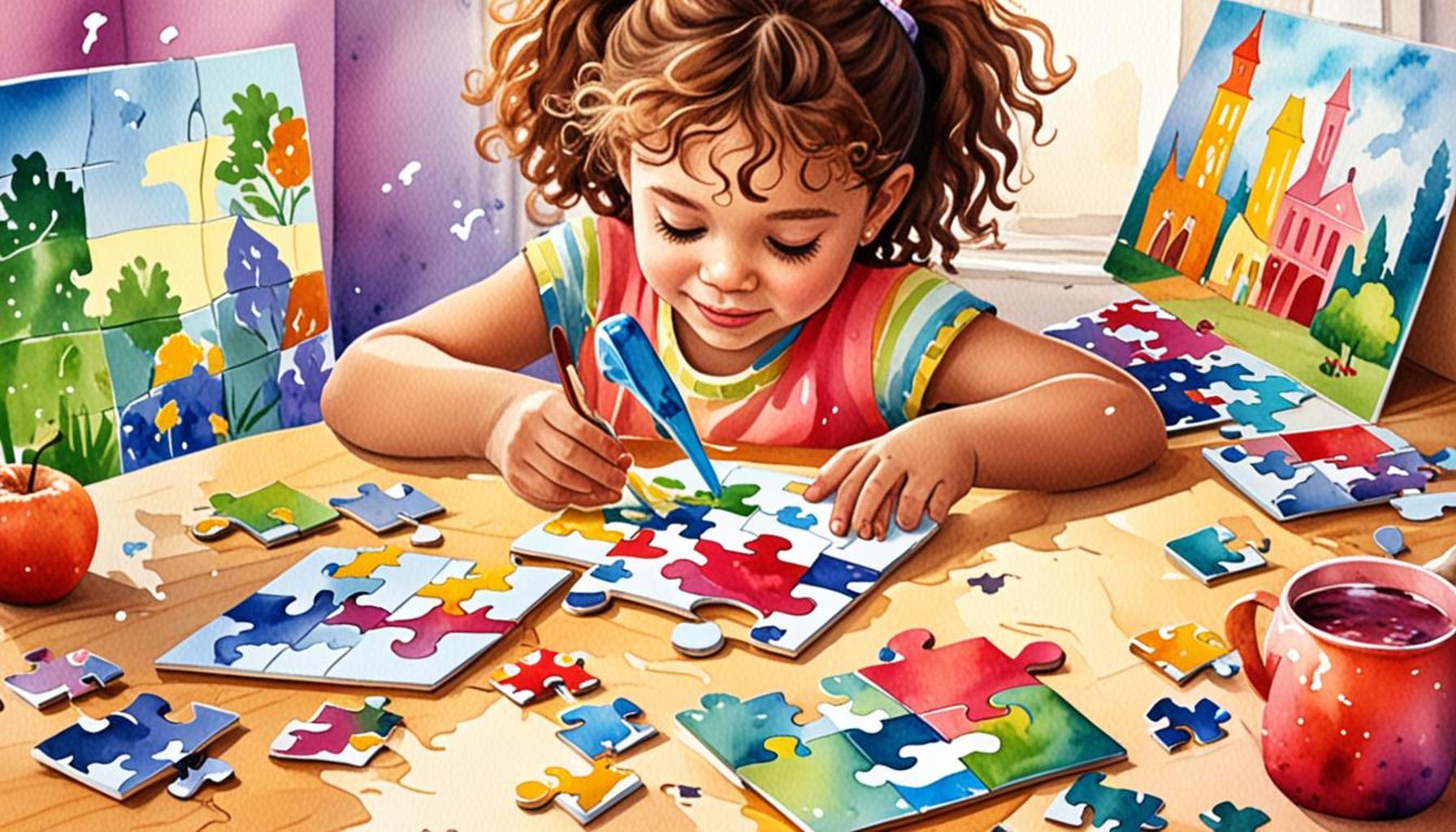
- Jigsaw Puzzles: These tangible puzzles, crafted from various materials, invite hands-on interaction and visualization.
- Crosswords: Stimulating language and knowledge, they have become a daily ritual for many, especially in America, integrating popular culture and trivia.
The enduring nature of these puzzle types underlines their relevance in our daily lives and interactions; puzzles evolve, yet the basic human desire to solve, learn, and connect remains unchanged. The fascinating undulation through history continues to inform us on current puzzle trends and their applications in enhancing cognitive skills.
As we explore the progression of puzzles into the modern era, it becomes apparent that technological advancements have opened new avenues for their development, continuing an age-old tradition of stimulating the mind in innovative ways.
The Evolution of Puzzles Across Cultures
The history of puzzles is a captivating journey that intertwines with cultural traditions, educational practices, and human creativity. Puzzles have served as more than just a source of entertainment; they have been essential tools for mental acuity throughout history. In ancient China, for example, puzzles were intricately linked with philosophical teachings and were often used to challenge scholars. The iconic Chinese Tangram emerged during the Song Dynasty, symbolizing the blend of art and logic.Similarly, in ancient Greece, the famous mathematician Archimedes inspired the creation of mechanical puzzles that stirred curiosity and fostered problem-solving skills. The word “puzzle” itself is derived from the Old French “pousser,” meaning “to push,” which connects to the physical nature of many puzzles we know today. As we move into the Middle Ages, riddles and logical challenges became widespread in manuscripts, promoting literacy and critical thinking. This era opened avenues for the development of mathematical puzzles, such as the “Magic Square,” reflecting a deeper understanding of numbers and their relationships.In the modern era, the surge of technology has transformed traditional puzzles into digital experiences. Video games and mobile apps now capture the intrigue of puzzle-solving, allowing players to connect globally while honing their skills. From classic crossword puzzles in newspapers to complex escape room challenges, the evolution of puzzles continues to resonate with the quest for knowledge, creativity, and community.
The Scientific Benefits of Engaging with Puzzles
Engaging with puzzles provides numerous cognitive benefits that stretch beyond mere amusement. Studies indicate that solving puzzles can enhance memory, improve problem-solving abilities, and even delay cognitive decline as we age. Moreover, the practice of tackling different types of puzzles—whether it be jigsaws, crosswords, or Sudoku—cultivates critical thinking and promotes strategic planning. As the brain navigates various challenges, it strengthens neural connections and fosters a mindset geared towards innovation and critical analysis.In addition, puzzles can serve as practical educational tools. For educators, incorporating puzzles into lesson plans can make learning more interactive and enjoyable. This method not only captivates students’ attention but also fosters a collaborative learning environment. When students work together to solve puzzles, they develop crucial social skills and foster a sense of community in educational settings.The allure of puzzles is undeniable, transcending cultures and time periods, and their benefits extend far beyond entertainment. By embracing the rich history and multifaceted advantages of puzzles, we open the door to a world of knowledge and creativity that continues to evolve. These fascinating enigmas encourage us to think differently, strategize uniquely, and engage with one another in innovative ways.
| Category 1 | Category 2 |
|---|---|
| Cognitive Benefits | Enhances memory and problem-solving abilities |
| Educational Tools | Encourages interactive learning and teamwork |
DISCOVER MORE: Click here to uncover the benefits of brain teasers
Puzzles and the Digital Revolution
As the world transitioned into the 21st century, the impact of the digital revolution was unavoidable, reshaping the landscape of puzzles and their evolution. With the advent of technology, puzzles evolved from physical formats into digital realms, expanding accessibility and engagement for a global audience. This transformation not only modernized the way puzzles are created and solved but also diversified the types of puzzles available, catering to various interests and skill levels.
The Rise of Online Puzzles
Online platforms began to provide a plethora of puzzles ranging from crosswords to logic games, engaging millions worldwide. Websites dedicated to puzzles, like New York Times Crossword and Sudoku.com, transformed traditional puzzles into interactive experiences. These platforms have revolutionized how enthusiasts participate in daily challenges, allowing for instantaneous access to new puzzles and the ability to compete with others.
Moreover, the integration of social media allowed solvers to share their achievements and challenge friends, birthing a new form of community engagement. Puzzle competitions, both virtual and physical, became increasingly popular, with events like the World Puzzle Championship showcasing not just individual skills but also national pride.
Mobile Applications and Gamification
The rise of mobile technology played a pivotal role in the renaissance of puzzles. Applications that featured everything from simple games to complex brain teasers introduced the concept of gamification. Apps like Words With Friends and The Room intertwine gaming elements with puzzles, making them more appealing to younger audiences. This interactivity has fostered a culture of problem-solving as a form of entertainment, where users actively engage in cognitive challenges during their daily commutes or leisure time.
Additionally, these mobile applications often give users the ability to track their progress, compete for high scores, and even earn rewards, further enhancing motivation and engagement. With real-time analytics and feedback, players can witness their improvement and refine their skills over time, thus fostering a deeper appreciation for the art of puzzle-solving.
The Role of Artificial Intelligence
The infusion of artificial intelligence into the world of puzzles has unlocked new possibilities for both puzzle creation and gameplay. AI algorithms, designed to solve complex problems, can generate challenging yet solvable puzzles—increasing the difficulty level to match the solver’s capabilities while ensuring a stimulating experience.
Furthermore, AI-driven platforms personalize puzzles for users; by analyzing individual solving habits and preferences, they create tailored challenges that continually adapt to enhance engagement. This personalized approach not only helps in honing specific skills but also enriches the solving experience, making it more fulfilling.
Puzzles in Education and Cognitive Development
The modern era has also seen a renewed interest in using puzzles as educational tools. Educators have recognized their potential for enhancing critical thinking and problem-solving skills among students. Puzzles such as Rubik’s Cube and team-based games challenge learners to think creatively and develop strategies collaboratively.
- Educational Games: Tools like Kahoot! utilize gamified quizzes to stimulate learning, employing puzzles to make education more interactive and enjoyable.
- Math and Logic Puzzles: These are incorporated into curricula to bolster quantitative and logical thinking, often serving as effective supplementary learning methods.
- Physical Puzzles: Even tactile puzzles like jigsaws have found their place in classrooms, promoting teamwork and spatial awareness among participants.
This incorporation of puzzles into various educational frameworks underscores their significance not just as a source of entertainment but as essential tools for fostering mental agility in learners of all ages and backgrounds.
DISCOVER MORE: Click here to dive deeper
Conclusion: The Enduring Allure of Puzzles
The journey through the history of puzzles reveals a fascinating evolution marked by innovation, creativity, and cultural significance. From the ancient riddles and mechanical enigmas of early civilizations to the sophisticated digital formats we engage with today, puzzles have transcended time and technology to captivate the human mind. As we explored, puzzles serve not only as entertainment but also as tools for education, enhancing cognitive abilities and fostering critical thinking skills across generations.
The digital revolution has further transformed the way we connect with puzzles, ushering in an era of online platforms and mobile applications that have made puzzle-solving accessible to a global audience. These advancements allow for personalized and engaging user experiences that draw in both young and old, knitting a fabric of community among enthusiasts. The rise of artificial intelligence has not only redefined creative boundaries in puzzle design but also tailored challenges to individual abilities, promoting a deeper appreciation for problem-solving.
As we continue to adapt puzzle formats to fit modern lifestyles, it is essential to recognize their roots in ancient traditions that have paved the way for today’s mesmerizing complexities. Moving forward, whether it’s through physical games or innovative apps, the enduring allure of puzzles lies in their ability to challenge our minds and bring people together. As we embrace this timeless pastime, we are reminded of its power to entertain, educate, and inspire generations to come.