Puzzle and Mindfulness Challenges: How Playing Can Calm the Mind
The Tranquil Power of Puzzles and Mindfulness Activities
Acknowledging the frenetic pace of modern life is essential for understanding how we seek solace and calm. As our schedules become increasingly packed with obligations and distractions, our minds often race with thoughts of work, family, and countless responsibilities. To combat this overwhelming state, individuals are turning to surprising yet familiar solutions: puzzles and mindfulness challenges. These activities not only function as engaging pastimes but also act as therapeutic tools that provide considerable mental health advantages.
Participating in mindful play offers a variety of significant benefits, allowing individuals to embark on a journey toward mental peace:
- Reduce stress. Engaging with a jigsaw puzzle can momentarily transport an individual away from their anxieties. The simple act of focusing on fitting pieces together can offer a much-needed mental break, effectively diminishing daily tension.
- Enhance concentration. Encountering the complex patterns of a jigsaw puzzle or meticulously calculating moves in a game of chess can lead to sharper cognitive functions. Studies show that these activities require sustained attention, which can help improve focus over time, making it easier to tackle challenging tasks in our daily lives.
- Encourage relaxation. The repetitive motions involved in solving puzzles create a sense of rhythm that closely resembles meditation. This decreases heart rates and calms the respiratory system, leading to an overall feeling of relaxation.
Research supports the idea that leisure activities, especially puzzles, can activate the brain’s capacity for mindfulness, which promotes overall well-being. By allowing ourselves to slow down and immerse completely in the task at hand, we gain insight into our thoughts and feelings, transforming ordinary play into an enriching self-care practice. With the proliferation of smartphone applications and online platforms, these soothing activities are now more accessible than ever, inviting people from all walks of life to explore their calming nature.
The Link Between Mindfulness and Puzzles
Curious about how precisely these seemingly simple activities foster mental peace? Let’s explore the captivating relationship between puzzles and mindfulness further. Studies have shown that immersing oneself in puzzles can mirror meditation practices, enabling individuals to declutter their minds and focus their energies. Games such as Sudoku or crossword puzzles engage problem-solving skills and foster creative thinking, critical components for mental agility.
Moreover, culturally relevant examples abound within the United States. From family game nights featuring wooden jigsaw puzzles to vibrant app-based crossword competitions, the normalization of these activities promotes their benefits widely. Whether it’s with friends, family, or solitary exploration, there’s a sense of community and connection that emerges from puzzling together—a vital aspect of emotional health in today’s connected yet isolated world.
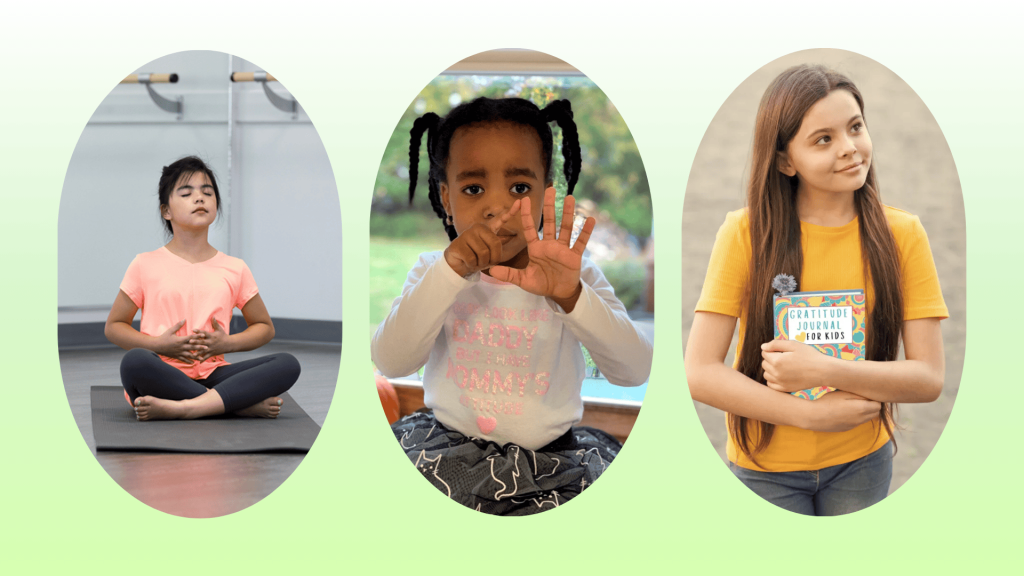
All in all, integrating these intellectually stimulating pastimes into daily routines can profoundly impact mental health and wellbeing, allowing each of us a pathway to serenity amid chaos. As you explore the multitude of options available, consider how this deliberate engagement with puzzles can profoundly ease your mind and promote a healthier, more centered lifestyle.
DIVE DEEPER: Click here to uncover the fascinating evolution of brain teasers</p
The Healing Benefits of Engaging with Puzzles
As individuals increasingly strive for balance in their bustling lives, the prevalence of puzzles and mindfulness challenges grows. These activities not only serve as entertaining distractions but also play a crucial role in enhancing emotional and psychological well-being. Engaging with puzzles fosters a state of mindfulness that effectively engages the brain, allowing individuals to step back from their hectic routines and immerse themselves in the present moment.
One of the most remarkable aspects of puzzles is their capacity to invoke a state of flow—a psychological phenomenon where individuals become so absorbed in a task that they lose track of time and their surroundings. This state is celebrated for its ability to enhance creativity, peace of mind, and overall satisfaction. Below are several ways that puzzles facilitate mindfulness, offering unique mental health benefits:
- Boosting Cognitive Skills: Engaging with puzzles such as jigsaws, Sudoku, and crosswords challenges the brain, enhancing memory, spatial awareness, and problem-solving abilities. Completing these tasks triggers positive feelings, reinforcing neural pathways that promote cognitive health.
- Fostering Mindfulness: While working on puzzles, players tend to concentrate on the tactile sensations of connecting pieces, calculating numbers, or filling in blanks. This focused attention mirrors mindfulness techniques, allowing the individual to become fully present and engaged with the task, effectively quieting racing thoughts.
- Creating a Sense of Accomplishment: Finishing a challenging puzzle can evoke feelings of achievement and satisfaction. This boost in self-esteem is essential for emotional well-being, as it nurtures a positive outlook and encourages resilience in handling life’s stressors.
- Promoting Social Connections: Whether shared during family game nights or collaborative online competitions, puzzles encourage interaction and bonding. Engaging with others during these activities fosters a sense of community, which serves as a buffer against loneliness and isolation—a growing concern in modern society.
Various studies emphasize the therapeutic aspects of puzzle-solving. Research indicates that regular participation in mentally stimulating activities can lead to delayed cognitive decline and may even reduce the risk of dementia in older adults. These benefits transcend age and demographic barriers, highlighting puzzles’ universal appeal as a means of enhancing mental agility and mindfulness. For example, initiatives in hospitals and wellness centers across the United States incorporate puzzle rooms as part of therapeutic programs, promoting relaxation and social engagement among patients.
Furthermore, as smartphones and digital platforms proliferate, the accessibility of mind-challenging games is unprecedented. Millions of people now have a diverse array of puzzles at their fingertips, whether they’re commuting to work or unwinding at home. This convenience ensures that anyone can quickly integrate puzzles into their routine, creating enjoyable moments of calm wherever they are.
In summary, puzzles offer more than just entertainment; they bridge the gap between fun and mindfulness. By leveraging the innate human desire for challenges and engagement, they provide valuable respite from our fast-paced lives. Each piece fitted together, number squared away, or word discovered pulls individuals deeper into a serene realm that nurtures mental health and emotional balance.
Puzzle and Mindfulness Challenges: How Playing Can Calm the Mind
Engaging in puzzles and mindfulness challenges has gained popularity for its numerous benefits to mental well-being. One of the key advantages is the ability to lower stress levels. When individuals immerse themselves in puzzle-solving, they often find that their minds can drift away from daily stresses, allowing for a moment of peace and relaxation. The repetitive nature of these challenges provides a serene rhythm that can facilitate a meditative state, making the individual more present in the moment.Additionally, puzzles can serve as cognitive exercises that enhance problem-solving skills and boost memory. Research has shown that regularly engaging in mentally stimulating activities strengthens neural connections, which can aid in keeping the mind sharp, especially as we age. This cognitive stimulation leads to a heightened sense of accomplishment and can elevate mood levels, reinforcing the idea that play is not merely a pastime, but a useful tool for enhancing mental resilience.Furthermore, specific mindfulness challenges such as guided meditations or visualization techniques incorporated with puzzle-solving can deepen the relaxation experience. By marrying creativity with mindfulness, players not only develop focus but also cultivate self-awareness, which can be crucial in managing anxiety and promoting emotional well-being. Intrigued by how puzzles can foster a calm mind? Discover more about the intersection of play and mental health through our detailed exploration below.
| Category 1 | Category 2 |
|---|---|
| Stress Reduction | Puzzles provide a mental escape that can help lower stress reactions. |
| Cognitive Enhancement | Puzzles improve problem-solving skills and memory retention through regular practice. |
Through the wonders of puzzles and mindfulness challenges, individuals can experience profound changes in their mental landscape, encouraging not just relaxation, but growth. Consider exploring different methods of play that resonate with your personal mind-calming journey.
DISCOVER MORE: Click here to enhance your cognitive skills
Unraveling the Science Behind Puzzles and Mental Calmness
The relationship between puzzles and mental well-being is not merely anecdotal; a wealth of scientific research underscores the profound effects of these activities on mental calmness and cognitive function. Engaging the mind in puzzles can stimulate serotonin production, a neurotransmitter linked to feelings of happiness and well-being. This chemical reaction can help alleviate anxiety and promote a feeling of peace—the very essence of what mindfulness aims to achieve.
Moreover, the concept of ‘mindfulness’ transcends traditional meditation practices. Activities like puzzle-solving can provide a practical approach to mindfulness by transforming focus and attention into a meditative experience. A study published in the journal Psychological Science revealed that engaging in concentration-demanding tasks, such as puzzles, can lower levels of cortisol, a stress hormone that is often elevated in our fast-paced lifestyles. Lowering cortisol levels can lead to decreased anxiety and a more tranquil state of mind.
The Role of Multi-Sensory Engagement
Puzzle-solving is inherently a multi-sensory experience that engages various senses, promoting deeper concentration and an escape from daily distractions. The tactile sensation of fitting pieces together in a jigsaw puzzle, the visual stimulation from colorful imagery, and the process of logical deduction in word puzzles all contribute to heightened levels of engagement. This multi-sensory engagement plays a significant role in creating a serene environment conducive to mindfulness.
In addition, puzzles can facilitate a deeper connection to one’s surroundings, especially when integrated with natural settings. Outdoor puzzles, such as scavenger hunts or geo-caching, connect individuals with nature while stimulating both cognitive and emotional health. Research from the University of Minnesota showed that engaging with nature can uplift mood and enhance cognitive function, making outdoor puzzle activities a dual opportunity for mindfulness and mental clarity.
Community and Competition: Dual Paths to Mindfulness
In today’s digital age, numerous platforms offer online puzzles and brain games, allowing participants to connect with others globally. This interaction provides a unique opportunity for collaboration and competition, both of which can enhance social bonds while also serving as a mindfulness practice. Engaging with friends or strangers in competitive battles of wits over a puzzle can foster camaraderie and enhance social health—factors critical to achieving overall well-being.
Additionally, participating in mindfulness workshops or community groups focused on puzzles can provide valuable support systems. These groups emphasize shared experiences and the importance of connection, transforming puzzle-solving into a collective mindfulness challenge. Evidence suggests that shared activities enhance emotional intelligence and resilience, potent antidotes to stress in both personal and collective environments.
Incorporating Puzzles into Daily Life
As Americans seek innovative ways to integrate mindfulness into daily routines, puzzles represent an accessible and enjoyable option. Incorporating just ten to fifteen minutes of puzzle time into your day can yield significant mental health benefits. From quick crossword puzzles during a lunch break to leisurely jigsaw sessions in the evening, these activities align seamlessly with busy lifestyles while inviting a moment of clarity and calm.
Whether through traditional puzzles, engaging brain games on mobile applications, or creative community activities, the potential for puzzles to serve as powerful tools for mindfulness is immense. The opportunity for personal growth, social interaction, and mental rejuvenation through these fun yet challenging games is clear, making them an indispensable asset in the pursuit of mental tranquility.
DISCOVER MORE: Click here to learn about mastering puzzle design
Conclusion: The Mindful Path Through Puzzles
In the ever-busy landscape of modern life, puzzles and mindfulness challenges have emerged as key players in promoting mental calmness and emotional well-being. Engaging in these activities not only serves as an enjoyable pastime but also facilitates a deeper connection with our minds and surroundings. By tapping into our senses and encouraging focus, puzzle-solving transforms momentary challenges into opportunities for mental relaxation and improved cognitive function.
The evidence supporting the mental health benefits of puzzles is compelling. From lowering cortisol levels to enhancing social interactions, the role of puzzles goes beyond mere entertainment; it becomes a holistic approach to mindfulness. As many Americans seek innovative ways to incorporate mindfulness into their daily routines, dedicating time to puzzles can yield profound psychological rewards. Whether it’s a few minutes of crossword puzzles during your lunch break or an extended jigsaw session on weekends, the potential for tranquility is significant.
Moreover, participating in community-based puzzle events fosters a sense of belonging and shared experiences, further enriching our mental landscape. In this way, puzzles become not only tools for personal growth but also gateways to meaningful connections with others. So, the next time you’re feeling overwhelmed, consider grabbing a puzzle—it’s not just a game; it’s a mindful journey that can help calm the chaotic mind.