Puzzle Challenges and Their Relationship with Emotional Intelligence: How Games Can Help with Self-Awareness
The Value of Puzzle Challenges
In a world bustling with distractions, puzzle challenges have emerged not just as a source of entertainment, but also as a powerful tool for personal development. As more individuals turn to gaming to unwind, they may not realize that these engaging activities can enhance their emotional intelligence and boost self-awareness. This connection between gameplay and psychological growth is worth exploring.
Consider these intriguing aspects of puzzle games:
- Critical Thinking: Players learn to analyze situations and think strategically. This involves assessing goals, evaluating information, and planning steps to reach a desired outcome. For instance, in strategy-based puzzle games such as Portal, players must navigate through intricate levels by manipulating laser beams and portals while considering physics-based challenges.
- Problem-Solving Skills: Completing puzzles fosters resilience and adaptability. Engaging with various types of puzzles—like jigsaw puzzles or crossword puzzles—encourages individuals to approach problems from different angles, continually refining their techniques until they find solutions. Additionally, the time constraints often found in mobile puzzle games, like Candy Crush, teach players to think quickly and creatively under pressure.
- Emotional Regulation: Engaging with challenges allows for better recognition of emotions and stress management. As players confront difficulty and experience frustration, they learn to navigate these feelings constructively. For instance, mindfulness-based games like Fidget Cube offer relaxation techniques that players can use during intense moments, fostering emotional stability in other areas of life.
Studies reveal that puzzle-solving can significantly impact how individuals understand their emotions and those of others. By navigating complex scenarios within games, players develop valuable skills that translate into real-life interactions. For instance, participation in multiplayer puzzle games often requires communication and collaboration, helping players to cultivate empathy and social skills by sharing different perspectives.
Through the lens of emotional intelligence, puzzles serve as a practical way to enhance self-awareness. Enhancing one’s ability to recognize and regulate emotions can lead to improved interactions, not just personally, but also professionally. Individuals who engage with puzzle challenges often report greater confidence in their decision-making processes and improved capacity for self-reflection.
As we delve deeper into how these games contribute to better emotional understanding, we’ll uncover insights that can improve both personal and professional relationships. By recognizing the emotional undertones in gameplay and applying these lessons in real life, individuals can build better connections with others, enhancing their overall quality of life.
DIVE DEEPER: Click here to uncover the fascinating history
Unlocking Emotional Intelligence Through Puzzle Play
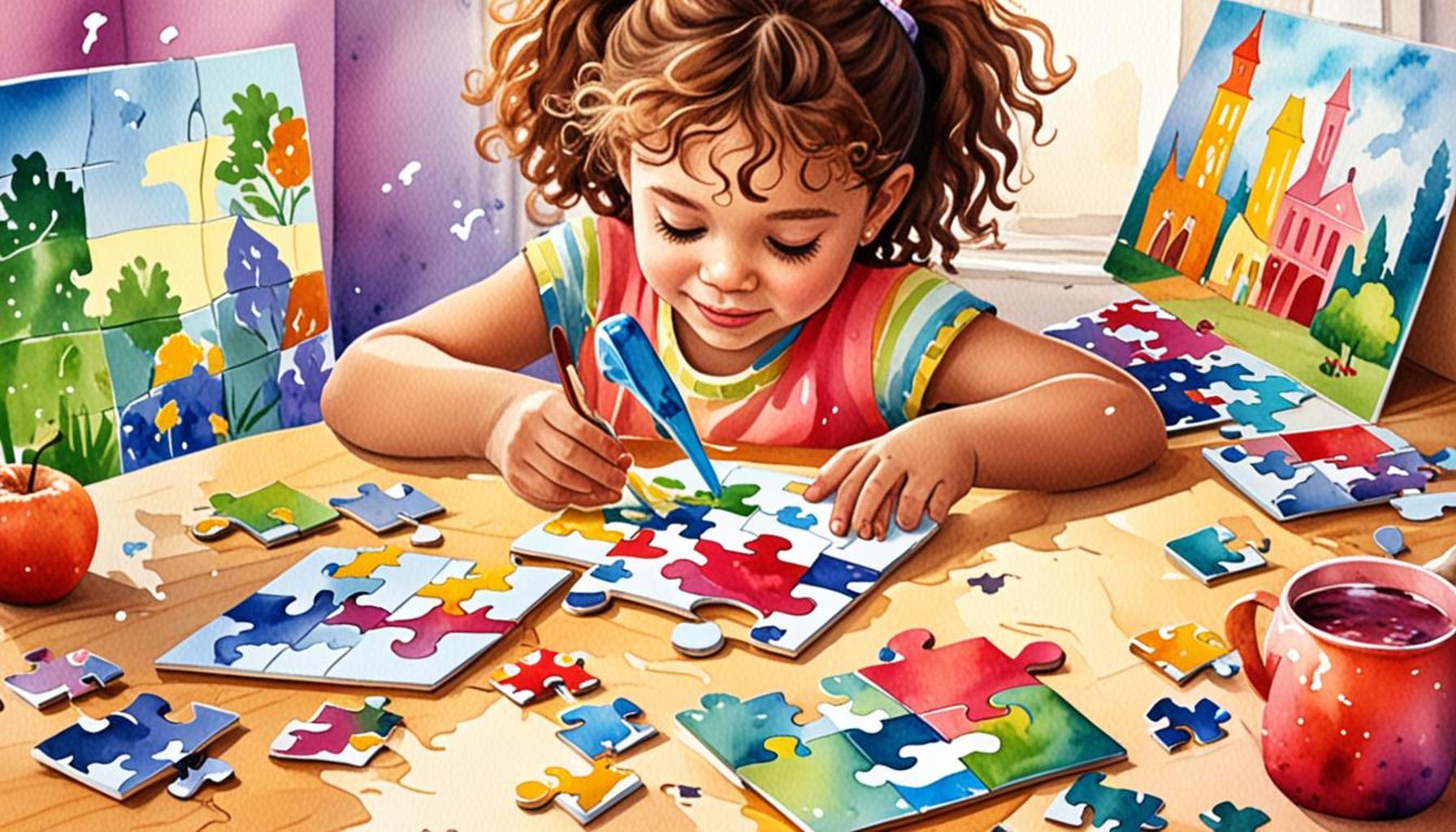
Puzzle challenges are not merely enjoyable diversions; they can profoundly influence our understanding of ourselves and our emotions. As players immerse themselves in various puzzle formats—be it solving enigmas in a classic Sudoku or piecing together intricate landscapes in a jigsaw puzzle—they unwittingly engage in a deeper reflection of their emotional landscape. This process enhances emotional intelligence—a critical component of personal and professional success.
At its core, emotional intelligence involves recognizing one’s emotions, understanding their impact on thoughts and behavior, and being able to manage them effectively. Puzzle challenges create a unique environment where these skills can flourish. Here’s how:
- Enhanced Self-Reflection: When players tackle challenging puzzles, they often engage in a process of self-discovery. They must confront feelings such as frustration or joy as they navigate through obstacles. This self-reflection helps them gain deeper insights into their emotional reactions and thought patterns, allowing for greater self-awareness.
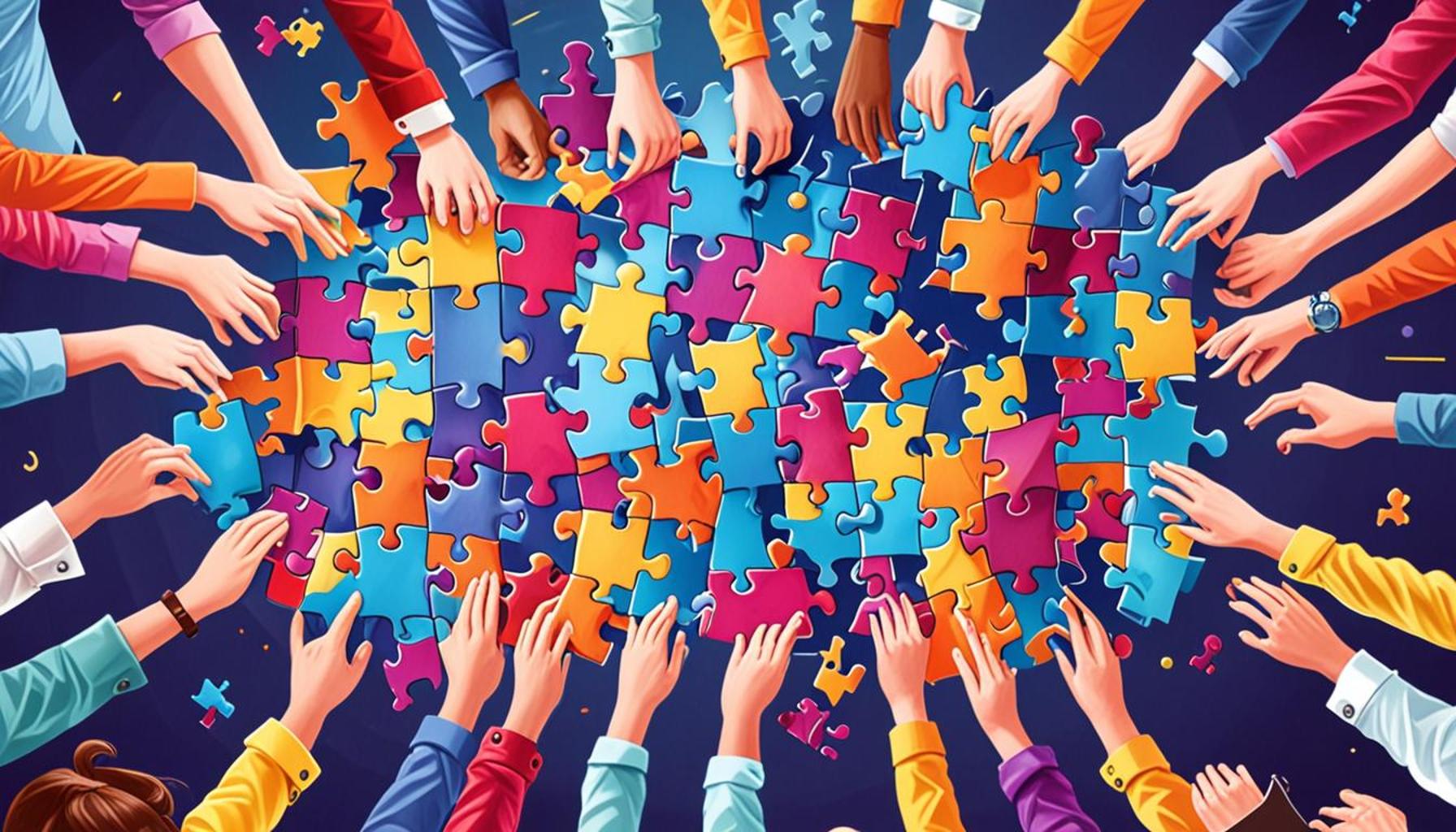
- Empathy Building: Multiplayer puzzle games like Keep Talking and Nobody Explodes require communication and reliance on others to succeed. Players develop empathy by understanding different viewpoints and the emotions of their team members, which not only fosters stronger social connections but also encourages a collaborative spirit.
- Improved Decision-Making: Engaging with puzzles necessitates making choices, often under time constraints. For instance, in games like Escape Room, players must make quick decisions that can lead to success or failure. Practicing this in a risk-free environment empowers individuals to make better decisions in their everyday lives, especially under pressure.
Furthermore, researchers at the University of California found that individuals who regularly participate in puzzle-solving activities exhibit an increased ability to manage their emotions and understand others’ feelings. This is particularly relevant in work environments where teamwork and communication are essential. As employees cultivate their emotional intelligence through puzzles, they not only enhance their personal competencies but also contribute positively to their team’s dynamics.
As we explore the intricate relationship between puzzle challenges and emotional intelligence further, it becomes evident that these activities provide more than just entertainment; they serve as vital tools for enhancing self-awareness. The process of challenging oneself through puzzles can lead to insightful revelations, paving the way for improved interpersonal interactions and personal satisfaction.
Next, let us examine specific examples of puzzle games that have been shown to significantly impact emotional intelligence, enriching the lives of players while fostering a deeper understanding of themselves and others.
The captivating nature of puzzle challenges often draws players into a world where strategy, problem-solving, and emotional awareness become crucial components for success. Engaging in these activities stimulates not only mental agility but also enhances a player’s understanding of their emotional responses. Research has shown that individuals who solve puzzles regularly exhibit heightened emotional intelligence, a phenomenon that translates into real-life benefits.
Puzzle games encourage players to confront frustration, anxiety, and even joy as they work towards solutions. This unique dynamic allows players to become more aware of their emotional triggers. As players navigate through increasingly complex challenges, they learn to recognize stress signals, manage their reactions, and adapt their strategies accordingly. Furthermore, the iterative process of trial-and-error involved in puzzle-solving fosters resilience, a key element of emotional intelligence.
| Category | Advantages |
|---|---|
| Self-Awareness | Puzzles promote recognition of emotional states during gameplay, fostering deeper self-reflection. |
| Emotional Regulation | Players learn to manage their feelings of frustration and success, enhancing their ability to cope in real-life situations. |
Additionally, the social aspect of multiplayer puzzle games introduces collaboration and communication with others. This setting not only improves interpersonal skills but also helps players navigate different emotional dynamics, deepening their understanding of the emotional intelligence spectrum. By embracing these challenges, individuals can harness the power of games as tools for personal growth, achieving a well-rounded sense of self-awareness and improved emotional competencies.
EXPLORE MORE: Click here to discover the cognitive benefits
Games That Cultivate Emotional Intelligence
The landscape of puzzle games is rich and diverse, offering various formats that can aid in developing emotional intelligence. By engaging with these games, players not only stimulate their cognitive abilities but also nurture their emotional growth. Here, we delve into some categories of puzzles and specific games that have proven to enhance self-awareness and emotional understanding.
- Logic and Strategy Puzzles: Games such as Chess or Logic Grid Puzzles challenge players to think critically and anticipate the emotions and strategies of opponents. While focusing on winning, players must remain self-aware of their emotional responses during the game, which can evoke both excitement and disappointment. This awareness of emotions while problem-solving in a competitive setting enhances one’s ability to self-regulate feelings in real-life situations, especially under stress.
- Collaborative Puzzle Games: Many modern puzzle challenges have a strong social component. For instance, Portal 2 requires players to work together to solve intricate challenges. Such collaborative experiences require players to communicate openly, share ideas, and provide constructive feedback, which cultivates interpersonal skills. As players navigate the dynamics of teamwork, they enhance their capacity for empathy and social awareness, vital components of emotional intelligence.
- Mindfulness-Based Puzzles: Some puzzle formats, like Zen Puzzles, emphasize mindfulness through relaxation and focus. These puzzles often present a calming environment, where players can reflect on their emotions while actively engaging in problem-solving. By fostering a serene mental space, they encourage introspection and increase emotional regulation, leading to improved self-awareness.
- Interactive Storytelling Games: Titles like The Witness blend environmental puzzles with narrative experiences, prompting players to think about the implications of their choices within the game. Such games often explore themes of isolation, connection, and personal choices, enhancing players’ capacity for introspection and moral reasoning. As players consider their in-game decisions, they also reflect on their real-life values and emotional responses, deepening their understanding of self and others.
Moreover, research supports the idea that puzzle gameplay can lead to emotional regulation benefits. A study published in the journal Computers in Human Behavior revealed that individuals who engaged in puzzle-solving activities reported higher emotional resilience. This resilience can translate into better stress management and adaptive coping strategies in everyday life, highlighting the potential of puzzle challenges as tools for emotional growth.
Understanding the intricate relationship between puzzles and emotional intelligence does not merely enhance player experience; it offers a pathway towards personal development. As players interact with their chosen puzzles, they delve into the complexities of their emotions and their understanding of the emotional states of others. This journey of self-discovery is facilitated through gameplay, making puzzles a unique addition to any mental wellness toolkit.
As we explore more about the intersection of play and personal growth, the opportunities to develop emotional intelligence through puzzle challenges become increasingly apparent.
DISCOVER MORE: Click here to learn about the benefits of cognitive games
Conclusion
The exploration of puzzle challenges reveals a compelling relationship with emotional intelligence and self-awareness development. As players engage in various game formats—from logic puzzles and collaborative challenges to mindfulness and interactive storytelling—they are not merely seeking entertainment. Instead, they embark on a transformative journey that enhances both cognitive and emotional skills. Through the experience of solving puzzles, individuals become more attuned to their own emotions and those of others, creating a foundation for improved emotional regulation and resilience.
The evidence supporting this connection is robust, with studies indicating that regular engagement with puzzle-solving activities can foster higher emotional resilience, adaptive coping strategies, and enhanced self-awareness. As puzzle players navigate their challenges, they practice essential skills such as empathy, communication, and introspection—integral components of emotional intelligence. This dynamic engagement not only benefits personal growth but can also lead to improved relationships and overall mental well-being.
In a rapidly changing world, the ability to reflect on one’s emotional landscape and respond effectively to the emotional experiences of others is invaluable. As such, the incorporation of puzzles into educational frameworks, therapeutic practices, and personal development routines could prove to be a significant step towards cultivating healthier emotional frameworks. Ultimately, puzzle challenges open up exciting pathways for integrating play into emotional growth, offering an innovative yet enjoyable strategy for enhancing self-awareness.