Puzzle Challenges and Problem Solving: An Interactive Approach to Learning

Unlocking Minds Through Challenge
Puzzle challenges have long been recognized as catalysts for critical thinking and problem-solving skills. These puzzles engage the mind, inviting individuals to navigate through intricate structures of logic and creativity. In a world saturated with information, integrating these engaging methods can significantly enhance the learning experience. This interactive approach not only stimulates curiosity but also encourages collaboration among learners, leading to profound educational outcomes.
Consider these key benefits of puzzle challenges:
- Enhancement of analytical skills: As participants tackle complex problems, they hone their ability to analyze and interpret information effectively. For instance, when a student engages in a logic puzzle, they learn to assess various possibilities and weigh outcomes, sharpening their decision-making process.
- Encouragement of teamwork: Collaborative puzzles foster a sense of community, promoting communication and cooperation. Activities such as group-based escape room challenges require teamwork to crack codes and solve mysteries, thereby allowing individuals from different backgrounds to contribute unique insights toward a common goal.
- Development of resilience: Navigating setbacks within puzzles teaches individuals how to approach obstacles with a positive mindset. For example, when a team fails to complete a challenging puzzle, the experience can turn into a valuable lesson about persistence and adapting strategies to overcome hurdles more effectively.
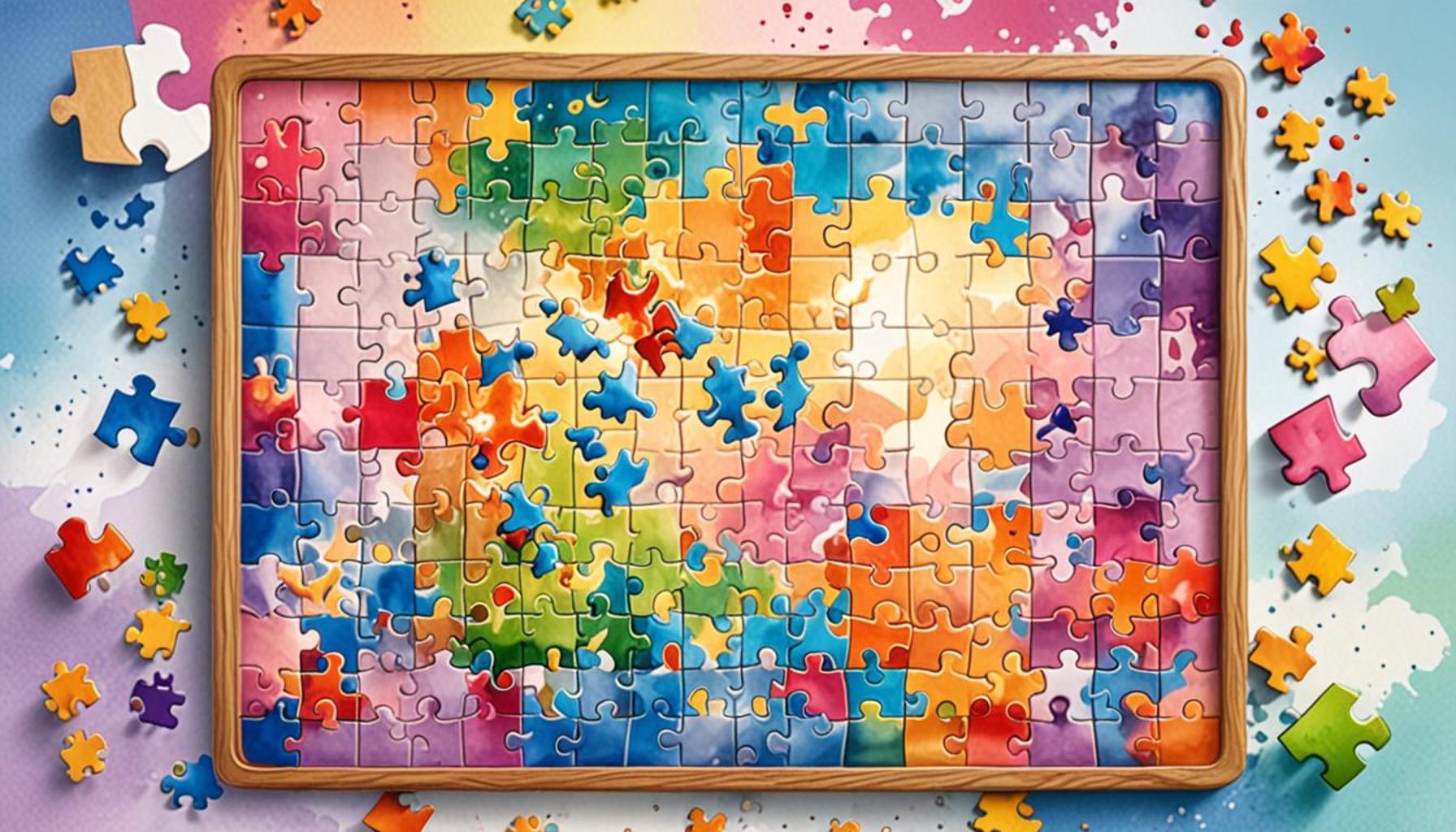
The scope of puzzles is expansive, varying widely from traditional jigsaw puzzles to logic puzzles and even escape room challenges. Each format serves a distinct purpose and offers unique advantages, making them versatile tools in educational settings. For example, jigsaw puzzles can improve visual-spatial reasoning, while logic puzzles enhance deductive reasoning skills. Schools and educators can harness this diversity by integrating these challenges into curricula to create dynamic learning environments that inspire students to think outside the box.
Moreover, by utilizing technology, educators have the opportunity to introduce digital puzzle games that can adapt to different learning paces and styles. If schools were to incorporate these platforms, they could further stimulate engagement in subjects that might otherwise seem dry or monotonous. As we delve deeper into this engaging subject, it’s essential to explore the different interactive methods available. Will they reshape how we think about education? The answers lie within the intricate world of puzzle challenges and problem-solving methodologies, inviting educators and students alike to investigate the vast potential that comes with these brain-teasing activities.
DISCOVER MORE: Click here to enhance your critical thinking skills
The Diverse World of Puzzles in Education
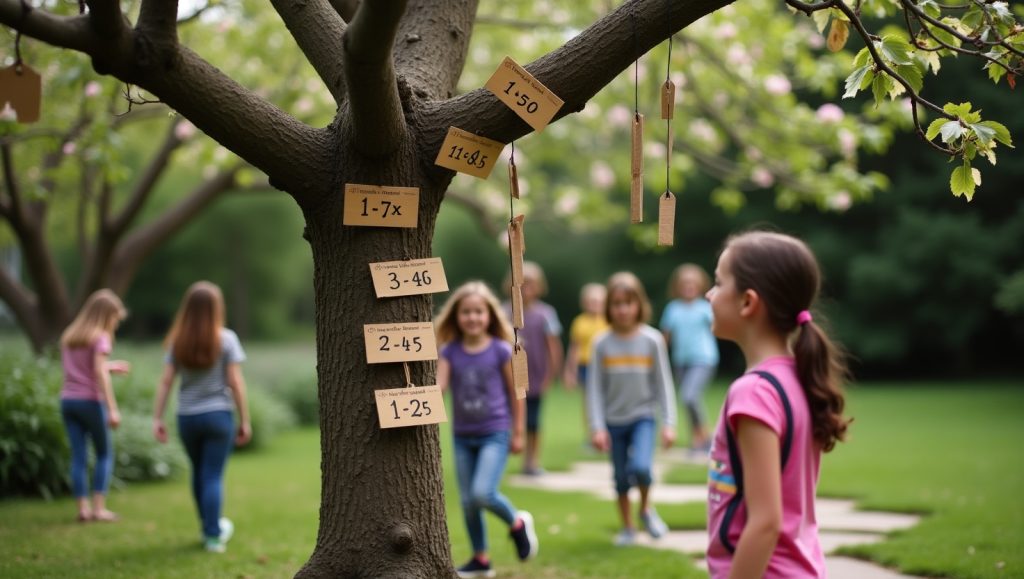
As the educational landscape evolves, the integration of puzzle challenges into learning frameworks invites a transformative approach to teaching. Engaging students through diverse puzzle formats not only enhances their critical thinking skills but also taps into various learning modalities. By exploring the rich variety of puzzles available, educators can craft experiences that resonate with students on different levels and cater to individual strengths.
Whether it is the tactile experience of assembling jigsaw puzzles, the intellectual rigor required in logic puzzles, or the immersive thrill of escape room challenges, each format offers its unique benefits:
- Jigsaw Puzzles: These popular puzzles cultivate visual-spatial skills and promote patience and focus. As students work to complete images piece by piece, they develop their ability to see connections between parts and wholes, which is essential in fields such as mathematics and science.
- Logic Puzzles: These brain teasers require participants to employ deductive reasoning and strategic thinking. Logic puzzles challenge students to examine premises, draw conclusions, and formulate complex arguments. Incorporating these into the classroom can sharpen analytical skills, particularly in subjects that require structured thinking like computer science and philosophy.
- Escape Room Challenges: Increasingly popular in educational contexts, escape rooms foster intense collaboration and quick problem-solving in a time-sensitive environment. Groups must communicate effectively, delegate tasks, and utilize their collective strengths to succeed. This form of puzzle engages not only the mind but also the social skills of students, preparing them for future collaborative work in an increasingly interconnected world.
- Crossword and Sudoku Puzzles: These classic formats encourage vocabulary expansion and mathematical reasoning. By regularly engaging with such puzzles, students can enhance their linguistic agility and numerical fluency, crucial skills for preparing for standardized tests and academic success.
In addition to traditional methods, technology now offers innovative puzzle formats that can further engage students. Online platforms and mobile applications provide dynamic puzzles that adapt to learners’ progress, presenting challenges that can be customized to fit specific educational goals. This opportunity for individualized learning encourages students to take ownership of their education, cultivating intrinsic motivation as they tackle puzzles at their own pace.
Furthermore, educators can take the interactive approach a step further by incorporating gamification elements into their teaching. Points, badges, and leaderboards motivate students to participate actively and commit to challenges, transforming learning into a rewarding adventure. This blend of learning and play makes retention of knowledge more effective as students associate the experience with fun and achievement.
In essence, the expansive realm of puzzle challenges serves as a rich reservoir for educational enrichment. As teachers begin to embrace these techniques, they not only prepare their students for academic challenges but also cultivate life skills that span beyond the classroom. How can educators maximize these methodologies and ensure they resonate with a generation of tech-savvy learners? The answers lie in understanding the unique interactions puzzles can provoke in diverse learning environments.
| Category | Benefits |
|---|---|
| Enhanced Critical Thinking | Engaging in puzzle challenges boosts analytical skills, prompting learners to approach problems from multiple perspectives. |
| Team Collaboration | Working together on puzzles fosters a sense of community and improves communication, vital for effective problem solving. |
In the context of “Puzzle Challenges and Problem Solving: An Interactive Approach to Learning”, there are numerous aspects worthy of exploration. These interactive methodologies not only enhance cognitive skills but also serve to motivate students by making the learning experience fun and engaging. Utilizing puzzles encourages creativity and adaptability—skills that are invaluable in today’s fast-paced world.Moreover, integrating technology with traditional puzzles can provide dynamic learning experiences. Online platforms offering algorithm-based puzzles, for instance, can adapt to the user’s style, enhancing learning retention. This adaptability ensures that learners are consistently challenged, which is essential for fostering a growth mindset.Additionally, educators are increasingly recognizing the potential of puzzle-solving in promoting independent thought. By facing challenging problems, students develop resilience and perseverance—traits essential in real-world scenarios. Encourage exploration of these interactive learning strategies to unlock the full potential of learning environments.
DISCOVER: Click here to learn more
Enhancing Critical Thinking through Interactive Puzzles
The role of puzzle challenges in promoting critical thinking is profound. By engaging in problem-solving activities, students are prompted to analyze situations from multiple perspectives and consider alternative solutions. This approach not only equips them with cognitive tools but also encourages a mindset that values curiosity and exploration. In the context of American education, where standardized testing often emphasizes rote memorization, puzzles introduce a refreshing shift towards experiential learning.
One powerful way to implement puzzles in the classroom is through project-based learning (PBL), which encourages students to tackle real-world problems. By incorporating puzzles related to community challenges or current events, students can see the relevance of their problem-solving efforts. For instance, consider a scenario where students face a puzzle that requires them to devise a sustainable solution for waste management in their school. This tangible problem connects learning with social responsibility, enhancing their engagement and investment in the process.
Additionally, the integration of interdisciplinary puzzles can enrich the educational experience. Combining elements from various subjects, such as science, history, and art, enables students to draw connections between content areas. A history-themed escape room, where students solve puzzles based on historical events, allows them to immerse themselves in different time periods while honing their analytical skills. Such cross-curricular approaches ensure that students not only understand academic concepts but also apply them in diverse contexts.
Collaborative puzzles further amplify the benefits of problem-solving in education. When students work together to solve a challenging puzzle, they must engage in discussion, share ideas, and negotiate solutions. This collaboration fosters vital social skills, including communication and teamwork, which are essential in today’s interconnected workforce. For instance, when middle school students tackle a team-based logic challenge, they learn to value each other’s contributions and work towards a common goal, thus preparing themselves for future collaborative environments.
Real-World Applications of Puzzle-Based Learning
The influence of puzzle challenges extends beyond the classroom, with many companies recognizing the value of these techniques in developing workplace skills. Employers frequently cite problem-solving and critical thinking as essential attributes sought in potential hires. Therefore, integrating puzzles into the educational framework becomes not just about enhancing academic learning, but also about preparing students for life beyond school.
For example, organizations in the United States increasingly utilize escape room-style training exercises in corporate environments. Such initiatives help teams learn to work under pressure while enhancing their problem-solving capabilities. By mirroring these real-world applications within educational contexts, students not only acquire knowledge but also develop transferable skills, making them more competitive in the job market.
Emerging research underscores the significance of puzzle-based learning in fostering lasting cognitive benefits. Studies suggest that regular engagement with puzzle activities can improve memory, boost spatial reasoning, and even increase IQ levels. This neurological evidence is compelling for educators seeking methods to enhance academic performance. Furthermore, the impact of puzzle challenges can be particularly transformative for students with diverse learning needs, offering them avenues for expression and understanding that traditional teaching methods may overlook.
As educators continue to explore effective teaching strategies, the incorporation of interactive puzzle challenges stands out as a powerful tool in enhancing problem-solving skills and preparing students for the complexities of the real world. The potential for puzzles to cultivate critical thinking, collaboration, and creativity is vast, promising not only enriched academic experiences but also the development of lifelong learners equipped to navigate an ever-evolving landscape.
DISCOVER MORE: Click here to enhance your mental skills
Conclusion: Unlocking Potential through Puzzles
As we delve deeper into the realm of puzzle challenges and their significance in education, it becomes increasingly clear that these interactive tools hold the key to unlocking a myriad of cognitive benefits. By prioritizing problem-solving and critical thinking, educators can foster a learning environment that extends beyond the confines of traditional teaching methods. The shift toward incorporating interactive puzzles in the classroom not only enhances academic performance but also equips students with essential skills necessary for success in the 21st-century workforce.
The integration of project-based learning and interdisciplinary puzzles engages students in real-world scenarios, making learning relevant and impactful. From tackling local community issues to exploring historical events through immersive experiences, students develop a profound understanding of the subject matter while honing their analytical abilities. Moreover, when students collaborate on puzzles, they cultivate social skills, empathy, and the ability to work effectively in teams—all of which are invaluable in today’s diverse work environments.
Furthermore, with the advent of emerging technologies and research supporting the cognitive benefits of puzzle-based learning, educators have an unprecedented opportunity to innovate their teaching practices. As schools across the United States increasingly embrace these methods, the possibilities for enhancing student engagement, creativity, and lifelong learning expand exponentially.
In conclusion, integrating puzzle challenges into educational frameworks is not merely an innovative teaching technique but a profound commitment to cultivating a generation of thinkers and problem-solvers. As we move forward, we encourage educators, parents, and policymakers to embrace this interactive approach, enabling students to navigate and thrive in an ever-evolving landscape.