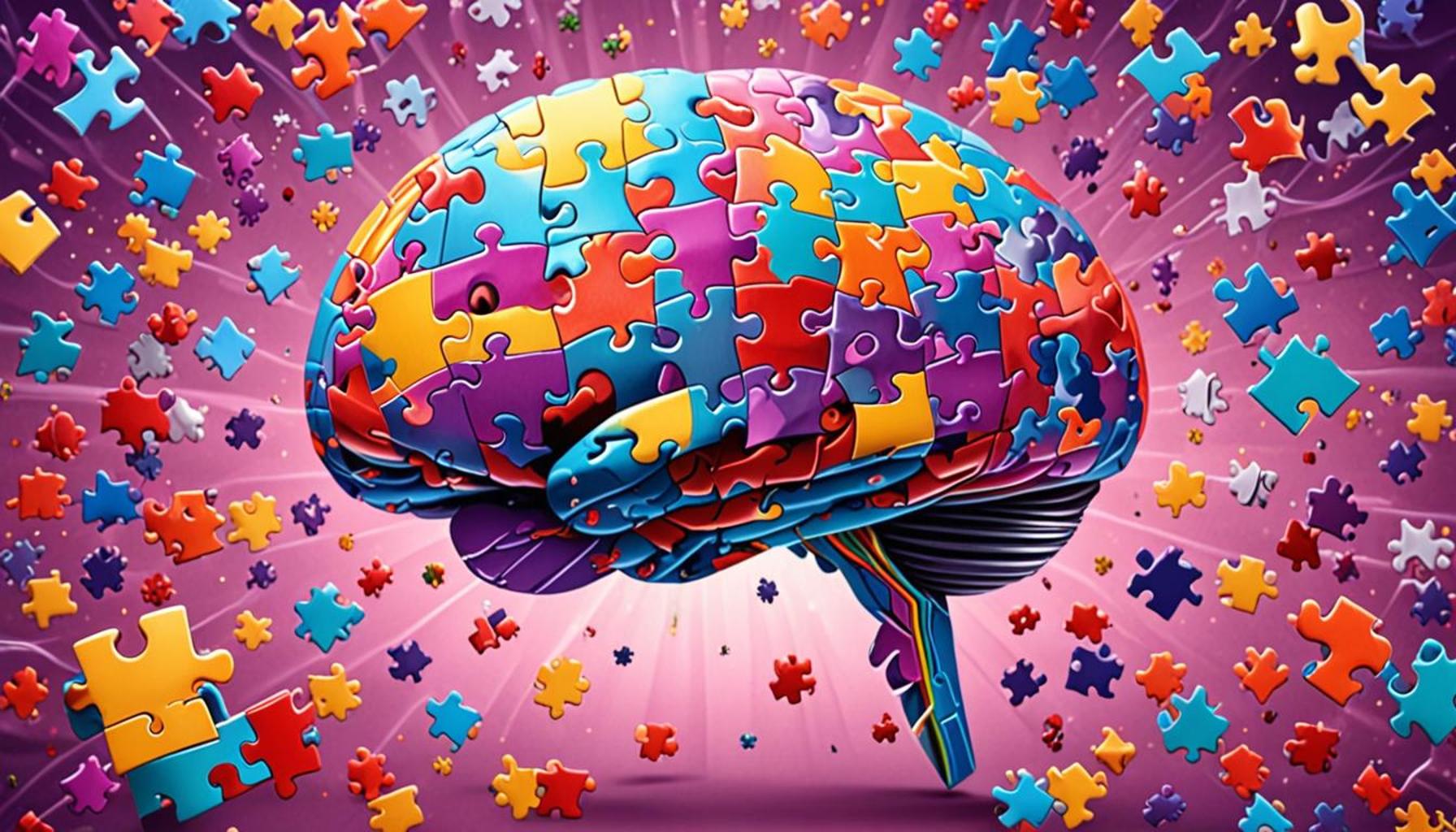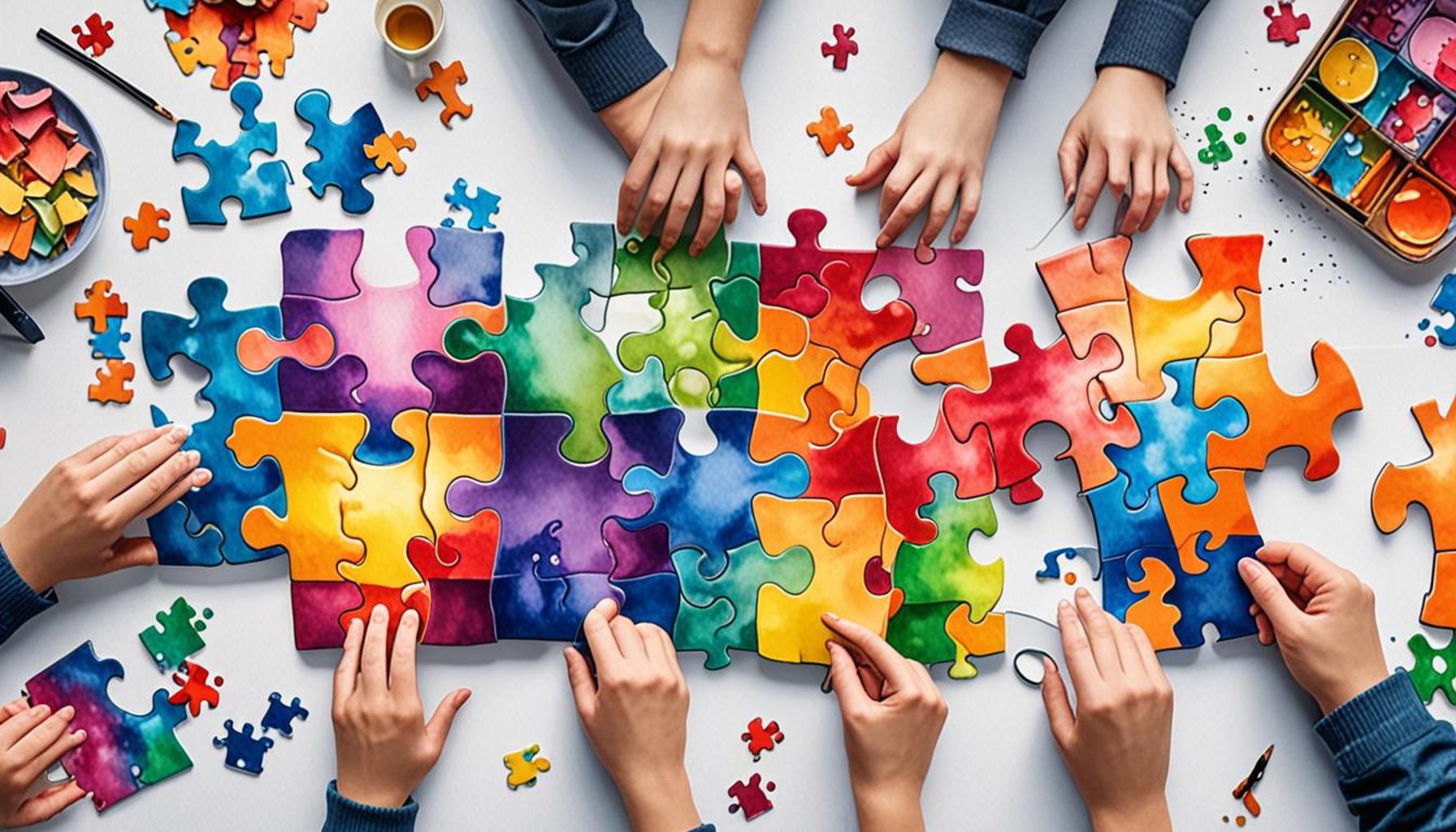
Puzzle Challenges and Gamification: How Games Are Transforming Learning
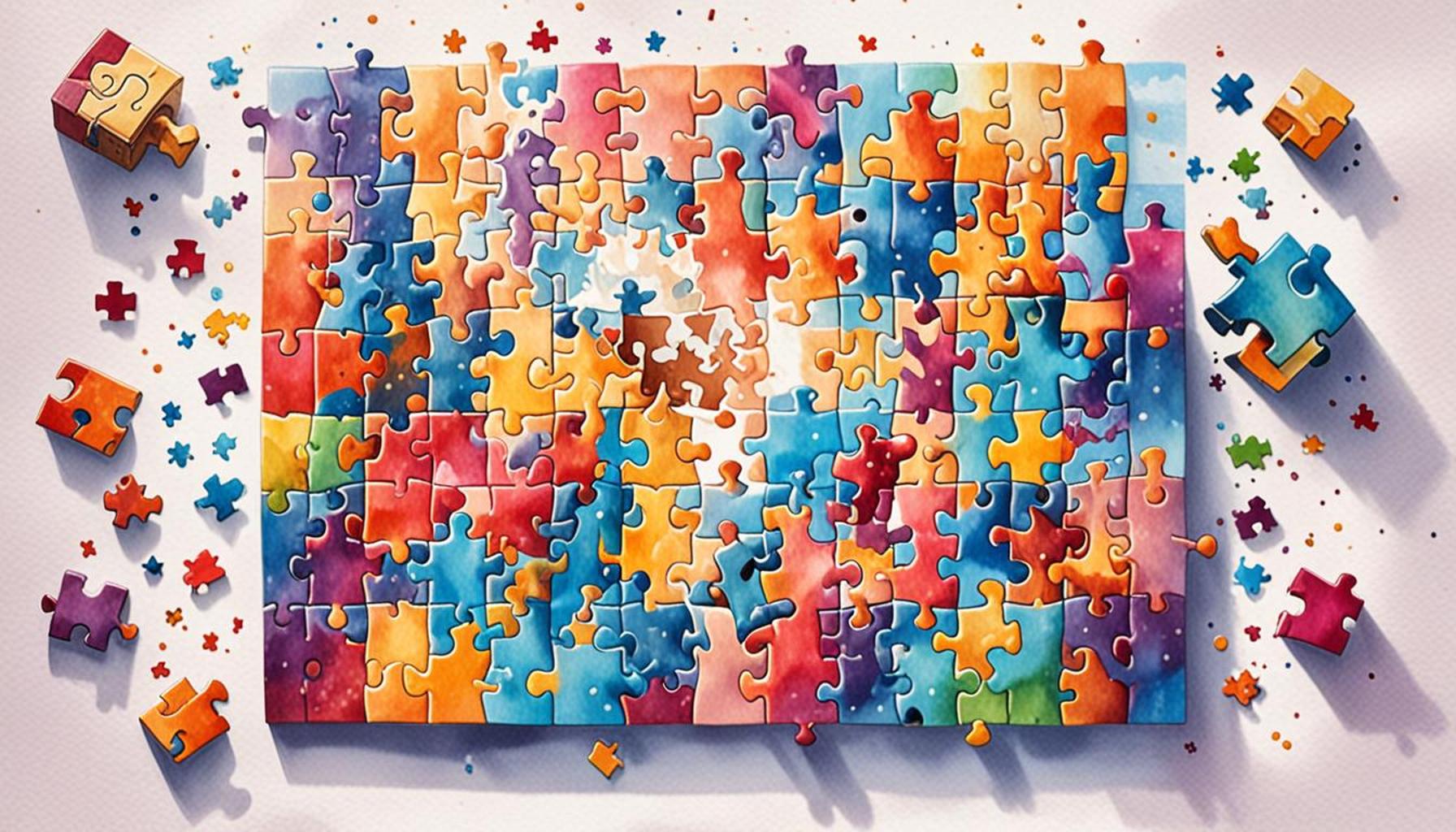
Transforming Education Through Game Mechanics
The rise of gamification in educational settings is revolutionizing the way we approach learning. By integrating game design elements, such as puzzle challenges and competition, traditional methods of instruction are being transformed into engaging experiences. This emerging landscape not only captivates students but also cultivates critical thinking, creativity, and collaborative skills essential for success in today’s rapidly evolving world.
Several key trends highlight the profound impact games have on education. First, there is the concept of Interactive Learning. In this innovative model, games create a dynamic environment where students actively participate rather than passively absorb information. For example, platforms like Kahoot! and Quizizz utilize quiz-based games that allow students to compete in real-time, making review sessions lively and stimulating.
Next is the emphasis on Critical Thinking. Puzzle challenges embedded within educational games encourage students to engage in complex problem-solving tasks. For instance, games like Minecraft: Education Edition promote creativity and analytical thinking, as students must build and manage their virtual worlds while considering resource allocation and strategy. Such immersive environments propel learners to think critically and rationally about the decisions they make, fostering a mindset geared toward resolving real-world challenges.
Additionally, many games encourage Collaboration. Group-based gaming experiences foster teamwork, leading to better communication and interpersonal skills among peers. Platforms like Roblox, where students can design and share their creations, create opportunities for students to collaborate on projects, merging creativity with collaboration in a unique way.
As educational institutions across the United States increasingly adopt these gamified approaches, they are witnessing significant benefits. Research indicates that gamified learning can lead to:
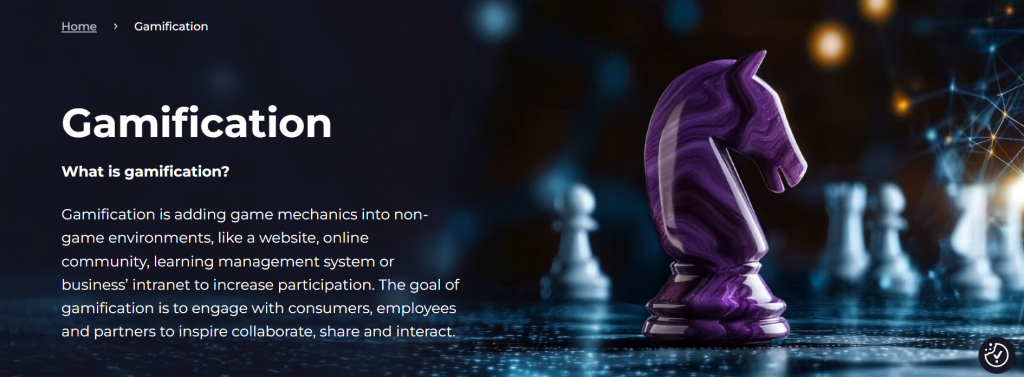
- Improved Engagement: Students often find themselves more invested in their education, boosting participation and motivation.
- Higher Retention Rates: Engaging with material through play can enhance memory retention, ensuring children remember what they have learned long after the lesson has ended.
- Personalized Experiences: Adaptable game mechanics provide tailored experiences, catering to diverse learning styles and allowing each student to progress at their own pace.
This paradigm shift signifies that learning is no longer synonymous with dull textbooks and monotonous lectures. Rather, it is transformed into an exhilarating adventure filled with challenges and rewards that not only makes learning enjoyable but also equips students with crucial skills for the modern world. Understanding how games are transforming learning offers invaluable insights into the future of education. As we explore these developments, we unveil the potential for enhanced educational outcomes, setting a new standard for what effective learning can look like.
DIVE DEEPER: Click here to discover how cognitive games can enhance your memory
Engagement Through Game-Based Learning
One of the most significant shifts in the educational paradigm is the increasing use of game-based learning to foster student engagement. Traditional classroom settings often struggle to maintain student interest, but integrating game elements transforms the learning environment into an interactive playground. Through well-designed puzzle challenges, students are not merely passive recipients of information; they are active participants in their learning journey. This engagement is essential, as studies reveal that students who are engaged in their educational experience exhibit higher levels of motivation and are less likely to drop out.
One compelling example of this transformation is found in the use of educational video games. Platforms like Prodigy Math and DreamBox employ gamified approaches to teach complex subjects such as mathematics. In these environments, students must solve puzzles and overcome challenges to progress, making learning feel less like a chore and more like an adventure. The instant feedback these games provide reinforces learning objectives and motivates students to improve their problem-solving abilities.
Gamification and Learning Outcomes
Beyond mere engagement, the implementation of gamified elements in education has profound implications for learning outcomes. Research has shown that utilizing game mechanics facilitates a deeper understanding of subjects, ultimately leading to:
- Enhanced Problem-Solving Skills: By navigating through intricate puzzles and scenarios, students cultivate critical thinking and adaptability—skills highly prized in both academic and professional settings.
- Increased Motivation: With the appeal of rewards, badges, and leaderboards, students are inspired to set personal goals and strive for achievement, translating to a more persistent learning attitude.
- Immediate Feedback Loops: Gamified environments often provide on-the-spot assessments, which help students instantly recognize and correct their mistakes, solidifying their understanding in real-time.
The incorporation of puzzle challenges and game mechanics in educational frameworks also cultivates a safe space for failure, encouraging students to experiment and learn from their mistakes without the fear of traditional classroom repercussions. This trial-and-error approach leads to the development of resilient learners who view challenges as opportunities to grow rather than obstacles to avoid.
Additionally, studies have demonstrated that gamified learning experiences can significantly narrow achievement gaps among diverse student populations. By providing varied levels of challenge and instant recognition of successes, these games can cater to students of all abilities, ensuring inclusivity and equity in the learning process. This adaptability makes educational games not only entertaining but also incredibly effective tools for fostering holistic educational experiences.
As the landscape of education continues to evolve with the advent of technology, the role of puzzle challenges and gamification will undoubtedly play an essential part in shaping the future of learning. By understanding how these elements interact and enhance educational practices, educators are better equipped to prepare students for the complexities of the modern world.
Puzzle Challenges and Gamification: How Games Are Transforming Learning
As educators continue to explore innovative teaching methods, gamification has emerged as a pivotal strategy that enhances engagement and retention among students. By incorporating game elements into educational environments, learners experience a sense of achievement and motivation that traditional learning methods often fail to provide. This approach utilizes puzzle challenges, problem-solving tasks, and reward systems to create an immersive learning experience that caters to diverse learning styles.
The appeal of gamification lies in its ability to transform mundane tasks into captivating activities. For instance, challenges that involve strategic thinking or time-based problem solving encourage students to re-engage with course materials actively. This transformation not only improves academic performance but also develops critical life skills, such as perseverance and collaboration, which are essential in the 21st-century workplace.
Moreover, gamification facilitates immediate feedback, consistently replayable elements, and interactive environments. These features foster an iterative learning process where students can practice, fail, and succeed in a safe space. Data shows that learners who engaged in gamified curricula exhibited higher retention rates and greater enthusiasm for the subject matter, surpassing their peers in traditional settings.
Incorporating puzzle challenges into formal education is not just about entertainment; it’s about creating a holistic learning experience that resonates with students on a deeper level. The challenge now lies in effectively integrating these techniques within existing curricula to maximize the benefits of gamification and prepare students for their future endeavors.
| Advantages | Key Insights |
|---|---|
| Enhanced Engagement | Students become active participants in their learning journey, increasing motivation. |
| Immediate Feedback | Learners receive real-time evaluation, allowing for adjustments in learning strategies. |
| Development of Critical Skills | Skills such as teamwork, time management, and problem-solving are cultivated through gameplay. |
The evidence supporting these educational advancements is difficult to overlook; as technology continues to evolve, so too must our methods of teaching. Integrating gamification into learning not only makes study sessions more enjoyable but enhances cognitive development and information retention, ultimately paving the way for a more dynamic education system.
DIVE DEEPER: Click here to uncover the evolution of puzzle challenges
Personalized Learning Experiences
The adoption of puzzle challenges and gamified strategies not only enhances engagement but also paves the way for highly personalized learning experiences that can meet the diverse needs of today’s students. With varying learning styles, interests, and paces, traditional educational models often fall short in addressing individual differences. However, educational games can adapt to these variations in real-time, offering tailored experiences that resonate with each learner.
For instance, platforms like Lexia Reading Core5 utilize a gamified format that tailors reading exercises based on a child’s unique skill level. As students progress through different levels of challenges, the system adjusts the difficulty based on their performance. This adaptive learning technology fosters an environment where students receive immediate support, enabling them to master skills before advancing, ensuring that no child is left behind.
Collaboration and Social Learning
Another profound impact of puzzle-based gamification in learning is the promotion of collaboration and social interaction among students. By incorporating team-oriented challenges, educators can encourage peer-to-peer learning, which studies have shown to enhance cognitive skills and deepen comprehension. Platforms like Kahoot! invite students to work in groups to solve problems, fostering a sense of community and shared purpose. This collaboration not only builds critical teamwork skills but also creates an atmosphere where students feel more comfortable participating in discussions and expressing their ideas.
The social aspect of gamified learning extends beyond classroom walls. Online platforms often connect students worldwide, allowing them to collaborate on global challenges and projects. Apps like Minecraft: Education Edition empower students to build and explore virtual worlds together, blending creativity with educational goals. Such opportunities for interaction lead to a richer learning experience and the exchange of cultural perspectives, preparing students for an increasingly interconnected workforce.
Real-World Applications and Skills Development
Moreover, gamification in education effectively bridges the gap between theoretical knowledge and real-world applications. When students engage in puzzle challenges that simulate real-life scenarios, they acquire essential 21st-century skills such as problem-solving, decision-making, and critical thinking. For example, programs like SimCityEDU allow students to manage resources and make strategic decisions within a virtual city, teaching them about urban planning while honing their analytical skills.
The focus on actionable learning is further enhanced by incorporating game mechanics that reflect real-world challenges. In coding education platforms like CodeCombat, students navigate coding puzzles that mirror genuine programming issues, fostering technical skills that are increasingly demanded in the job market. This immersive approach not only enhances students’ knowledge but also equips them with the practical tools needed to excel in various careers.
In essence, puzzle challenges and gamification have become pivotal in revolutionizing the way education is delivered. By fostering personalized, collaborative, and applicable learning experiences, educators harness the power of game-based strategies to prepare students not just academically but also for the complexities of life beyond the classroom.
DISCOVER MORE: Click here to learn about cognitive games as a rehabilitation tool
Conclusion
In conclusion, the integration of puzzle challenges and gamification into the educational landscape has fundamentally transformed the way students engage with learning. Through personalized approaches, collaboration, and real-world applications, educational games create dynamic environments that cater to the individual needs of learners. As traditional teaching methods often struggle to maintain engagement and adapt to different learning styles, gamified strategies emerge as powerful tools that stimulate motivation and enhance retention.
Moreover, the emphasis on teamwork and peer interaction inherent in these games encourages social learning and prepares students for collaborative environments in the workforce. The opportunities presented by platforms like Kahoot! and Minecraft: Education Edition extend beyond mere academic success; they cultivate essential skills for the 21st century, making learners not only subject matter experts but also adept problem solvers and critical thinkers.
As we look to the future, educators and institutions must embrace these innovative strategies, continuing to explore how gamification can enrich learning experiences. By harnessing the full potential of game-based learning, we can create a generation of learners who are equipped to thrive in a rapidly evolving world. The journey of reimagining education through engaging and immersive methods has only just begun, inviting all to participate actively in this exciting paradigm shift.