Creating Your Own Brain Teasers: Tips and Strategies for Beginners
The Intriguing Nature of Brain Teasers
Brain teasers are not merely whimsical puzzles; they serve as dynamic tools for enhancing cognitive skills such as memory, reasoning, and problem-solving. Engaging with these mental challenges provides a workout for the brain, stimulating neural connections that can lead to improved analytical thinking and creativity. By applying the right tips and strategies, anyone can design compelling brain teasers that ignite curiosity and encourage exploration.
For educators, parents, or puzzle aficionados alike, creating your own brain teasers can transform the way you think and engage with others. Here are essential factors to consider when embarking on this creative journey:
- Understand Different Types: It’s important to familiarize yourself with the various formats of brain teasers. Riddles play on wordplay and logic, while logic puzzles require deductive reasoning. Mathematical conundrums challenge numerical skills and logical thinking. Being well-versed in these types can help you craft more diverse and engaging challenges.
- Target Your Audience: Knowing your audience is vital. For younger children, you might incorporate bright imagery or references to popular cartoons to maintain their interest. For adults, consider presenting more complex problems or scenarios that resonate with their life experiences, such as workplace dilemmas or current events.
- Incorporate Real-World References: To make your brain teasers more relatable, use familiar scenarios. This could involve everyday objects like a coffee mug, seasonal events such as Thanksgiving, or even pop culture references like famous movie quotes. This familiarity not only makes the teaser more engaging but also more memorable.
In this exploration of the art of making brain teasers, you will find that creativity knows no bounds. It acts as a catalyst where crafting these puzzles can significantly enhance both your and others’ problem-solving abilities. For example, consider a riddle that involves planning a birthday surprise: it not only entertains but encourages participants to think critically about logistics and interactions.
As you dive into this fascinating world, get ready to unleash your creativity. Craft brain teasers that will have your friends, students, or family members engrossed and guessing. The rewards of this intellectual pursuit extend beyond entertainment, stimulating minds and fostering a culture of curiosity in your community.
EXPLORE MORE: Click here to enhance your critical thinking
Unlocking the Puzzle: Tips for Crafting Engaging Brain Teasers
Creating your own brain teasers offers a unique opportunity to challenge both yourself and others, while honing your creativity and critical thinking skills. Once you familiarize yourself with different types of brain teasers, it’s time to put your newfound knowledge into practice. Here are several essential tips and strategies that will guide you through the process:
- Start Simple: If you’re a beginner, begin with basic brain teasers before progressing to more intricate puzzles. Simple riddles or straightforward math puzzles can serve as a strong foundation. Gradually increase the complexity as you become more comfortable in your crafting abilities.
- Focus on Clarity: Ensure that your brain teasers are easy to understand. Ambiguous wording or overly complicated language can lead to frustration rather than fun. Clear and concise questions or statements will enhance the overall experience for the individual tackling the puzzle.
- Test Your Own Teasers: Before presenting your brain teaser to others, try solving it yourself. This will not only help you identify any potential pitfalls but also allow you to assess the level of difficulty. Consider the target age group or skill level of your audience to make adjustments accordingly.
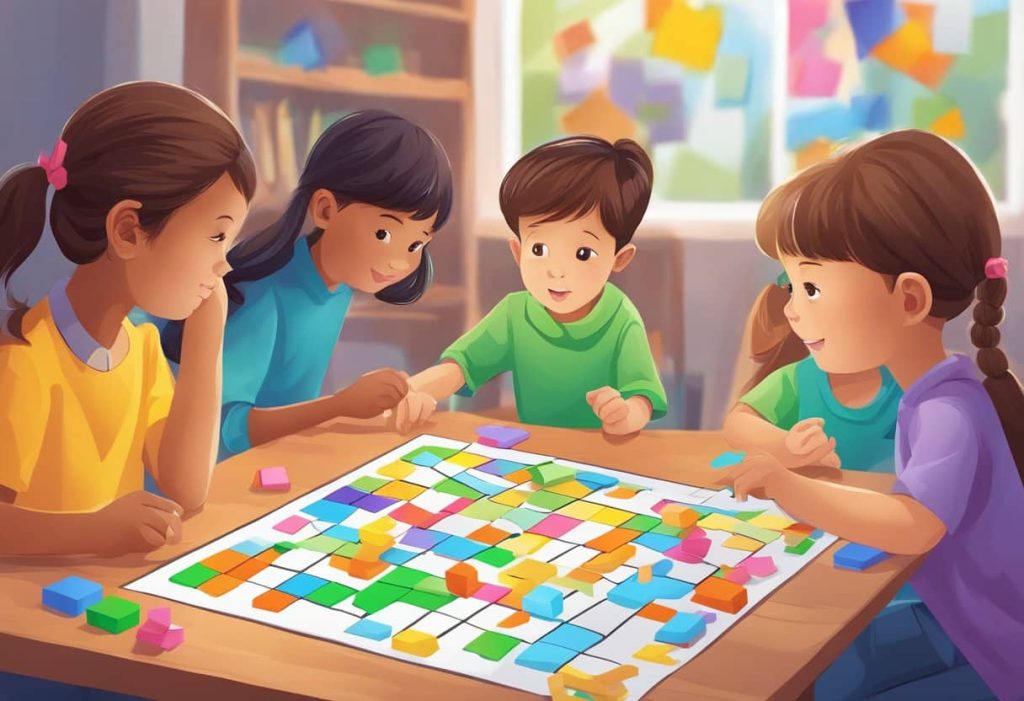
- Encourage Collaboration: Brain teasers can be more enjoyable when solved collaboratively. Design challenges that can be approached as a team effort, promoting group discussions and different problem-solving strategies. This aspect will encourage social interaction and make the experience less isolating.
- Seek Inspiration from Existing Puzzles: Sometimes, the best ideas come from analyzing existing brain teasers. Browse through puzzle books, online platforms, or even mobile apps to find inspiration. Take note of what makes certain teasers engaging and successful, and think about how you could put your own twist on them.
Another crucial aspect of the crafting process is to ensure that your brain teasers evoke a sense of curiosity. Providing just the right amount of challenge, without steering too far into frustration, can make all the difference. For example, a riddle that plays with double meanings or a logic puzzle that requires lateral thinking can stimulate engagement and compel participants to think outside the box.
You’ll find that the creative process of designing brain teasers is a rewarding one. As you explore different styles and formats, don’t be afraid to let your imagination run wild. Experiment with puns, visual cues, or even multimedia elements if you’re designing for a more digital format. Crafting these puzzles not only sharpens your own skills but also creates moments for laughter, learning, and profound connection with others. With the right approach, you’ll not only captivate your audience but also foster a spirit of inquiry and engagement that can last a lifetime.
As you dive deeper into the world of brain teasers, it’s essential to explore various strategies that can enhance your creative output. Whether you’re crafting puzzles for personal enjoyment or developing them for others, understanding the elements that make a brain teaser effective is crucial.
Understanding Structure
Every good brain teaser has a clear structure that guides the solver through a narrative. A well-implemented structure aids in the creation of puzzles that are amusing yet challenging. Start with simple formats, such as riddles that follow a question-answer format or logic puzzles that require deduction. Transitioning from simpler teasers to more intricate problems can cultivate your skills and broaden your creativity.
Leveraging Themes and Topics
Choosing a theme can significantly impact the appeal of your brain teasers. Consider topics that resonate with your audience’s interests or experiences. Themes can range from nature and animals to historical events or everyday life. Aligning your puzzles with relatable content makes them more engaging and encourages others to participate in solving them.
Testing Your Brain Teasers
Putting your creations to the test is vital. Share them with friends or family to gather feedback. Notice where they struggle and where they succeed, as this insight can help you refine your technique. A good brain teaser should be challenging but not impossible, balancing satisfaction with the thrill of discovery.
| Advantages | Key Insights |
|---|---|
| Enhances Critical Thinking | Creating brain teasers challenges you to think critically about how to construct logical pathways. |
| Boosts Creativity | The process of developing your own puzzles fosters creativity and innovation in problem-solving. |
Crafting your own brain teasers can be a rewarding experience that not only entertains but also stimulates the mind. By practicing these strategies and reflecting on the feedback from others, you’ll discover new dimensions to your creativity and become proficient in generating captivating brain teasers.
DISCOVER MORE: Click here for expert tips on puzzle design
Crafting Unique Challenges: Advanced Techniques for Your Brain Teasers
Once you have a firm grasp on the basics of creating brain teasers, it’s time to delve into more complex techniques that can elevate your puzzles to a whole new level. Engaging brain teasers should not only present a challenge but also provoke thought, laughter, and curiosity. Here are some advanced strategies to help you design distinctive brain teasers:
- Incorporate Themes: Themes can add richness to your brain teasers, making them more relatable and enjoyable. Consider using popular culture references, such as movies or books, or subjects like nature, science, or history. A riddle themed around a well-known character or event can create an immediate connection and enhance memorability.
- Use Imagery and Visuals: For those venturing into digital formats or printables, using visuals can significantly enhance engagement. Incorporate images, diagrams, or flowcharts that participants can analyze. Visual brain teasers can be particularly effective for appealing to varied learning styles, making them more stimulating and accessible to a broader audience.
- Play with Formats: Don’t limit yourself to traditional question-and-answer formats. Explore other methods, such as escape room scenarios, scavenger hunts, or even multimedia presentations. Encourage participants to solve clues using items around them or through immersive storytelling, which can lead to an enriching experience.
- Apply Mathematical Concepts: Logically inclined individuals often enjoy brain teasers that integrate math. Utilize basic algebra, geometry, or even number theory to create puzzles that require mathematical reasoning. Formulating a problem or challenge that demands calculations can sharpen analytical skills while still being playful.
- Test and Refine: After crafting a brain teaser, solicit feedback from fellow puzzlers. Observe how they interact with your creation to identify any areas of confusion or difficulty. Refining your puzzles based on real-world testing ensures that they are both stimulating and enjoyable. Creating a safe space for critique can lead to iterative improvements, ultimately elevating the quality of your work.
Acknowledging that not all brain teasers land perfectly on the first attempt is essential. Failure can be an invaluable teacher. Embrace missteps as part of the creative journey, learning to adjust based on how others engage with your puzzles. As such, focusing on a iterative approach will not only improve your skill set but also enhance your ability to entertain and challenge others.
Moreover, consider building narratives into your brain teasers. Structuring puzzles within a storyline can immerse participants in a quest, adding dimension to the challenge. For example, framing a logic puzzle as a detective case can provide context while inviting participants to play a role, elevating the experience from mere problem-solving to storytelling.
Finally, remember that the end goal of crafting brain teasers is to inspire critical thinking and spark joy. The creativity involved is a reflection of your imagination, and each puzzle serves not just as a test of knowledge but as an invitation to explore the boundaries of problem-solving. Take these advanced techniques to heart, and watch your brain teasers transform into captivating adventures that challenge minds and foster connections.
DISCOVER: Click here to learn more
Conclusion: Unlocking the Joy of Brain Teaser Creation
Creating your own brain teasers is not just a fun exercise but a gateway to fostering critical thinking, creativity, and engagement among participants. As you embark on this puzzle-making journey, remember that originality and adaptability are key. Whether you start with simple riddles or advance to intricate scenarios that incorporate themes, visuals, and narratives, the aim is to provoke curiosity and enjoyment. Your ability to challenge others will blossom as you refine your craft through an iterative process.
As you craft these brain teasers, keep your audience in mind. Tailoring your puzzles to fit their interests and skill levels can lead to richer interactions and a greater chance of success. Don’t shy away from seeking feedback; it can illuminate areas for improvement and enhance your creations. Testing your brain teasers with family, friends, or even online communities can provide insights that elevate your work to new heights.
Lastly, embrace the potential for failure. Each misstep is an opportunity for growth, ultimately shaping you into a more adept puzzle creator. By immersing yourself in the world of brain teasers, you not only sharpen your problem-solving skills but also create experiences that build connections and spark joy. So grab your pen, unleash your creativity, and start crafting brain teasers that captivate, challenge, and inspire!