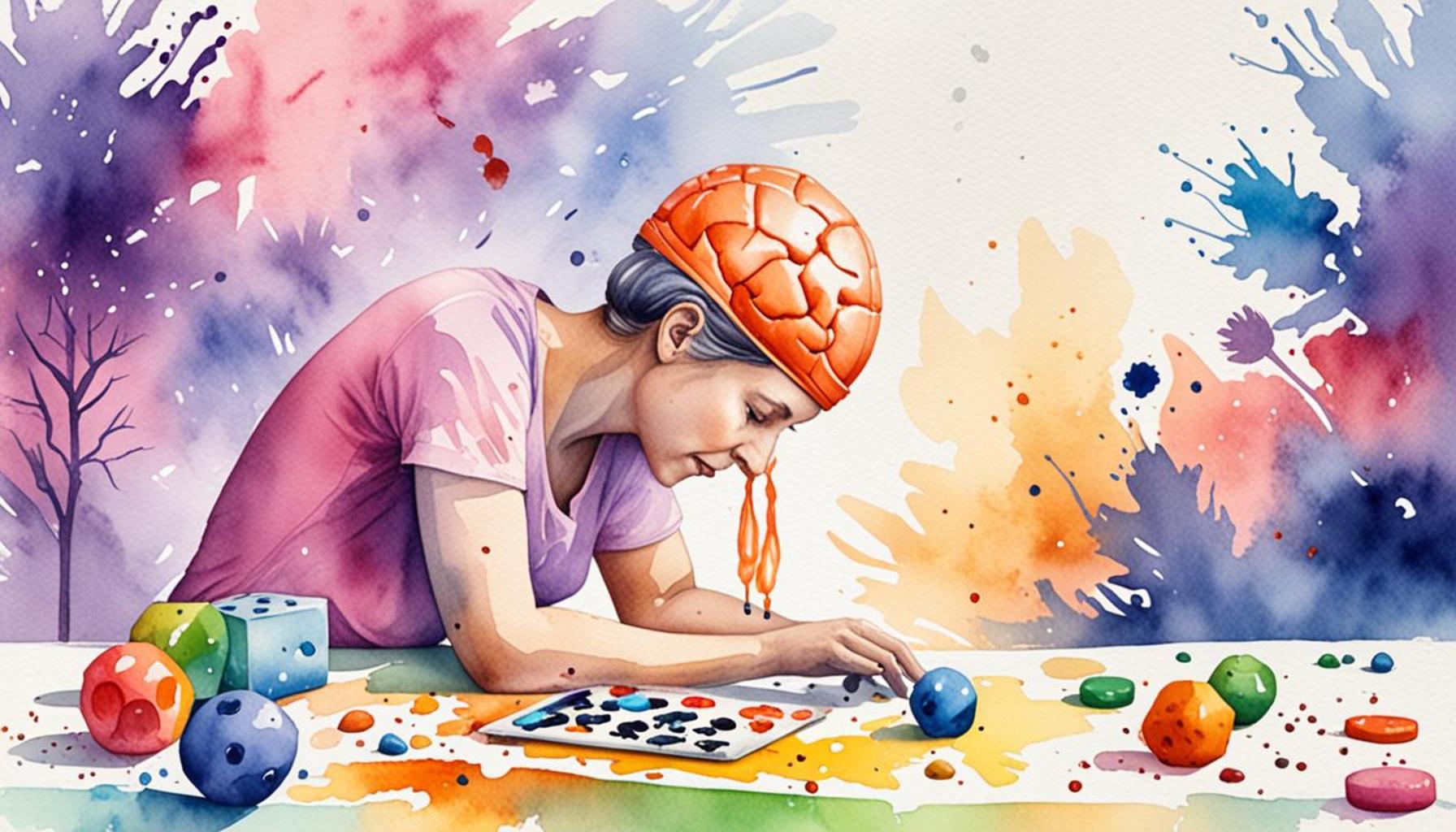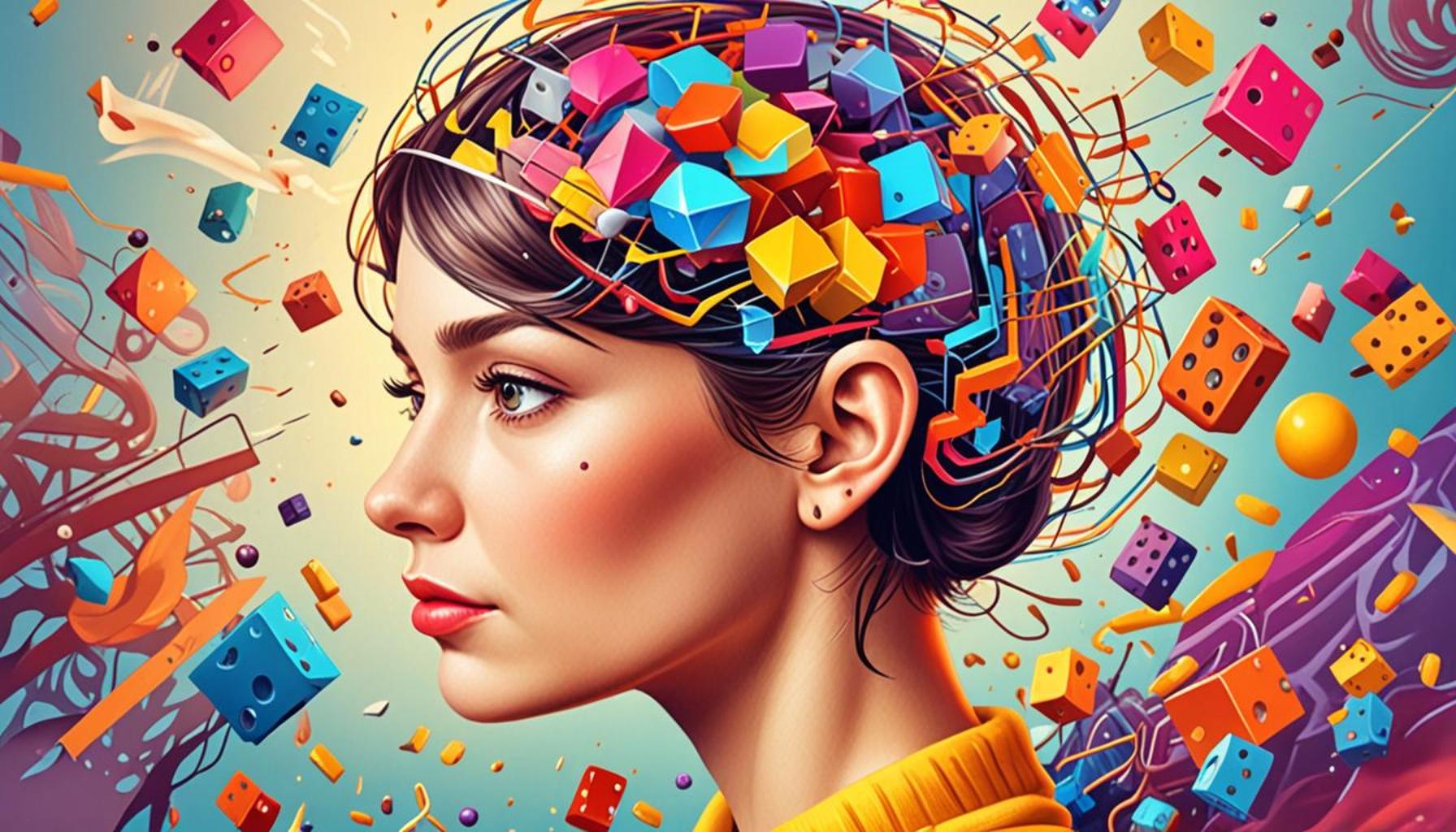
Cognitive Games and Mindfulness: Techniques to Improve Focus and Mental Clarity Through Puzzles

Enhancing Focus Through Engaging Activities
In today’s fast-paced digital age, distractions are omnipresent, making it increasingly challenging to maintain mental clarity and focus. As we navigate our daily lives filled with notifications, social media distractions, and constant information overload, the quest for effective methods to improve concentration has never been more pressing. One intriguing solution lies in the combination of cognitive games and mindfulness techniques. These engaging activities not only serve as a form of entertainment but also play a pivotal role in enhancing mental well-being.
Cognitive games, such as puzzles, memory games, and brain teasers, provide a wealth of benefits that can positively impact various cognitive functions:
- Boost Brain Function: Engaging in challenging activities stimulates the brain, enhancing memory retention, lateral thinking, and problem-solving capabilities. For example, playing Sudoku or solving crossword puzzles can improve numerical skills and vocabulary retention, respectively.
- Reduce Stress: The practice of mindfulness alongside gameplay can significantly lower anxiety levels. Engaging in a few rounds of an immersive game can provide an escape from daily stressors, while mindfulness encourages a calming and centering stance that cultivates peace of mind.
- Increase Focus: Regular participation in cognitive games can significantly improve concentration and attention spans. Studies have shown that playing strategy-based games like chess can enhance a player’s ability to maintain attention and think ahead, skills that are transferable to real-life scenarios.
The integration of mindfulness techniques into your gaming routine can amplify these benefits. Consider implementing the following approaches to maximize your mental engagement:
- Deep Breathing: Taking a moment to center your mind through deep breathing exercises before starting a game can lead to enhanced engagement. This practice quiets the mind, making it easier to concentrate on the tasks at hand.
- Observation: Actively observing your surroundings during gameplay can sharpen your awareness and enhance your situational responsiveness. By being present, players can better absorb the details required for strategic decision-making.
- Reflection: After gaming sessions, taking time to reflect on your experiences can yield valuable insights into your thought processes and decision-making strategies. This practice not only reinforces the skills learned but also strengthens problem-solving abilities over time.
As we continue to explore the innovative strategies connecting cognitive games and mindfulness, the potential for personal growth becomes increasingly clear. By incorporating these methods into your daily routine, you can transform your approach to challenges, unlocking your cognitive potential and fostering a sharper mindset. Ready to embark on this journey towards enhanced focus and mental acuity? The tools are at your fingertips—discover the power of play combined with mindfulness.
DISCOVER MORE: Click here to enhance your cognitive skills
Unlocking the Cognitive Potential through Games
The connection between cognitive games and mindfulness techniques lies in their shared ability to promote mental agility and clarity. The brain operates in much the same way a muscle does—it thrives on challenge and engagement. When individuals participate in cognitive games such as crosswords, sudoku, and strategy puzzles, they stimulate cognitive processes essential for improved focus. Research has shown that playing these games can lead to long-term enhancements in cognitive abilities, making them a valuable addition to anyone’s daily routine.
Moreover, the benefits extend beyond mere entertainment; the integration of mindfulness adds a layer of depth to the gaming experience. Engaging in a puzzle that requires intense focus, coupled with mindfulness practices, creates an environment where stress diminishes and cognitive load lessens. Here’s how these elements work together:
- Mindfulness Increases Presence: The foundation of mindfulness is being present in the moment. By centering your attention before gameplay, you maximize your capacity to absorb information and think critically. Mindful play, free from distractions, enhances the overall experience and encourages deeper engagement.
- Games Foster Critical Thinking: Cognitive games are designed to challenge the brain’s ability to problem-solve. Whether it’s figuring out the next move in chess or unraveling a complex puzzle, these activities encourage players to think critically and strategically.
- Stress Reduction through Play: Implementing mindfulness techniques during gameplay can significantly lower cortisol levels, the hormone associated with stress. This reduction creates a conducive mental space for increased focus and mental clarity.
- Habit Formation for Better Focus: Regularly participating in cognitive games can help form positive habits that enhance concentration in various areas of life, including work and studies. This habit-building element is crucial for maintaining focus over time.
Incorporating these practices into your gaming routine can take the experience to the next level. Consider setting aside time each day for focused play. By establishing a consistent schedule, you can condition your mind to enter a state of heightened awareness and improved cognition during gameplay. The more you practice these techniques together, the more effectively they can transform not only your ability to focus but also your overall approach to challenges.
As we delve deeper into the synergy between cognitive games and mindfulness, it becomes increasingly evident that this combination has the potential to reshape our understanding of mental clarity. With the rising concern over declining attention spans in modern society, embracing these engaging and beneficial activities might just provide the solution many seek. Get ready to unlock the door to a sharper mind and enhanced cognitive function through the power of play and mindfulness.
Cognitive games have gained significant prominence as tools for enhancing mental clarity and focus. These games are not merely for entertainment; they serve as practical exercises for the brain, sculpting cognitive functions and sharpening mental acuity. Engaging in puzzles such as crosswords, Sudoku, and logic games can stimulate various areas of the brain, yielding impressive benefits. Studies show that consistent participation in these games leads to improved problem-solving skills and heightened concentration. Here are some defined advantages of integrating cognitive games into mindfulness practices:
| Category | Advantages |
|---|---|
| Enhanced Problem-Solving Skills | Cognitive games challenge the brain, enabling players to develop better analytical thinking. |
| Increased Mental Agility | Regular engagement can strengthen neural pathways, resulting in quicker responses and improved agility in thought processes. |
| Better Focus and Attention | Puzzles demand concentration, thereby training the mind to maintain attention for longer periods. |
Moreover, the incorporation of mindfulness techniques while engaging in these cognitive activities can amplify their effectiveness. By focusing on the present moment, individuals may experience reduced stress levels, fostering a conducive environment for optimal brain function. Mindful puzzle-solving encourages a heightened awareness of cognitive processes, transforming mundane tasks into profound brain workouts.
Another compelling reason to delve into cognitive games is their accessibility. Nowadays, there are numerous digital platforms and applications that offer a variety of puzzles catering to different difficulty levels, making it easy for anyone to start their cognitive journey. Furthermore, many platforms also provide statistics on progress, allowing users to track their improvements over time.
In conclusion, the burgeoning interest in cognitive games, combined with mindfulness practices, presents a unique opportunity for holistic mental enhancement. As individuals explore these techniques, they unlock the potential for sharper cognitive skills and heightened clarity.
DIVE DEEPER: Click here to enhance your memory mastery
Enhancing Focus through Strategic Play
As we further explore the alliance between cognitive games and mindfulness, it’s vital to consider various strategies and practical applications that foster not only improved focus but also sharpen mental acuity. One effective strategy is the combination of engaging in stimulating games with structured mindfulness exercises.
Participating in games like jigsaw puzzles and memory matching games can serve as an excellent exercise for the mind, but when paired with mindfulness techniques, these activities can yield astounding results. Here are some innovative ways to synergize cognitive gameplay with mindfulness:
- Breath Awareness Before Gameplay: Taking a few moments to focus on deep, intentional breaths before beginning a puzzle can dramatically enhance your state of mind. This practice calms the mental noise and prepares your brain for the task ahead, allowing for a more rewarding gaming session.
- Setting Intentions: Before sitting down with a crossword or logic puzzle, setting clear intentions on what to achieve can enrich the experience. Whether it’s improving accuracy or simply enjoying the moment, this clarity fuels concentration.
- Mindful Breaks: During gameplay, integrating short mindful breaks can prevent cognitive fatigue. Stepping away for a moment to breathe and meditate can refresh your mental resources and rejuvenate focus.
- Visualization Techniques: Even while playing games, visualizations of success can enhance performance. Picturing yourself navigating through complex puzzles can bolster confidence and increase your cognitive throughput.
Research indicates that incorporating such mindful approaches while engaging in cognitive games not only enhances task performance but may also extend these benefits into everyday life. A study published in the journal Cognitive Psychology revealed that individuals who practiced mindfulness alongside cognitive tasks showed a marked improvement in their processing speed and ability to retain new information. In essence, by leveraging the power of mindfulness during puzzles, participants reported less mental strain and better problem-solving capabilities.
Fascinatingly, a New York-based study found that adults who participated in cognitive games while employing mindfulness techniques reported higher levels of engagement and positivity toward brain-stimulating activities. This positive reinforcement can further encourage regular participation, leading to sustained cognitive benefits.
Moreover, with the rise of technology, online platforms and apps dedicated to cognitive games have integrated mindfulness features directly into their interfaces. Many puzzle applications now include guided breathing exercises or calming background music, making the blend of both practices even more accessible. This facilitates not only convenience but also encourages users to take full advantage of these techniques in a busy world.
As cognitive games continue to evolve, understanding their connection to mindfulness opens up a vast landscape for enhancing focus and mental clarity. These strategies may represent just the tip of the iceberg in discovering how playful engagement can drastically transform cognitive health while promoting a mindful approach to daily challenges.
DISCOVER MORE: Click here to uncover the evolution of puzzle challenges
Conclusion: Unlocking the Potential of Mindful Play
In an age swamped with distractions and information overload, the convergence of cognitive games and mindfulness emerges as a promising strategy to boost focus and enhance mental clarity. By integrating engaging puzzles with mindfulness techniques, individuals can carve out a powerful avenue for cognitive improvement while nurturing a balanced state of mind. The practices of breath awareness, setting clear intentions, and utilizing mindful breaks serve as essential tools to maximize performance and reduce mental fatigue.
As seen in various studies, the effects of mindful engagement in cognitive activities extend far beyond the gaming session, fostering better information retention and quicker processing speeds in daily tasks. The positive correlation between improved mental health and sustained participation in these activities highlights a compelling reason to incorporate cognitive games into our routines. Moreover, the advent of technology has made it easier than ever to blend these practices seamlessly, allowing users to access features that promote mindfulness amid gameplay.
Ultimately, fostering a mindset of mindful play—where enjoyment meets strategic engagement—opens up new horizons for cognitive enhancement. Exploring these techniques can be a transformative experience, revealing that enhancing focus and mental clarity is not merely about increasing productivity, but also about cultivating a deeper connection with our cognitive processes. As we discover more about the intricate link between cognitive games and mindfulness, we unlock the potential for a healthier, more engaged approach to both leisure and life challenges.