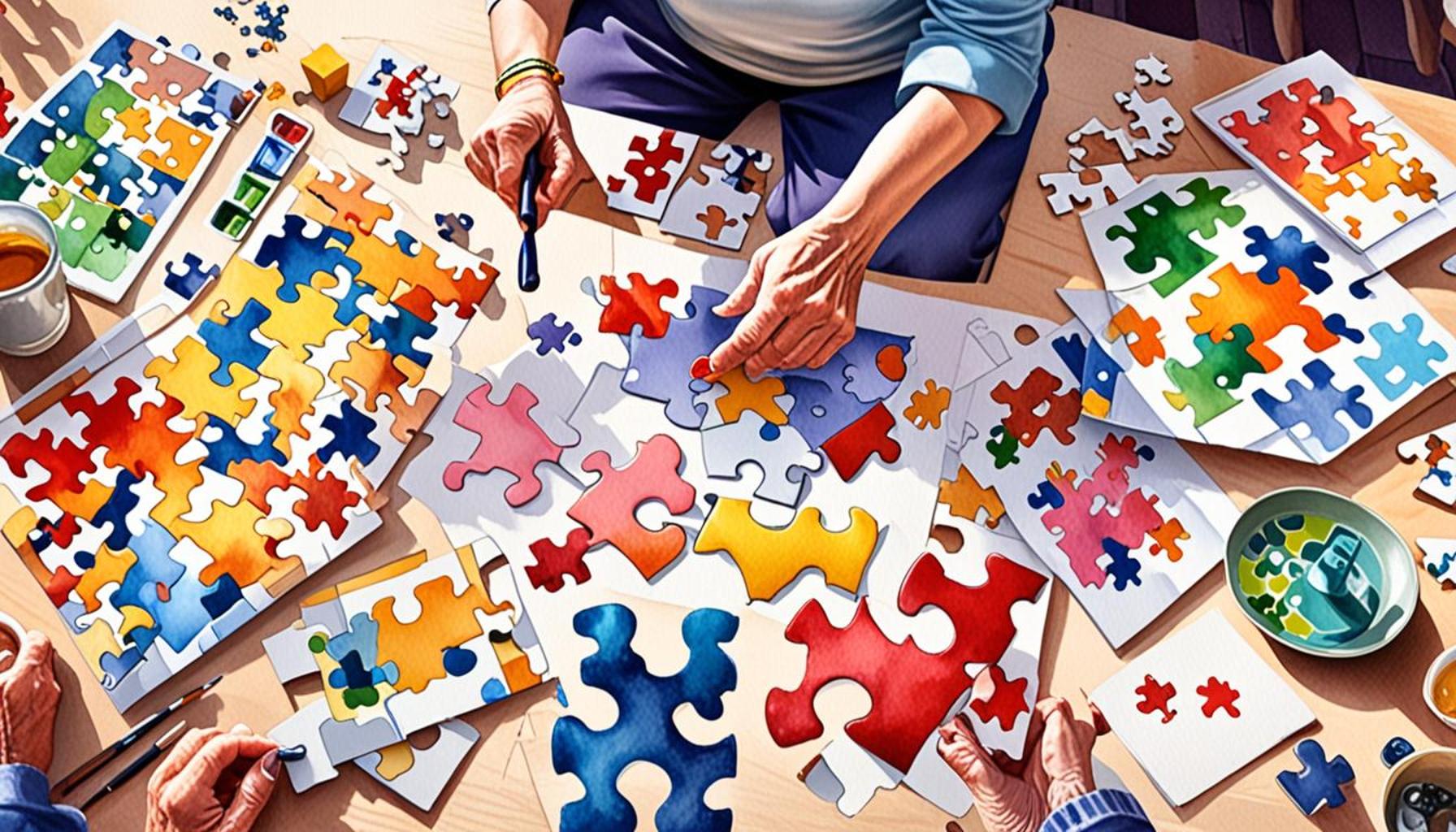
The Role of Social Interaction in Cognitive Games: Building Connections Through Puzzles
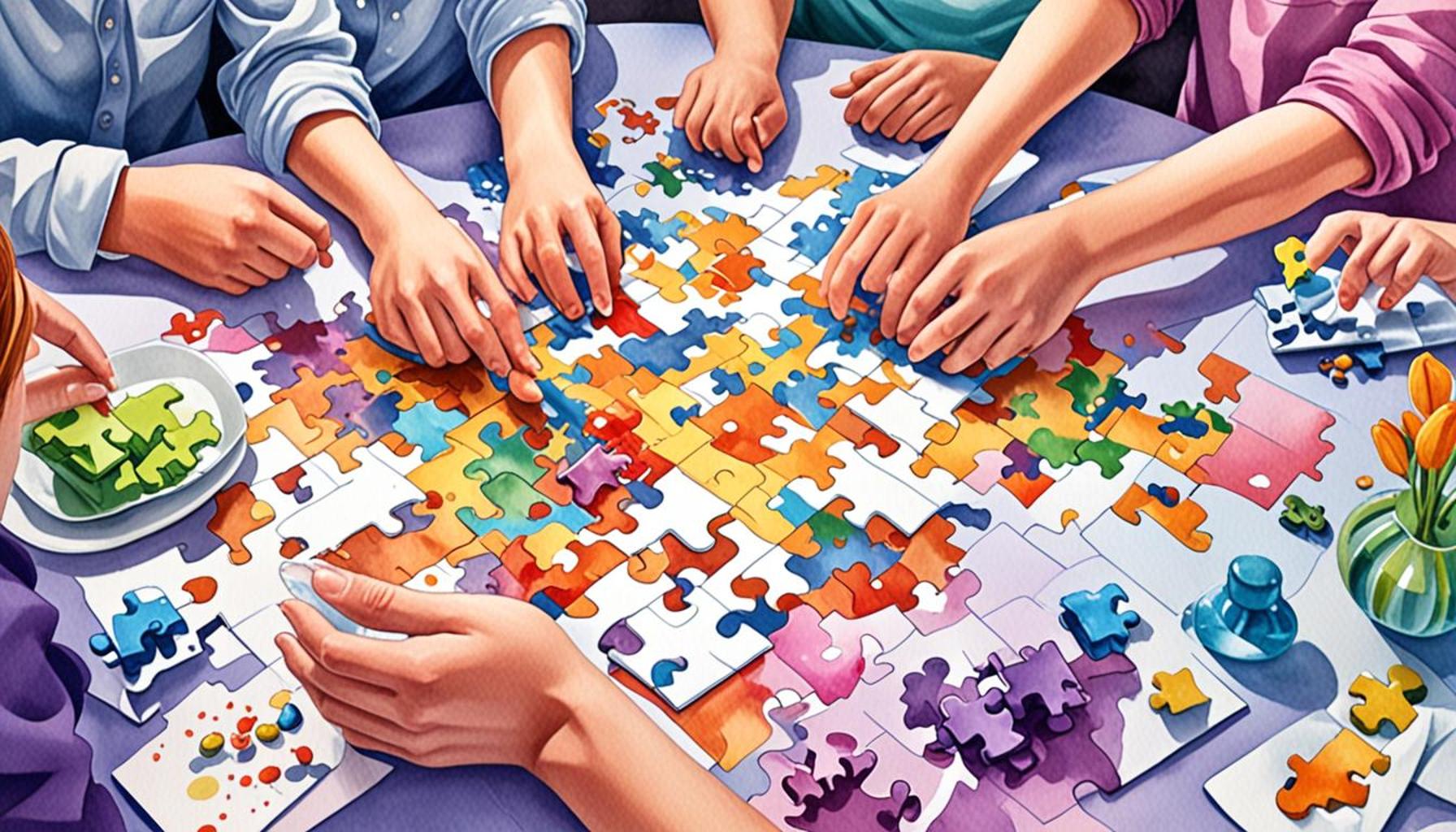
Understanding the Role of Social Interaction in Cognitive Games
Cognitive games have surged in popularity, providing not only mental stimulation but also an extraordinary avenue for fostering social interaction. As players engage in various cognitive challenges, they often find themselves forming connections that transcend the digital or physical space in which they compete. These games create an environment where camaraderie flourishes, thereby enhancing social circles.
Unlike traditional games, which might be predominantly solitary or competitive, cognitive games often emphasize collaboration. The following elements illustrate how they facilitate invaluable social connections:
- Teamwork: Many cognitive games necessitate players to join forces to overcome obstacles. For instance, games like Portal 2 or online escape room challenges require players to combine their unique skills and perspectives, encouraging teamwork. This collaborative problem-solving process helps cultivate trust and better interpersonal relationships.
- Community: The rise of online platforms has birthed vibrant communities of avid gamers. Websites like Reddit or dedicated forums for games like Wordle or Sudoku allow players to share strategies, discuss solutions, and even form friendships. These platforms serve as a social hub where individuals bond over shared interests and collective experiences.
- Skill Development: Participants not only enhance their cognitive abilities through problem-solving but also learn essential social skills, such as effective communication and active listening. As an example, players of collaborative board games like Catan must negotiate trades and discuss strategies, making them more adept at articulating their thoughts and understanding others’ viewpoints.
Research supports the notion that engaging in cognitive games can lead to improvements in social skills and emotional intelligence. A study published in the journal Personality and Individual Differences found that groups playing cooperative games showed enhanced empathy towards one another, attributing this change to the shared experiences during gameplay. Such findings stimulate further discussion about the profound implications these games have on human relationships and community building.
As we continue to explore this intersection of cognitive challenges and social engagement, it becomes increasingly clear that these games do more than just provide entertainment; they foster deep connections, collaboration, and a true sense of belonging. The journey through cognitive games not only sharpens the mind but also enriches our social fabric, demonstrating that every puzzle solved collectively brings people closer together.
DISCOVER MORE: Click here to enhance your memory skills
Team Dynamics and Collaboration in Cognitive Games
The essence of cognitive games lies in their ability to foster group collaboration and teamwork, which are integral to social interaction. These games often require players to communicate and strategize together, forming a deep sense of connection that can manifest beyond the gaming experience. This interactive nature is what sets cognitive games apart from more traditional or solitary forms of play.
When players engage in teamwork-centric cognitive games, they encounter scenarios that not only challenge their intellect but also their ability to work harmoniously with others. Games such as Escape Room puzzles exemplify this concept, where success relies heavily on the group’s collective problem-solving skills. Participants must listen to each other’s suggestions, combine different approaches to tackle challenges, and allocate tasks based on individual strengths. This necessitates a level of communication and collaboration that can lead to lasting friendships and improved social dynamics.
Furthermore, the ability to work within a team can enhance players’ interpersonal skills. Cognitive games promote understanding of diverse viewpoints as individuals explore different solutions together. A joyful environment is created when players celebrate each other’s ideas and collectively brainstorm, resulting in a sense of belonging that is fundamental to human connection.
Benefits of Cooperative Gameplay
Participation in cognitive games offers a variety of social benefits, including:
- Enhanced Communication: Players must articulate their thoughts clearly and concisely, which improves their overall communication skills—an essential quality both in and out of play.
- Negotiation Skills: Engaging in strategy games where players must negotiate and reach compromises, such as Catan, gives participants practical experience in resolving conflicts and working towards a common goal.
- Trust Building: As players tackle complex challenges and rely on one another’s expertise, they foster a deeper sense of trust, which is vital for creating lasting social bonds.
Studies have shown that these cognitive games can significantly impact social dynamics, with research from prominent institutions highlighting improvements in teamwork and communication among players. In fact, a significant number of players reported feeling more connected to their teammates after playing cooperative cognitive games, indicating a clear link between gameplay and interpersonal relationships.
The findings reveal intriguing insights into the potential of cognitive games to serve as a platform for relationship-building. As individuals navigate puzzles together, they not only cultivate their cognitive abilities but also lay the groundwork for emotional connections that oftentimes extend beyond the gaming table.
As we delve deeper into the role of social dynamics in cognitive games, it’s evident that building connections through puzzles is not just a byproduct; it is a fundamental feature of the gaming experience. By understanding these interactions, we can appreciate the collaborative nature of cognitive games and their lasting impact on social relationships.
The Importance of Collaboration in Cognitive Games
Cognitive games serve as a breeding ground for social interaction, providing opportunities for players to engage with each other on various levels. The essence of these games often lies not just in solving the puzzles, but in the collaborative experience that fosters connections. Participating in these games encourages communication, sharing ideas, and teamwork. This collaborative aspect can significantly enhance social skills, making them a valuable tool in both educational and recreational contexts.Research suggests that when individuals engage in cognitive games as a group, they benefit from a rich exchange of strategies and perspectives. This interaction promotes a deeper understanding of the game mechanics and enhances critical thinking skills. Furthermore, the ability to work through challenges collectively can build strong bonds among players, fostering a sense of community and improving interpersonal relationships.A fascinating aspect of cognitive games is their ability to appeal to a wide demographic, enabling diverse groups to come together. Players of different ages and backgrounds can collaborate or compete, enriching the social experience as they learn from one another. Platforms that incorporate cognitive games often highlight user-generated content, where players contribute puzzles or challenges, thus further encouraging social interaction.Moreover, cognitive games can serve as icebreakers in social settings, easing tension and fostering camaraderie among participants. As players engage in friendly competition and celebrate each other’s successes, the barriers of unfamiliarity begin to diminish. This facilitates a more inclusive environment where everyone feels valued and involved.In summary, the role of social interaction in cognitive games goes beyond mere entertainment; it is about building connections and cultivating essential social skills. Through collaborative play, players can develop lasting friendships and enhance their cognitive abilities. The benefits are multifaceted, making cognitive games a compelling focus for anyone interested in psychology, education, or simply enjoying meaningful social exchanges through playful engagement.
DISCOVER MORE: Click here to enhance your memory skills
The Psychological Impact of Social Interaction in Cognitive Games
The role of social interaction in cognitive games significantly influences not just the social fabric among players, but also their emotional and psychological well-being. Engaging in collaborative gameplay helps participants to foster resilience and cope with stress, as they experience a shared sense of accomplishment while navigating challenges together. The brain releases neurochemicals like oxytocin and dopamine during such interactions, contributing to feelings of happiness and bonding, which further underscores the emotional benefits derived from cooperative puzzle-solving.
Cognitive games serve as an essential outlet for individuals seeking relief from the pressures of everyday life, especially post-pandemic when social isolation became common. These games encourage an entertaining distraction where players can unite towards a common objective, allowing for a space of shared laughter and emotional release. For instance, games like Werewolf or The Resistance require players not just to think creatively but also to engage in social deception, sparking laughter, surprise, and excitement. Such experiences reinforce emotional ties and create communal joys that resonate long after the game session has ended.
Building Communication Skills through Interactive Play
Participation in cognitive games uniquely cultivates communication skills as players express their ideas, thoughts, and emotions in real time. Players learn to be more receptive to non-verbal cues, which are vital in understanding the dynamics of any team. Moreover, games that incorporate storytelling elements, like Dungeons & Dragons, allow participants to practice articulating their thoughts in imaginative ways, pushing the boundaries of their creativity and enhancing their storytelling abilities. This interplay between words and collaborative role-playing enables individuals to explore their identities while enjoying a friendly atmosphere.
The cognitive aspect of these skills becomes even more apparent as players must adapt their communication styles based on the game’s context. That adaptability is essential in professional settings as well, where effective communication and collaboration are paramount. A survey conducted by the Institute for Play highlighted that 78% of respondents found that playing cognitive games improved their communication skills in real-life contexts, thereby illustrating the crossover benefits between gaming environments and critical social situations.
Social Bonds and Inclusivity in Cognitive Games
Inclusivity is another vital element of social interaction in cognitive games. Games designed for diverse player groups encourage participation from various demographics, reinforcing connections across age, gender, and cultural boundaries. Multiplayer platforms like Jackbox Party Pack allow friends and family members to engage in fun, relaxed game nights while inviting new players to join, making the experience universally engaging. As players interact with others from different backgrounds, they inevitably broaden their perspectives, fostering empathy and understanding in an increasingly interconnected world.
Furthermore, many cognitive games cater to varying skill levels, which enhances accessibility, ensuring that everyone can contribute to the collective goal of success. There’s power in inclusivity as it motivates players to share their unique strengths while learning from unfamiliar strategies—transforming a standard game night into a collaborative hub of creativity and innovation.
Research continues to surface on the notions of inclusivity and social connection in the realm of cognitive games, revealing how valuable they are as tools for creating meaningful friendships and fostering community engagement. Players not only cultivate critical thinking skills but also learn vital lessons in empathy, teamwork, and respect that can last a lifetime.
DISCOVER MORE: Click here to unravel the history of brain teasers
Conclusion: Strengthening Connections Through Cognitive Gameplay
As we explore the role of social interaction in cognitive games, it becomes evident that these engaging activities serve as more than mere entertainment. They are powerful tools that enhance emotional well-being, foster inclusivity, and cultivate essential communication skills among participants. The collaborative nature of games such as The Resistance and Jackbox Party Pack demonstrates how players can unite in pursuit of common goals, forging bonds that withstand the test of time.
The psychological benefits, highlighted by neurochemical reactions that promote happiness and connection, reveal an intriguing relationship between play and mental health. In a post-pandemic world, where social isolation remains a lingering challenge, cognitive games provide a vital platform for individuals to reconnect and find joy in shared experiences. They embody the essence of communal laughter and strategic interaction, reinforcing emotional ties that contribute to a sense of belonging.
Furthermore, the inclusivity these games promote not only allows varied demographics to participate but also encourages empathy and understanding across cultural divides. As players embrace diverse strategies and skills, they foster an environment of respect and collaboration, which is essential in today’s interconnected society.
Ultimately, engaging with cognitive games goes beyond mere fun; it is an investment in interpersonal relationships and personal development. The findings and experiences shared within this realm beckon further exploration, inviting players and researchers alike to delve deeper into the intricate connections that arise from puzzle-solving and gameplay. As we navigate the complexities of modern life, the insights gathered from cognitive games may hold the key to building a more connected and resilient community.