The Use of Cognitive Games in Therapy: Innovative Approaches for Mental Health Professionals

The Transformative Role of Cognitive Games in Mental Health Therapy
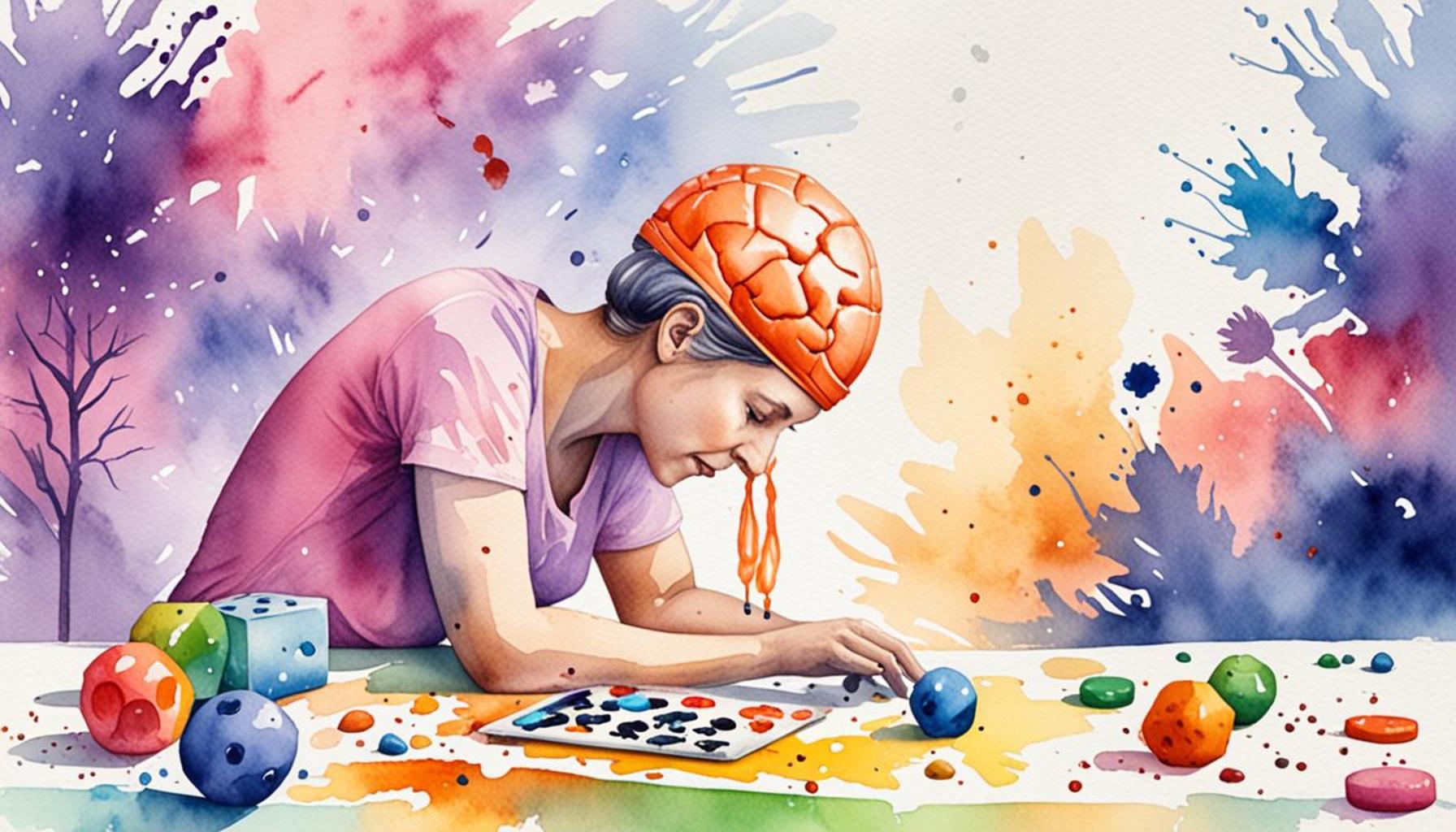
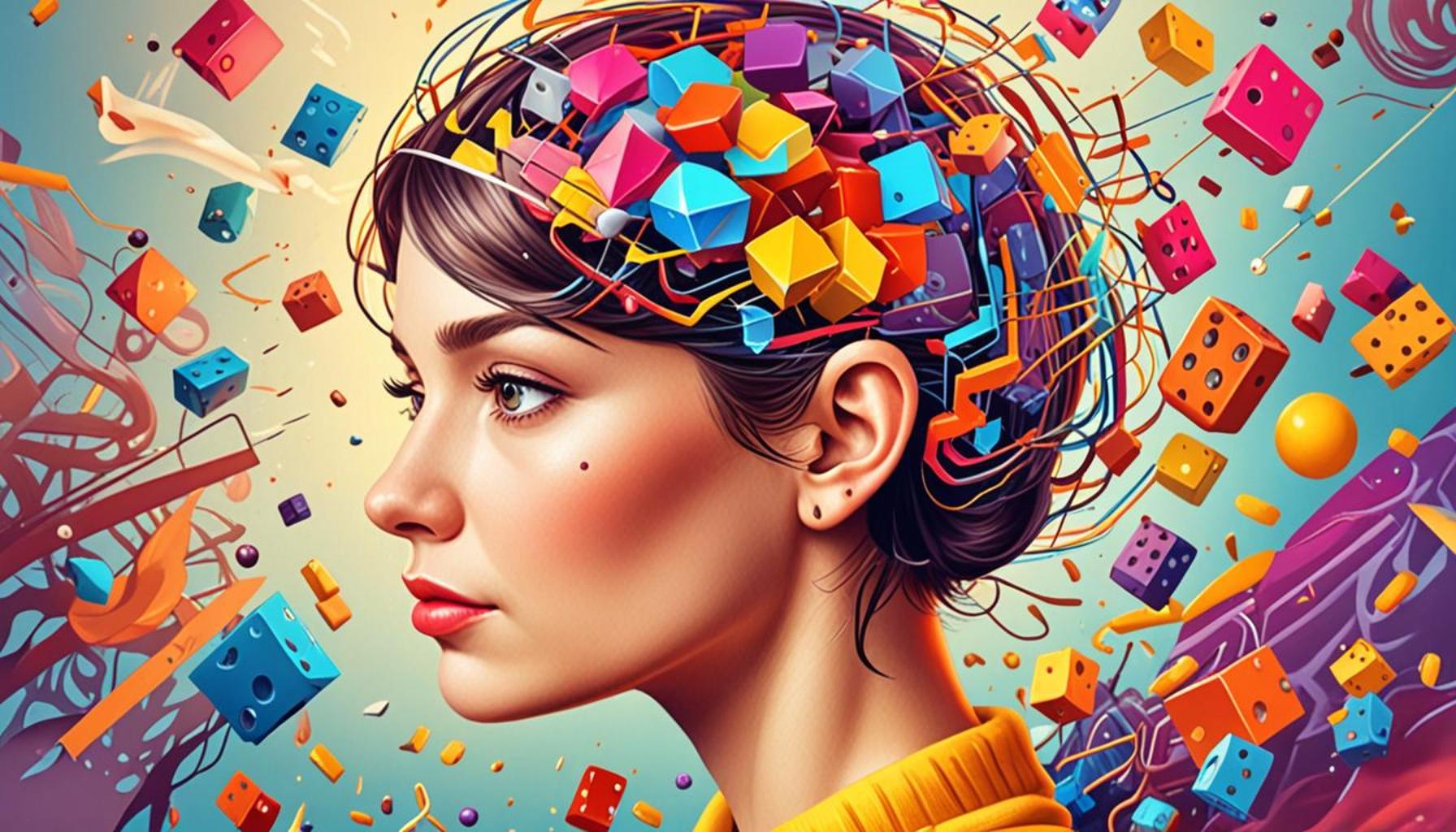
Innovative strategies in mental health treatment are increasingly incorporating cognitive games, leading to a newfound synergy between play and therapeutic methods. Mental health professionals are finding that integrating these engaging tools not only enhances treatment outcomes but also creates a more inviting atmosphere for clients. By combining therapeutic interventions with enjoyable activities, therapists can build stronger therapeutic alliances and foster a sense of agency in their clients.
The advantages of cognitive games are multifaceted and offer noteworthy benefits for clients. For instance, enhanced cognitive function derived from these games stimulates critical thinking and problem-solving skills, essential for individuals dealing with various cognitive impairments. Games such as chess or even puzzle-based apps provide individuals with challenging scenarios that demand strategic planning and forethought, ultimately promoting neuroplasticity.
Moreover, cognitive games contribute to improved emotional regulation. Through gaming, individuals can safely explore complex emotions and learn to express themselves creatively, leading to healthier emotional responses. For example, role-playing games allow players to navigate social situations, helping them practice emotional responses in a controlled environment where real-world consequences are minimized.
Equally important is the increased motivation that cognitive games inspire. Their interactive nature often leads to heightened engagement in therapy sessions. By transforming traditional therapeutic activities into fun challenges, therapists can encourage clients to participate more freely and consistently, fostering a sense of achievement and progress throughout the therapeutic journey.
As mental health issues, including depression and anxiety, continue to surge in the United States, the utility of cognitive games becomes all the more significant. For instance, when addressing depression, games can serve not only as effective distraction tools but also platforms for emotional expression, helping clients articulate feelings they may struggle to verbalize otherwise. Similarly, clients grappling with anxiety can use these games to confront fears and practice coping strategies in a way that feels safe and manageable.
Furthermore, those with ADHD can benefit significantly from cognitive games designed to improve focus and impulse control. Interactive games that require sustained attention can train the brain to filter distractions, paving the way for better concentration in both therapeutic and everyday contexts.
The myriad applications of cognitive games in therapy are vast, yet many remain underexplored. As the mental health community increasingly embraces these innovative approaches, one question arises: how can cognitive games reshape the therapeutic landscape to better meet the needs of clients? The promise of bridging gaming and therapy invites further investigation and holds the potential for substantial advancements in mental health treatment methodologies.
DIVE DEEPER: Click here to learn more about cognitive games as a rehabilitation tool</
Revolutionizing Therapeutic Techniques with Cognitive Games
As mental health practitioners adapt to the evolving landscape of therapy, cognitive games are emerging as versatile instruments in their toolkit. These games—ranging from digital puzzle apps to traditional board games—are more than mere distractions; they represent a pioneering method to engage clients in ways that are both enjoyable and conducive to healing. By leveraging gaming elements, therapists are building unique pathways to address mental health issues while simultaneously encouraging personal growth.
Cognitive games can profoundly impact therapeutic engagement, creating an immersive experience that holds clients’ attention. This engrossing quality can significantly decrease resistance to therapy, as clients frequently view these interventions as enjoyable rather than daunting. In a study published by the American Psychological Association, researchers found that clients who engaged with cognitive games during therapy sessions reported higher satisfaction levels and a greater sense of achievement compared to traditional methods.
Benefits of Cognitive Games in Therapy
While the excitement surrounding cognitive games is palpable, understanding the specific benefits will help mental health professionals tailor their use even further. These advantages include:
- Skill Development: Cognitive games provide an effective platform for enhancing critical skills. Clients can work on attention, memory, and problem-solving abilities—all of which are crucial for effective coping mechanisms.
- Behavioral Insights: Playing games can unveil behavioral patterns that clients may not recognize. For example, how they react when facing challenges in a game can offer insights into their stress responses in real life.
- Social Interaction: Many cognitive games encourage group participation, which can foster social skills and improve interpersonal communication. This is particularly beneficial for clients with social anxiety or autism spectrum disorders.
- Tailored Interventions: Different games can be tailored to meet the unique needs of clients. This customization allows therapists to align the games with specific therapeutic goals, whether focusing on emotional regulation or behavioral changes.
In addition to addressing cognitive and emotional facets, cognitive games can also enhance client-therapist relationships. The playful nature of games can break down traditional hierarchies in therapy, fostering a sense of collaboration that encourages clients to be more open. Moreover, these tools can serve as icebreakers during sessions, prompting discussions that may not have arisen in a conventional setting.
For instance, a therapist working with a child struggling with anxiety might introduce a simple online game focused on relaxation techniques. As the child engages with the game, the therapist can integrate discussions about panic and stress in a natural, relatable context. This approach not only provides the child with coping strategies but also encourages a dynamic conversation about feelings that might typically be challenging for them to articulate.
Ultimately, the introduction of cognitive games into therapy showcases a fundamental shift in how mental health interventions are structured. By melding fun with functionality, therapists can unlock new dimensions of healing, advancing the objective of fostering emotional and cognitive well-being in their clients. As this trend gains momentum, it invites both mental health professionals and clients to explore the vast landscape of therapeutic potential that cognitive games offer.
| Advantage | Description |
|---|---|
| Enhanced Cognitive Skills | Cognitive games target areas such as memory, attention, and problem-solving, fostering growth and rehabilitation in clients. |
| Increased Engagement | Utilizing playful formats, these games can lead to a stronger client-therapist relationship, as clients often feel more comfortable in a game-oriented environment. |
| Data-Driven Insights | Therapists can track progress and adjust treatment plans based on objective game metrics, enhancing personalized approaches. |
| Stress Reduction | Cognitive games can serve as a form of relaxation therapy, reducing anxiety while stimulating mental functions. |
The application of cognitive games in therapy presents a multitude of opportunities for both practitioners and patients. Not only do these games facilitate the improvement of vital cognitive functions, but they also enhance the therapeutic experience by making it more engaging and enjoyable for clients. The data-driven nature of these games allows professionals to gather valuable insights on patient progress, enabling tailored interventions that fit individual needs.Moreover, the incorporation of gamified elements fosters a unique therapeutic dynamic, encouraging clients to approach their treatment with a positive mindset. This shift can significantly diminish feelings of stress and anxiety, creating a space for open communication and trust. By embracing these innovative approaches, mental health professionals are positioned to redefine therapy as an interactive journey rather than a mere obligation, ultimately leading to enhanced outcomes for their clients.
DISCOVER MORE: Click here to dive into the history of brain teasers
Enhancing Therapeutic Outcomes Through Structured Play
As mental health professionals delve deeper into the realm of cognitive games, it becomes evident that the structured nature of these games is central to their effectiveness. Unlike conventional activities, cognitive games are meticulously designed to challenge and stimulate various mental processes, ensuring that clients are not merely playing but actively engaging their minds in ways that parallel therapeutic goals.
The Science Behind Cognitive Engagement
Research has documented the neurological benefits of cognitive engagement that occur during gameplay. Engaging with cognitive games increases neuroplasticity, the brain’s ability to reorganize itself by forming new neural connections throughout life. This adaptability is particularly significant for clients dealing with challenges such as depression, anxiety, and trauma. According to a study published in the journal Cognitive Therapy and Research, participants who regularly engaged with cognitive enhancement games showed marked improvements in memory and emotional regulation, highlighting the substantial therapeutic potential of play.
Moreover, recent advancements in game design emphasize the importance of feedback mechanisms that motivate players and keep them invested in their progress. Many cognitive games incorporate instant feedback systems that allow players to track their performance, fostering a growth mindset. For example, a game that challenges players to solve increasingly complex puzzles can instill a sense of accomplishment as they see tangible improvements over time. Mental health professionals can leverage this feature to reinforce positive behavior changes within treatment plans, helping clients set achievable goals and celebrate their progress.
Case Studies and Real-World Applications
One compelling example of cognitive games in practice involves the use of game-based interventions for elderly populations struggling with cognitive decline. Programs integrating board games that target memory and problem-solving have shown promising results in slowing the progression of dementia symptoms. In a pilot study conducted at a renowned geriatric care facility, participants who played memory-boosting games demonstrated a 30% increase in cognitive function compared to those who did not participate in these structured play experiences.
In pediatric therapy, mental health professionals are applying gaming strategies to assist children diagnosed with Attention-Deficit/Hyperactivity Disorder (ADHD). By incorporating interactive, attention-grabbing cognitive games into therapeutic sessions, therapists have noted improvements in clients’ attention spans and impulsivity. These games not only captivate children’s attention but also serve as an engaging format for teaching essential coping mechanisms, such as deep breathing and mindfulness practices.
Ethical Considerations and Professional Training
While the benefits of cognitive games are evident, mental health professionals must also navigate ethical considerations when integrating games into therapy. Ensuring that games are age-appropriate, culturally sensitive, and align with client goals is crucial. Continuous professional development and training in the nuanced application of cognitive games can empower therapists to adapt these tools effectively. Numerous workshops and online courses now focus on seamlessly blending game elements with therapy, enabling professionals to enhance their interventions and elevate client experiences.
The increased interest in cognitive games as therapeutic instruments also opens up exciting avenues for interdisciplinary collaboration. For example, partnerships between mental health professionals and game designers can lead to the development of tailored games that address specific therapeutic needs, thereby creating solutions that resonate with diverse client populations.
Ultimately, the shift towards incorporating cognitive games into therapy is more than just a trend; it reflects a broader understanding of what healing can look like in the modern age. By embracing these innovative approaches, mental health professionals can unlock greater engagement, enhance therapeutic outcomes, and create lasting positive transformations in their clients’ lives.
DISCOVER MORE: Click here to enhance your cognitive skills
Conclusion: The Future of Therapy Through Cognitive Games
In conclusion, the integration of cognitive games into therapeutic practices represents a significant shift in how mental health professionals approach treatment. With their ability to promote neuroplasticity, enhance cognitive function, and foster emotional regulation, these innovative tools are redefining traditional methods of therapy. By utilizing structured gameplay, therapists not only engage clients in meaningful and enjoyable ways but also create pathways for genuine therapeutic progress.
The case studies discussed illustrate that cognitive games can be effective interventions for diverse populations, from children with ADHD to elderly individuals experiencing cognitive decline. The documented improvements in attention spans, memory, and overall cognitive function showcase the immense potential of these tools as part of a holistic treatment plan. Furthermore, the incorporation of real-time feedback mechanisms within these games encourages a sense of achievement, motivating clients and reinforcing positive behaviors in a supportive environment.
However, as mental health professionals embrace this innovative approach, they must remain vigilant about ethical considerations, ensuring that interventions are tailored to individual needs, culturally appropriate, and aligned with therapeutic goals. Continuous training and interdisciplinary collaboration will be vital in maximizing the benefits of cognitive games while expanding their applications across different therapeutic settings.
Ultimately, the emergence of cognitive games in therapy invites both practitioners and clients to rethink and reshape the healing journey. As we advance into an era where technology and psychology intersect, the potential for enhanced mental health and well-being through these engaging and dynamic resources appears limitless.