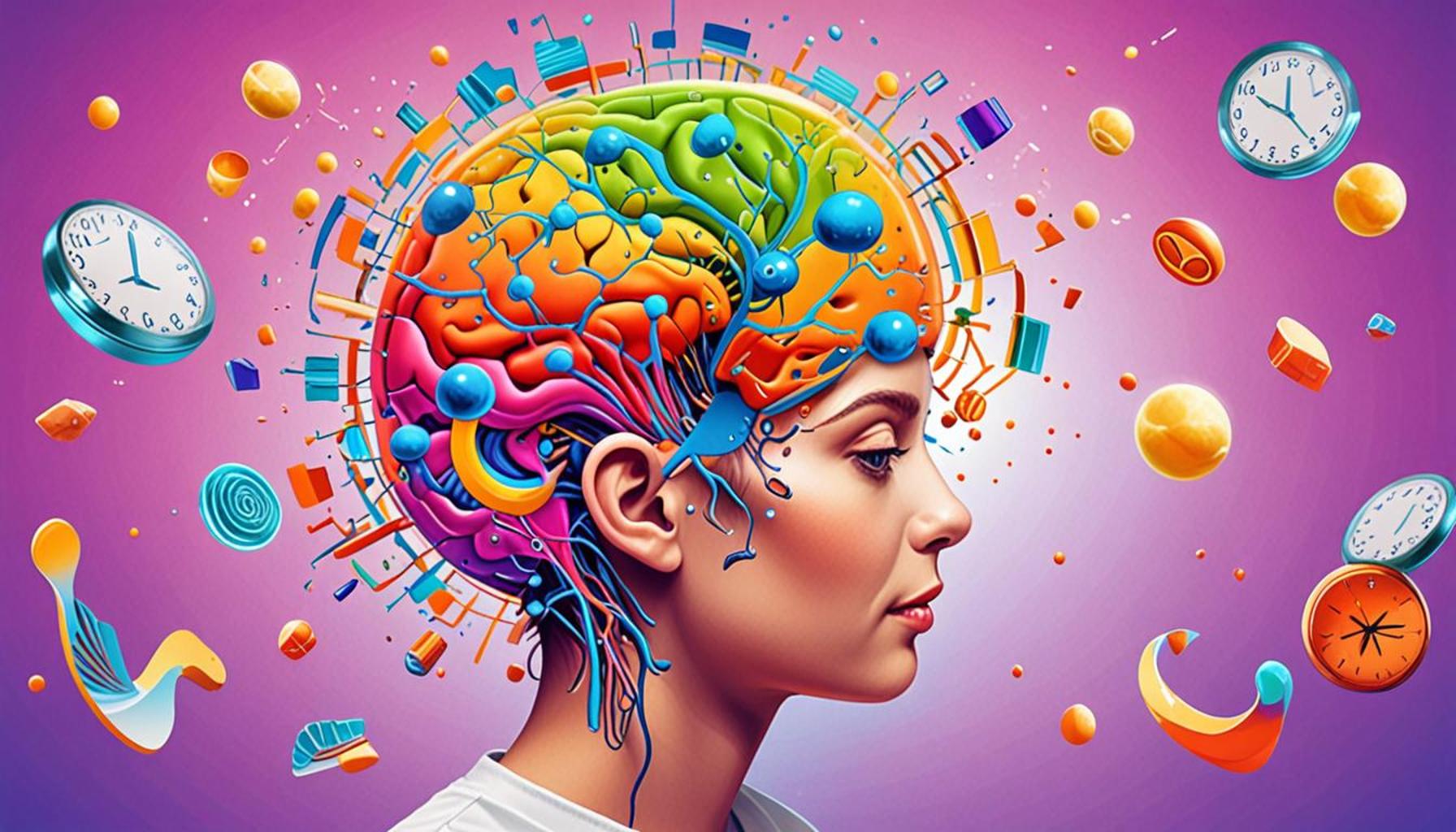
Using Virtual Reality to Create Immersive Memory Games for Cognitive Training
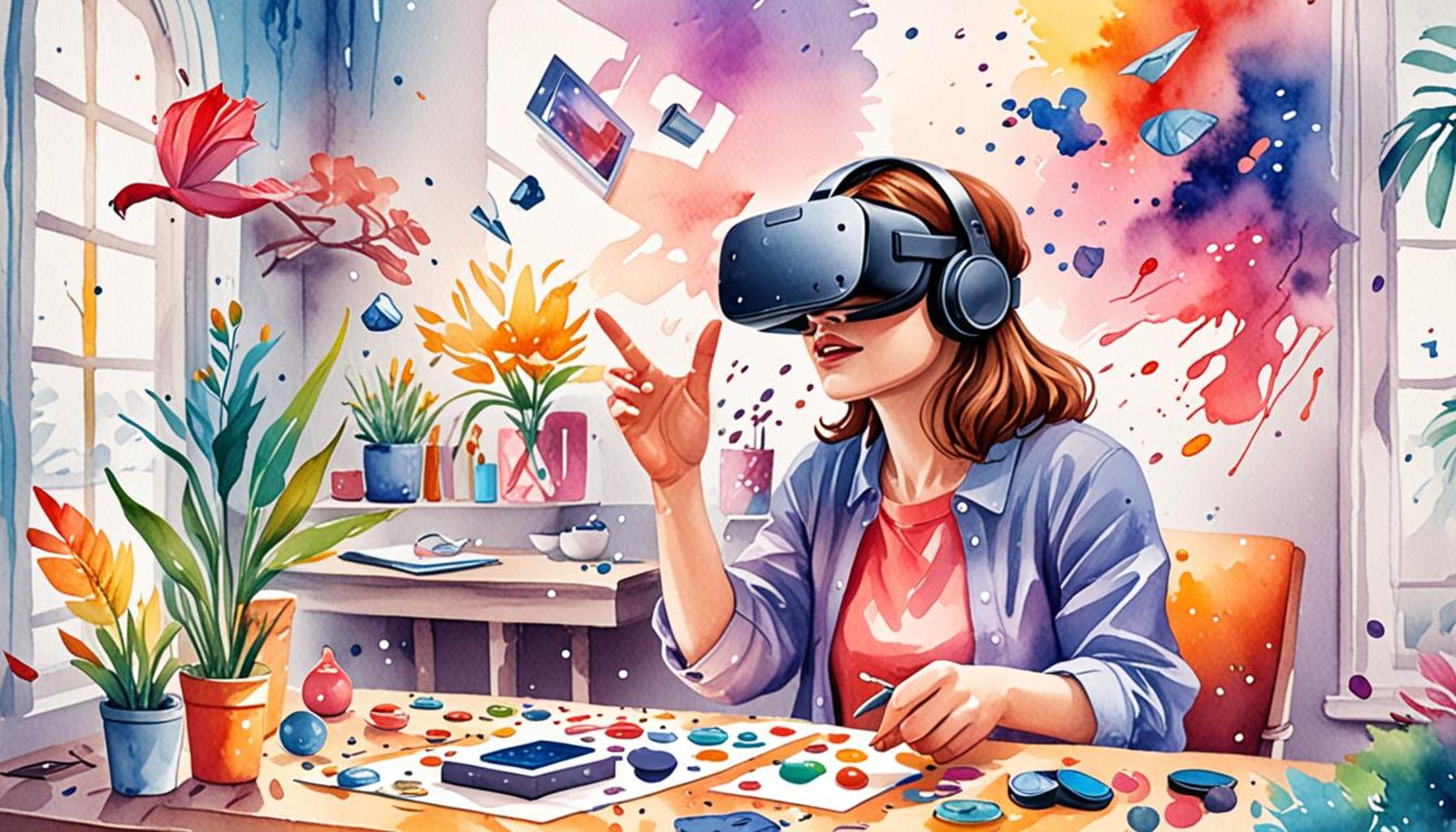
Revolutionizing Cognitive Training
In an age where technology intertwines with daily life, virtual reality (VR) is emerging as a groundbreaking tool in cognitive training. By immersing users in engaging environments, VR provides not just an entertaining experience but also a dynamic way to enhance memory skills. This innovative approach is crucial for various demographics, including the elderly and those recovering from cognitive impairments.
The Power of Immersion
Immersive memory games harness the potential of VR in unique ways, transforming the concept of traditional cognitive exercises into captivating experiences:
- Enhanced Engagement: Gamifying memory tasks captures attention and maintains interest. For instance, a game may require users to remember a sequence of colors and sounds while immersed in a vibrant virtual landscape. This interactive approach keeps players motivated, significantly increasing their desire to practice and improve their skills.
- Realistic Scenarios: Users can practice memory skills in lifelike settings, from grocery shopping in a bustling market to navigating a public park during an outdoor event. Such contextual learning helps bridge the gaps between theoretical memory exercises and real-world applications, enhancing the overall utility of the training.
- Adaptive Difficulty: Games can adjust to the user’s skill level, providing tailored cognitive challenges to optimize learning. For example, if a player excels at memorizing sequences, the system can introduce increasingly complex tasks, keeping their training both challenging and rewarding.
Research indicates that VR-based cognitive training can lead to significant improvements in short and long-term memory. Studies have shown that participants often retain information better when it is presented in a 3D environment compared to traditional methods. A notable study conducted at a prestigious university revealed that seniors using VR for memory training improved recall by an impressive 30% compared to those using conventional methods.
Exploring the Future
The combination of virtual reality and cognitive training not only offers new methods to engage users but also invites researchers to uncover deeper insights into memory retention and cognitive health. As we venture further into this digital frontier, the potential benefits promise to reshape our understanding of memory training altogether. For instance, educational institutions are beginning to incorporate VR tools in their curricula, allowing students to explore historical events or complex scientific concepts in immersive detail. This hands-on experience can significantly enhance cognitive retention, paving the way for innovative educational practices.
Furthermore, as VR technology becomes more accessible, it is possible to see these cognitive training programs being implemented in rehabilitation centers across the United States. Patients recovering from strokes or traumatic brain injuries could benefit greatly from such engaging platforms, making their recovery journey less daunting and more interactive.
In conclusion, the harmonious blend of technology with cognitive training heralds a promising future. The nuances of VR applications in memory training continue to evolve, marking a paradigm shift that could redefine cognitive health strategies in both therapeutic and educational settings.
DISCOVER MORE: Click here to learn about the benefits of cognitive games.
Unlocking Memory Potential Through VR
The application of virtual reality (VR) in cognitive training is not just a fleeting trend; it represents a transformative leap in our approach to developing memory skills. By creating engaging and interactive environments, VR enables users to experience memory tasks that are both stimulating and effective. This technology is particularly beneficial for individuals seeking to enhance their cognitive abilities, including seniors facing age-related decline and patients recovering from neurological injuries.
The Mechanics Behind VR Memory Games
VR memory games are designed with a focus on immersive experiences that engage multiple senses, thereby enhancing the cognitive training process. Here are some key elements that make them effective:
- Multi-Sensory Engagement: By incorporating visual, auditory, and even tactile feedback, VR games immerse players in an experience where they can see, hear, and feel their environment. For instance, a game could involve matching sound patterns with visual symbols while walking through a forest, reinforcing memory through diverse stimuli.
- Contextual Learning: VR settings allow users to practice memory skills within scenarios that mimic real-life situations. This context helps users relate memory tasks to everyday activities, improving not just recall but also the ability to apply skills in their life. An older adult might navigate a virtual grocery store while learning to remember shopping lists, making the training more applicable.
- Social Interaction: Many VR memory games incorporate elements of social gameplay, allowing users to interact with others in a virtual space. This social component can enhance motivation and provide additional support, making it easier for participants to engage with and excel at memory tasks.
Studies validating the effectiveness of VR memory training have yielded promising results. For example, research published in cognitive health journals has demonstrated that participants who trained in VR environments exhibit greater improvement in memory metrics than those who engaged in standard exercises. This is particularly important in light of the increasing prevalence of memory-related disorders among aging populations in the United States. Using VR technologies, older adults can engage in fun, interactive ways to strengthen neural pathways essential for memory retention.
Potential for Personalized Training Regimens
One of the standout features of VR memory games is their adaptability. These games can be tailored to reflect an individual’s cognitive abilities, allowing for a personalized training experience that progresses as the user improves. For instance, if a user consistently succeeds in memorizing simple patterns, the game can automatically escalate the complexity, introducing more challenging sequences or requiring faster recall. This adaptive learning ensures that users remain engaged while pushing their cognitive boundaries effectively.
As VR devices continue to become increasingly affordable and user-friendly, the landscape of cognitive training is set to evolve significantly. The potential for mainstream adoption of VR in rehabilitation and cognitive development, specifically in regions like the United States, opens the door to innovative, engaging solutions tailored to varied needs.
In summary, the integration of VR in memory training is not just a technological novelty; it signifies a revolution in how we understand and enhance cognitive functions. As evidence mounts on the benefits of immersive gaming experiences, the future of memory training looks brighter than ever.
| Advantages | Impact on Cognitive Training |
|---|---|
| Enhanced Engagement | Virtual reality reduces boredom and keeps players focused on tasks, leading to improved retention and recall of information. |
| Personalized Learning Experiences | Adaptive VR games can adjust difficulty levels, catering to individual cognitive capabilities, ensuring a tailored training approach. |
The combination of immersive technology and cognitive training presents a fascinating opportunity to enhance memory retention skills. By using VR, developers can create experiences that simulate real-world scenarios, making the learning process more relatable and effective. These immersive memory games also utilize elements of gamification, where players are rewarded for their milestones, thereby encouraging continuous improvement. Moreover, recent studies suggest that virtual environments stimulate various areas of the brain, leading to better neural connectivity and cognitive flexibility. This results in players not only honing their memory skills but also enhancing their problem-solving abilities. As these VR applications evolve, they hold potential for wider use in educational settings, rehabilitation programs, and even for elderly individuals seeking to maintain cognitive function. The ongoing exploration of VR in cognitive training is paving the way for innovative methods to combat memory-related challenges in various demographics.
DIVE DEEPER: Click here to discover the evolution of puzzle challenges
Enhancing Cognitive Diversity Through VR Experiences
Beyond mere memory tasks, virtual reality memory games can also enhance cognitive diversity, opening pathways for users to develop a well-rounded skill set. Traditional memory training often zeroes in on superficial tasks, whereas VR immerses users in various experiences that create a more holistic approach to cognitive training. Here are some crucial ways in which VR memory games contribute to cognitive diversity:
Promoting Problem-Solving Skills
Incorporating challenges that require critical thinking, VR memory games can stimulate problem-solving skills while working on memory recall. For instance, an immersive puzzle game could ask users to remember specific patterns while simultaneously navigating obstacles, encouraging them to strategize effectively. Research indicates that games that mix memory tasks with problem-solving allow players to engage multiple areas of the brain, which can prevent cognitive stagnation and improve overall mental agility.
Facilitating Emotional Connection and Cognitive Engagement
Emotion plays a pivotal role in memory retention. VR experiences can tap into emotional context by placing users in relatable scenarios that evoke feelings, thereby enhancing their ability to remember. For example, imagine a game where the user interacts with a virtual family member in a nostalgic setting; the emotional bond formed during this gameplay can significantly improve memory encoding processes. This emotional engagement leads to deeper cognitive connections, offering a significant boost to memory retention.
Diverse Content and Skill Development
Traditional memory training often lacks variety, which may lead to boredom and disengagement. In contrast, VR can offer a breadth of content types, from historical narratives to fantastical worlds, significantly diversifying the learning experience. Games like “VR Memory Quest” challenge players to remember details about various historical figures while navigating an interactive timeline. By integrating diverse content into training, users can develop stronger associative memory skills, recognizing connections across different subjects crucial for both academic and real-world success.
Moreover, the incorporation of physical movement within VR memory games—exemplified in games that require users to explore environments, collect items, or solve tasks—can elevate cognitive functions through the mind-body connection. A study published in “The Journal of CyberTherapy & Rehabilitation” highlighted that physically engaging with virtual environments could better enhance memory retention compared to traditional, sedentary methods.
Real-World Applications and Benefits
The advantages of VR memory games extend beyond the realm of targeted cognitive training. Their use in rehabilitation for stroke patients is particularly illuminating. Researchers have noted that customized VR memory games can serve as valuable tools for occupational therapy, helping patients rebuild cognitive functions while making therapy sessions more enjoyable and less daunting. Moreover, implementation within educational settings can provide unique learning experiences that cater to various learning styles, with interactive VR environments offering varied levels of difficulty suitable for both gifted students and those requiring additional support.
As development continues in VR technology, the integration of AI could raise the possibilities even further. The potential for intelligent VR systems to analyze user performance and adapt in real-time shows promise for creating a truly personalized and dynamic cognitive training environment. This cutting-edge evolution in VR gaming could, therefore, hold the key to unlocking the full potential of memory training approaches.
DIVE DEEPER: Click here to discover the benefits of cognitive games
Conclusion: The Future of Cognitive Training Through VR
As we stand on the threshold of a technological revolution in cognitive training, using virtual reality to create immersive memory games proves to be more than just an innovative approach; it is a transformative experience that redefines how we engage our minds. Through the application of VR, we witness a harmonious blend of emotional, cognitive, and physical elements that collectively enhance memory retention in ways traditional methods simply cannot match.
The multifaceted benefits—from promoting problem-solving skills and fostering emotional connections to diversifying learning content—highlight the potential for VR as a robust platform for cognitive training. In particular, the ability to tailor experiences through intelligent design not only captures the imagination of users but also adapts to their unique cognitive needs, paving the way for breakthroughs in rehabilitation therapies and educational practices.
Moreover, the research underscoring the effectiveness of VR memory games indicates a promising future for those seeking to improve their cognitive abilities, whether for academic success, professional advancement, or recovery from cognitive impairments. As VR technology continues to evolve, the integration of artificial intelligence will further enrich these experiences, offering unprecedented personalization and engagement.
In essence, the utilization of virtual reality memory games stands as a powerful testament to the ongoing quest for innovative and effective cognitive training solutions. As we delve deeper into this expansive field, it becomes clear that the intersection of virtual reality and cognitive training holds the key to unlocking new pathways for learning and memory enhancement, ultimately transforming how we perceive and nurture our cognitive health.