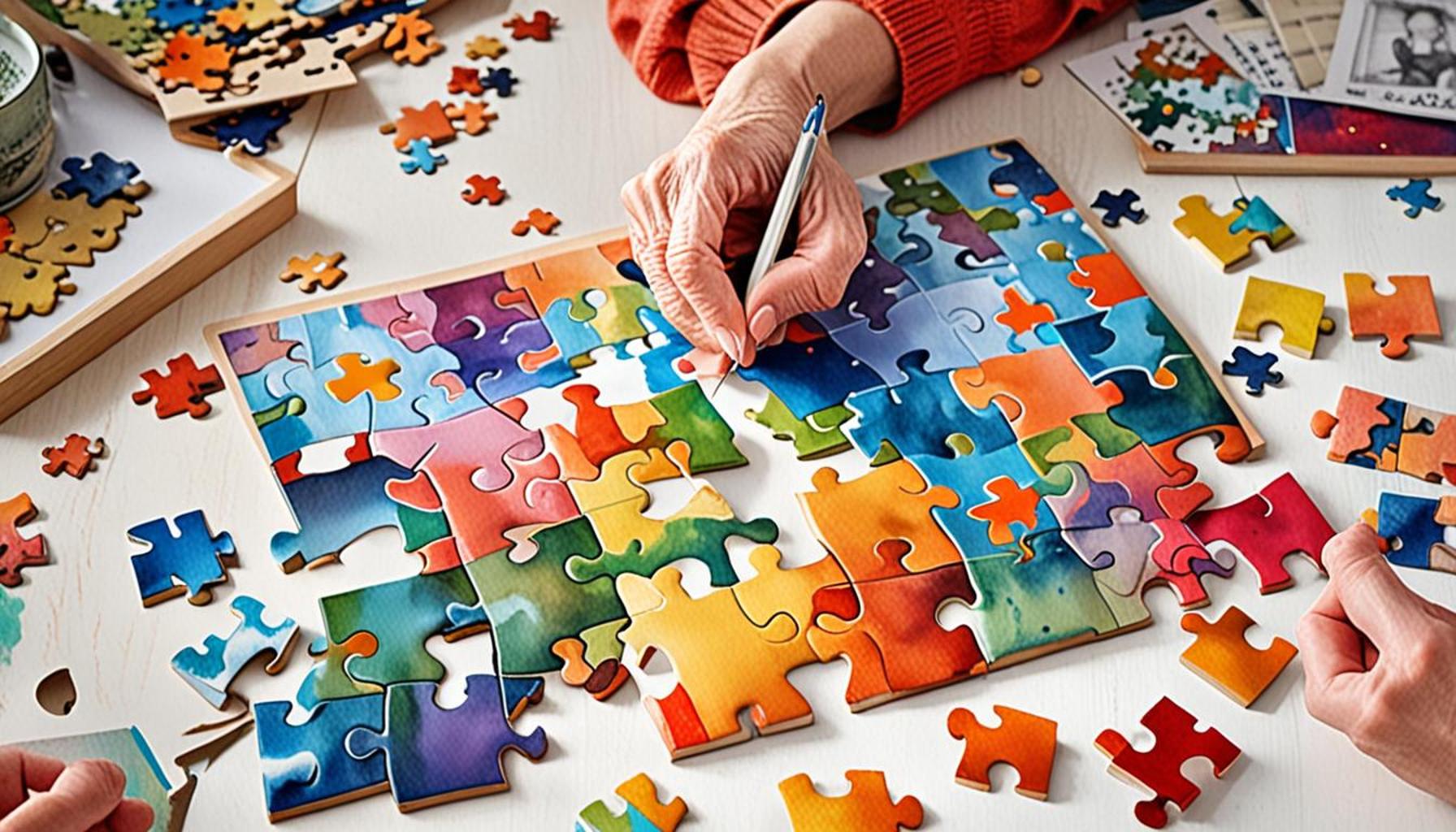
Puzzle Strategies to Stimulate Memory in Children
Unlocking the Power of Puzzles
As children grow, memory skills play a crucial role in their learning and development. Engaging children with puzzles not only sharpens their minds but also provides a fun and interactive way to boost cognitive abilities. By employing strategic approaches to puzzle-solving, parents and educators can significantly enhance a child’s memory retention, ensuring a solid foundation for their academic success.
Why Puzzles Matter
Puzzles are more than just games; they offer numerous benefits for children’s development. Engaging with puzzles stimulates various cognitive processes that are vital for learning and everyday life skills. Here are some of the key advantages:
- Enhances problem-solving skills: Children learn to think critically and approach challenges with a systematic mindset. For instance, when kids encounter a difficult puzzle, they begin to experiment with different strategies to fit the pieces together, fostering resilience and creativity in the face of obstacles.
- Improves memory: Regular engagement with puzzles can strengthen memory pathways, aiding information recall. Research supports that children who frequently solve puzzles tend to exhibit better memory retention, allowing them to remember facts and figures necessary for academic tasks.
- Encourages focus: Completing puzzles requires concentration, fostering the ability to stay attentive longer. This heightened focus can translate to improved performance in school, as children learn to maintain their attention on lessons and tasks.
Incorporating various puzzle types can further stimulate memory:
- Jigsaw puzzles: These are particularly beneficial for developing spatial awareness and visual memory. A study from Stanford University found that children who engaged in jigsaw puzzles performed significantly better in tasks requiring spatial reasoning compared to those who did not.
- Word puzzles: Engaging with crosswords, word searches, and scramble puzzles enhances vocabulary and verbal recollection. Children not only expand their lexicon but also learn to associate words with meanings, improving their comprehension skills.
- Logic puzzles: These puzzles, which require deductive reasoning, help develop analytical thinking. Kids solve problems using logic and reasoning, skills that are critical for success in STEM (Science, Technology, Engineering, and Mathematics) education.
With the right strategies, puzzle-solving can become an enriching activity that not only entertains but also educates. Incorporating puzzles into a child’s daily routine can be as simple as setting aside time each week for family puzzle nights or even utilizing digital puzzle apps that challenge their thinking in new ways. As we delve deeper into effective techniques and resources, parents and educators can discover how these fun brain teasers can transform a child’s memory skills into a powerful tool for their academic journey. The potential benefits pave the way for enhanced self-esteem and enjoyment of learning, setting the stage for lifelong curiosity and achievement.
DISCOVER MORE: Click here to learn about the benefits of cognitive games
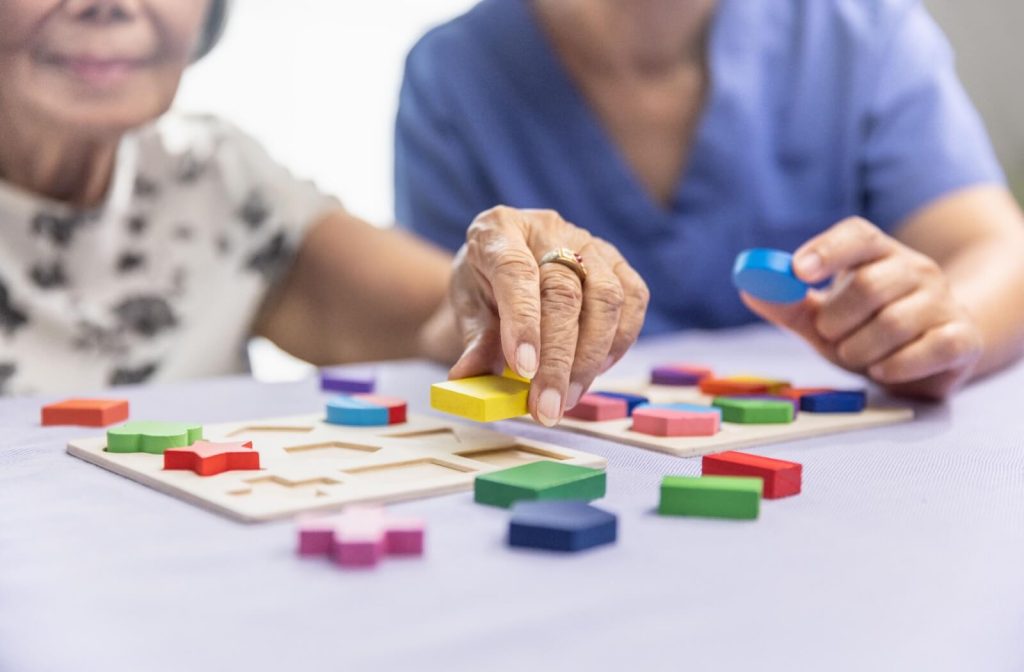
Effective Puzzle Techniques to Boost Memory
In a rapidly changing world, teaching children effective memory strategies is more important than ever. Puzzles provide an engaging framework that not only entertains but also educates. To maximize the benefits of puzzle-solving, implementing specific strategies can make a noticeable difference in a child’s cognitive development.
Creating a Puzzle Routine
Establishing a regular puzzle routine can enhance a child’s memory retention over time. This approach can include setting aside specific times each week dedicated to puzzle-solving. Regular sessions create predictable learning environments which can enhance focus and cognitive processing. Additionally, parents and educators can integrate puzzles into everyday activities, making them a fun yet structured part of a child’s life. Here are some ideas:
- Family Puzzle Nights: Organizing a weekly family night that revolves around solving puzzles together not only builds stronger familial bonds but also turns learning into a shared experience. Children benefit from discussions and collaborative thinking, which can reinforce memory retention.
- Classroom Puzzle Challenges: Educators can incorporate puzzles in the classroom setting, using them as icebreakers or rewards for task completion. Creating friendly competitions around puzzles encourages peer interaction and motivates children to engage more deeply in the puzzle-solving process.
- Theme-Based Puzzle Weeks: Highlight different types of puzzles each week—such as jigsaw, word, or logic puzzles—to introduce variety and keep children excited. This exposure helps develop different memory skills and keeps them from growing complacent with one particular type of puzzle.
Adapting Puzzles to Fit Developmental Levels
Understanding and adapting puzzles to match a child’s developmental level is crucial. Age-appropriate challenges not only maintain engagement but also prevent frustration, which can be counterproductive to memory development. Here are some tips for selecting the right puzzles:
- Choose the Right Difficulty Level: If a puzzle is too easy, children may lose interest quickly. Conversely, if it is too challenging, they may feel overwhelmed. Gradually increasing the difficulty of puzzles can build confidence and problem-solving skills over time.
- Incorporate Interests: Tailoring puzzles to match a child’s interests—such as favorite subjects, characters, or themes—can captivate their attention and motivate them to engage more earnestly. For instance, puzzles featuring animals can spark curiosity in young nature enthusiasts.
- Use Technology Wisely: Digital puzzles have become increasingly popular and can offer interactive learning experiences. There are many educational apps designed specifically to enhance memory through engaging and entertaining puzzle formats. However, it is essential to balance screen time with traditional, tactile puzzles for a comprehensive approach.
By implementing these strategies, parents and educators can transform puzzle-solving into a powerful tool for memory enhancement. Not only do these techniques help children learn effectively, but they also contribute to improved problem-solving skills and a love for learning—qualities that are invaluable throughout their academic journey and beyond.
| Category | Details |
|---|---|
| Cognitive Development | Enhances problem-solving skills and critical thinking through engaging challenges. |
| Memory Boosting Techniques | Utilizes fun and interactive puzzles that encourage retention and recall of information, promoting better academic performance. |
Puzzle strategies not only serve as a source of entertainment for children but also play an essential role in their cognitive growth and memory retention. These engaging activities can be tailored to different age levels, ensuring that children face appropriate challenges that stimulate their development. By incorporating puzzles into playtime, parents and educators can set a foundation for improved concentration, organization, and teamwork skills.Research has indicated that solving puzzles significantly activates various brain areas associated with reasoning and memory. As children navigate through different strategies to complete these puzzles, they learn valuable lessons about perseverance and patience. These qualities are vital as they grow into more complex problem-solving tasks in their academic journeys. Moreover, incorporating memory-focused games that make use of visual and auditory stimuli engages multiple senses, which enhances overall learning and memory recall. Such techniques can ultimately lead to a lifelong love of learning, deeply integrating memory strategies into everyday life.
DIVE DEEPER: Click here to uncover the cognitive benefits of puzzle challenges
Engaging Children Through Variability and Interaction
In addition to establishing routines and adapting puzzles to developmental levels, another key strategy is to incorporate variability and interactive elements in puzzle activities. This approach helps maintain a child’s interest, encourages cognitive flexibility, and reinforces memory through diverse experiences.
Utilizing Collaborative Problem-Solving
Collaboration can significantly enhance a child’s memory skills when they engage in puzzle-solving with peers or family members. Working together, children can share strategies, express different viewpoints, and learn from one another in a supportive environment. Here are some ways to foster this collaborative spirit:
- Group Puzzle Workshops: Organizing workshops where children can tackle puzzles in small groups can create synergy. Facilitators should encourage children to verbalize their thoughts as they solve, which strengthens memory by linking verbal expression with problem-solving processes.
- Interactive Puzzle Competitions: Hosting friendly competitions, where teams compete against each other in solving puzzles, can foster a sense of camaraderie and boost motivation. This setting not only sharpens memory as children recall strategies and patterns but also cultivates teamwork skills.
- Discussion After Completion: Once a puzzle is completed, having a discussion about the strategies used can reinforce memory. Children can share what worked for them and what didn’t, thereby processing the puzzle-solving experience and committing elements to memory.
Incorporating Multi-Sensory Learning
Multisensory learning taps into different senses to enhance the puzzle-solving experience, creating deeper connections and benefiting memory retention. This approach can stimulate children intellectually while making the learning process enjoyable. Here are some multi-sensory strategies:
- Textured Puzzles: Using puzzles that incorporate various textures can engage a child’s sense of touch, leading to a more immersive experience. For example, integral pieces that differ in texture can create associations in memory, supporting cognitive development.
- Color and Shape Recognition: Utilizing puzzles that focus on colors and shapes can aid visual learners in recognizing patterns and categorizing information, which is essential for memory enhancement. Activities that combine sorting and classification with puzzles can further solidify these skills.
- Storytelling with Puzzles: After completing a puzzle, children can create stories based on the images they see. This not only fosters creativity but also helps in verbalizing their thoughts, which can strengthen the neurological pathways associated with memory.
Measuring Progress and Celebrating Achievements
Another effective strategy is to keep track of a child’s progress with puzzles. Monitoring improvements in their skills can serve as a motivational tool, boosting confidence and reinforcing memory retention. Parents and educators can put the following into practice:
- Puzzle Journals: Encouraging children to maintain a journal documenting completed puzzles, strategies used, and new concepts learned can reinforce information and create a reference system for future puzzles. This practice not only aids memory but also fosters reflection and growth.
- Rewards and Recognition: Providing small rewards or recognition for milestones achieved will inspire children to take pride in their efforts. Celebrating accomplishments—whether big or small—can reinforce the memory of both the puzzle-solving process and the strategies they employed.
- Feedback Mechanisms: Offering constructive feedback after puzzles can help children internalize lessons learned during the activities. Discussing what went well and what could be improved allows for greater reflection and understanding, further solidifying memory.
By incorporating these variability and interaction strategies into puzzle-solving activities, parents and educators can create enriched learning environments. Each method serves as a building block towards enhancing memory and fostering a holistic approach to children’s development.
DISCOVER MORE: Click here to dive deeper
Conclusion
Engaging children in puzzle strategies to stimulate memory is an art that involves creativity, collaboration, and multi-sensory experiences. This multifaceted approach plays a pivotal role in nurturing cognitive development. For instance, activities such as creating a giant jigsaw puzzle together not only challenge their problem-solving skills, but also encourage teamwork and communication, making the learning process both fun and effective. Interactive competitions, whether in a classroom setting or at home, can turn learning into an exciting game, where children eagerly work together to solve challenges while developing a sense of belonging and shared achievement.
Multi-sensory learning allows children to engage with puzzles in various ways—through touching, seeing, and even hearing. This might include tactile puzzles made from different materials or virtual puzzles that offer auditory clues, making it easier for children to absorb and remember information. Research shows that the more senses involved in an activity, the more likely a child is to remember what they learned.
Additionally, utilizing tools like puzzle journals not only tracks a child’s progress but becomes a personal chronicle of achievements. Celebrating successes—whether big or small—instills a sense of pride and motivates children to persevere through difficult puzzles. Regular feedback mechanisms, such as discussions or reflective thinking exercises, empower children to contemplate their strategies and outcomes, enhancing their understanding and retention of concepts.
The involvement of parents and educators is crucial in this dynamic environment. By actively participating and providing varied problem-solving challenges, they can enhance puzzle-solving into an enjoyable and effective learning modality. This not only sharpens cognitive skills but also lays a solid foundation for lifelong learning. As our understanding of educational methodologies evolves, embracing these innovative puzzle strategies can serve as a significant catalyst in shaping the bright minds who will drive future discoveries and solutions. Through strategic engagement, we can foster a generation of critical thinkers and enthusiastic learners ready to tackle the challenges of tomorrow.