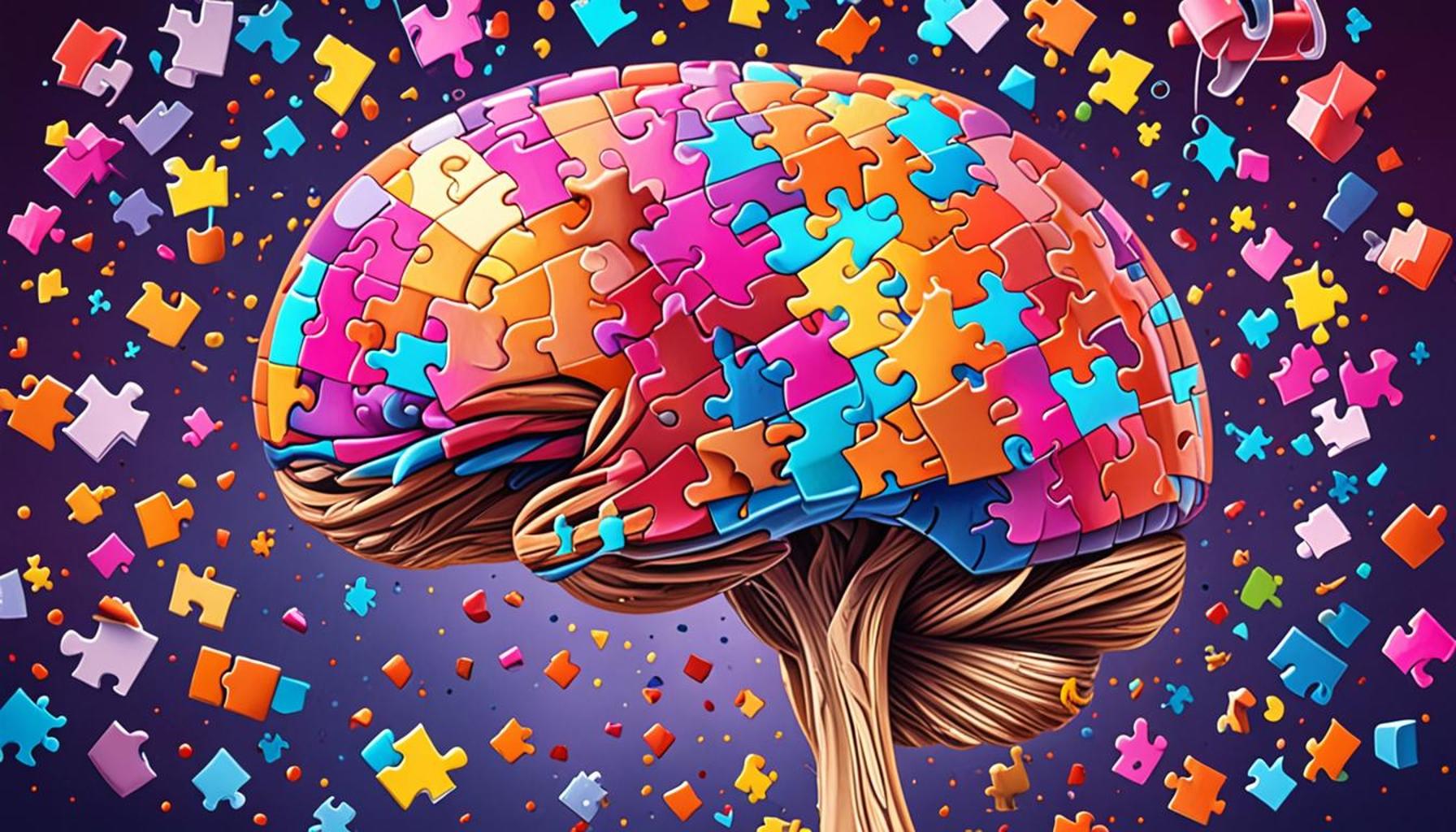
The Impact of Memory Games on Cognitive Improvement in Adults

The Cognitive Upsides of Engaging in Memory Games
In recent years, memory games have gained popularity beyond their reputation as mere entertainment. These engaging activities serve as practical tools for enhancing cognitive abilities among adults. Recent studies demonstrate that consistent participation in memory games can lead to noticeable improvements in memory, focus, and overall cognitive function. As the landscape of mental wellness continues to evolve, these games are opening doors to new approaches in maintaining brain health.
As individuals age, the necessity of preserving cognitive health becomes paramount. Memory games may provide an accessible solution by:
- Stimulating brain activity: Memory games activate various regions of the brain, fostering neuroplasticity—the brain’s ability to reorganize itself by forming new neural connections. Activities such as matching cards challenge players’ recall abilities and necessitate strategic thinking.
- Improving concentration: Regular engagement in memory games can enhance attention spans and reduce susceptibility to distractions. For instance, individuals who routinely play games like “Simon Says” or “Memory Match” report increased focus during everyday tasks.
- Boosting memory retention: These games not only sharpen recall abilities but also enhance the capacity to store and retrieve information more efficiently. A study published in the *Journal of Gerontology* suggested that older adults who engage regularly in memory exercises show a marked improvement in learning new information.
The rising incidence of age-related cognitive decline makes the exploration of these games not just beneficial but necessary. Memory games are manifesting in various formats, from digital applications to traditional board games, catering to diverse audiences across the United States. Popular apps such as Lumosity and Peak target adults looking to enhance their mental agility while providing enjoyable gameplay.
In urban areas, where lifestyles are fast-paced, adults increasingly turn to these tools as a remedy for forgetfulness and to keep their minds sharp. According to statistics from the AARP, over 60% of adults in their 50s and beyond are utilizing brain-training activities as a part of their health regimen. The growing recognition of mental fitness parallels that of physical fitness, underscoring a cultural shift toward holistic health.
As we dive deeper into the relationship between memory games and cognitive improvement, it is crucial to examine the underlying science and strategies that can empower adults in their pursuit of mental resilience. With engaging options available, it is an opportune time for individuals to explore how these brain-training activities can fortify their cognitive health and enhance their daily lives.

DIVE DEEPER: Click here to enhance your cognitive skills
Understanding the Mechanisms Behind Memory Games
To fully appreciate how memory games can enhance cognitive function, it is essential to understand the underlying mechanisms that these activities engage. The brain is a dynamic organ, continuously adapting and evolving in response to new challenges and experiences. Memory games harness this innate adaptability, potentially transforming the way adults manage and maintain their cognitive health.
At the core of this transformation is the concept of neuroplasticity. This remarkable capability allows the brain to reorganize itself by forming new neural pathways and connections in response to learning and practice. Memory games, through repeated gameplay, encourage this process by prompting participants to think critically and engage in problem-solving. As players recall images, patterns, or sequences, they inadvertently stimulate their brain’s ability to form and strengthen connections, which is vital for learning and memory retention.
Research supports the idea that memory games can actively promote cognitive enhancement. For example, a comprehensive study conducted by the University of California, San Francisco, found that engaging in mentally stimulating activities, such as memory games, can lead to improvements in overall brain function, including enhanced executive functioning, which encompasses skills like reasoning, problem-solving, and planning.
In addition to boosting neuroplasticity, memory games cater to other aspects of cognitive enhancement:
- Enhancement of Spatial Awareness: Many memory games require players to decipher visual cues and recall locations, significantly sharpening their spatial awareness. This skill not only aids daily activities like navigation but also promotes better spatial reasoning in various tasks.
- Effective Stress Relief: Engaging in memory games can serve as a relaxing pastime, reducing stress and anxiety levels. Lower stress helps improve cognitive function, enabling players to focus better and make more effective decisions.
- Social Interaction: Many memory games are designed for multiple players, fostering social connections and interactions. Social engagement has been consistently associated with reduced cognitive decline in older adults, emphasizing the cognitive benefits of teamwork and communication.
Given these multifaceted benefits, memory games form a compelling avenue for adults looking to enrich their cognitive abilities. The design of these activities encourages not just solitary play but fosters a communal atmosphere through group engagements, highlighting their versatility in promoting brain health.
The versatility of memory games extends into various forms, catering to a range of preferences and lifestyles. From mobile apps providing interactive experiences to traditional board games that encourage face-to-face interactions, the possibilities are endless. As technology continues to evolve, the accessibility of these games is becoming broader, encouraging more adults to integrate them into their routines.
In the next sections, we will explore specific memory games that have demonstrated significant cognitive benefits and hear testimonials from adults who have experienced transformations as a result of their dedication to these brain training activities.
Continuing the exploration of *The Impact of Memory Games on Cognitive Improvement in Adults*, it’s essential to delve deeper into the mechanics behind why memory games are effective tools for cognitive enhancement.First and foremost, memory games typically involve activities that stimulate various cognitive functions, such as attention, memory retention, and problem-solving skills. By engaging in these games, adults can challenge their cognitive abilities and maintain mental acuity. This is particularly vital as age-related cognitive decline can begin as early as in the 30s and 40s. Research indicates that consistent engagement in memory-related activities can enhance neuroplasticity, allowing the brain to form new connections and pathways.Moreover, memory games are not only fun but can also create a competitive but social environment, which inherently promotes cognitive health. Playing these games with peers can enhance motivation and commitment, further contributing to improvements in mental sharpness. A 2022 study highlighted that participants who regularly played memory games with friends reported improved mood and overall mental health, linking social interaction with cognitive performance.Additionally, memory games often incorporate elements of strategy and critical thinking. For example, games that require players to remember sequences or locate matching pairs encourage strategic planning and foresight, which are integral components of cognitive function. These games deliver a dual benefit: improving memory while also enhancing strategic thinking skills.Furthermore, some memory games are designed to cater specifically to various cognitive deficits, making them therapeutic tools in rehabilitation programs for adults recovering from strokes or traumatic brain injuries. By including memory games in recovery, individuals not only work on their cognitive improvement but also find an enjoyable way to engage in therapy.As this fascinating topic unfolds, it is essential to consider how these games can be integrated into daily routines. Adult learners seeking to sharpen their cognitive abilities will find diverse choices tailored to different interests and skill levels. Whether through online platforms or traditional board games, the potential for cognitive enhancement is significant. To further elucidate the advantages of memory games, let’s summarize these key insights in a structured table, highlighting the specific benefits and attributes:
| Category | Details |
|---|---|
| Cognitive Function | Enhances memory retention, problem-solving, and attention span. |
| Social Interaction | Encourages motivation and camaraderie among players. |
| Therapeutic Use | Helps in rehabilitation for cognitive impairments. |
The dynamic synergy between cognitive improvement and memory games is poised to reshape how adults perceive mental fitness. The compelling blend of enjoyment, social connectivity, and cognitive challenge ensures memory games are more than just entertainment—they are significant catalysts for cognitive enhancement.
DIVE DEEPER: Click here to learn more
Memory Games: A Gateway to Cognitive Resilience
As society witnesses an increasing awareness surrounding mental health and cognitive wellness, memory games stand out as a valuable resource for adults seeking to enhance their mental prowess. These engaging activities not only serve the purpose of memory enhancement but also act as a stimulus for various cognitive functions, significantly contributing to overall brain health.
Research illustrates that consistent engagement with memory-based activities can lead to notable improvements in attention and concentration. A study published in the journal Psychological Science demonstrated that individuals who played memory games showed an enhanced ability to focus on tasks without becoming easily distracted. The game mechanics, which often involve focusing on details and retaining information, challenge players to build their attention span over time, eventually leading to greater proficiency in their daily tasks.
Moreover, memory games also foster creativity—a skill that often gets overshadowed in more conventional cognitive pursuits. When players are presented with unique patterns and sequences to memorize, they often have to think outside the box to devise strategies for recall. Engaging the creative parts of the brain encourages divergent thinking, an essential component for problem-solving in both personal and professional contexts. This increased creative flexibility can manifest in other areas of life as adults apply the same innovative thinking to work projects or personal challenges.
An often-overlooked benefit of memory games is their capacity to enhance emotional intelligence. By participating in social memory games, players not only sharpen their cognitive skills but also strengthen their ability to read social cues and understand emotional expressions. A study conducted by the National Institute on Aging highlighted that adults who engage in interactive memory games exhibit improved empathy and communication skills. These social behaviors can significantly enhance interpersonal relationships and support overall mental well-being, addressing both cognitive and emotional dimensions simultaneously.
The impact of diverse platforms cannot be understated. From apps like Lumosity, which tailors challenges to specific cognitive skills, to classic games like Concentration that engage players in fun and interactive ways, the variety in memory games allows adults to choose formats that resonate best with their personalities and lifestyles. This diversity in choice not only caters to different learning styles but also heightens motivation and engagement—a crucial factor for long-term commitment and consistent improvement.
Understanding the accessibility of these games further reinforces their role in cognitive enhancement. With an increasing number of apps and online platforms dedicated to memory training, adults can engage in brain fitness anytime and anywhere. This accessibility makes it easier for individuals to integrate memory games into their daily routines, whether during commutes, breaks, or leisure time, effectively transforming simple moments into opportunities for cognitive growth.
As the body of research surrounding memory games continues to grow, the call to action for adults is clear: it is advantageous to incorporate memory games into daily life. Whether through targeted practice on apps, engaging in social gameplay, or participating in community-based memory challenges, adults can take proactive steps to enhance their cognitive health and overall quality of life.
Dive deeper: Click here to challenge your mind
Conclusion: Unlocking Potential Through Memory Games
In a world that increasingly values mental agility and emotional intelligence, memory games have emerged as a powerful tool for cognitive improvement in adults. The evidence is compelling: regular engagement with these activities can lead to appreciable enhancements in focus, creativity, and social interaction. By actively participating in memory games, adults not only sharpen their cognitive skills but also cultivate essential abilities that impact their daily lives.
The variety of platforms available, ranging from well-designed apps to interactive board games, ensures that individuals can find formats that fit their preferences and lifestyles. Incorporating these games into daily routines is no longer a daunting task; with accessibility at its peak, even the busiest schedules can accommodate brief yet effective brain training sessions. This seamless integration of memory games invites adults to make consistent efforts towards cognitive health without major lifestyle changes.
Moreover, as research continues to unveil the multifaceted benefits of memory games, the vast landscape of options encourages exploration and sustained interest in cognitive fitness. For those looking to invest in their mental resilience, embracing memory games represents a proactive step towards a sharper mind and a fulfilling life. As we step into an era where mental health is prioritized, the journey through memory games can not only unlock potential but also promote a mindset of continuous growth and adaptation.
Ultimately, the impact of memory games extends beyond mere amusement; it signifies a pivotal shift towards greater cognitive awareness among adults, empowering them to take charge of their mental well-being and enrich their lives. So, why not set aside some time today to engage in a memory game and witness the transformative effects on your brainpower?