Cognitive Benefits of Puzzle Challenges: How They Improve Mental Health
The Cognitive Benefits of Engaging with Puzzles
Puzzles have transcended their role as mere sources of entertainment, evolving into powerful tools that can nurture and enhance our cognitive abilities. While they have always captivated the imagination of enthusiasts, from children playing with colorful jigsaw pieces to adults challenging themselves with complex Sudoku grids, their profound cognitive benefits extend far beyond simple amusement.
One of the most significant advantages of integrating puzzles into our daily routines is memory enhancement. Studies suggest that individuals who regularly partake in puzzle-solving activities exhibit notable improvements in both memory retention and recall. For instance, research published in the journal “Neuropsychology, Development, and Cognition” has shown that older adults who engage in puzzles frequently have better cognitive function and memory compared to those who do not. Activities like crossword puzzles or memory games stimulate the brain, forming new neural connections and promoting overall brain health.
Additionally, tackling various puzzle challenges hones our problem-solving skills. Whether you’re piecing together a 1,000-piece landscape or crafting strategies to escape a themed room, the cognitive demands of these activities encourage critical and creative thinking. These skills are vital not only for personal hobbies but also in professional settings, where analytical abilities and innovative problem-solving can lead to greater success.
Furthermore, engaging in puzzles can lead to significant stress reduction. As we immerse ourselves in the intricate details of a puzzle, our minds momentarily divert from stressful thoughts and anxieties. This form of mental ‘meditation’ can be particularly effective, offering a focused distraction that allows the brain to relax and recharge. In a world full of pressure and fast-paced challenges, this mental escape becomes invaluable.
Research consistently shows that individuals who regularly engage in cognitive activities, including puzzles, may experience a lower risk of mental decline with age. A study published in the journal “Alzheimer’s & Dementia” found that adults who participate in cognitive stimulus—puzzles included—were less likely to develop dementia-related symptoms. In addition to staving off cognitive decline, the simple act of solving a puzzle can evoke feelings of accomplishment and significantly boost self-esteem, creating a sense of purpose in one’s daily routine.
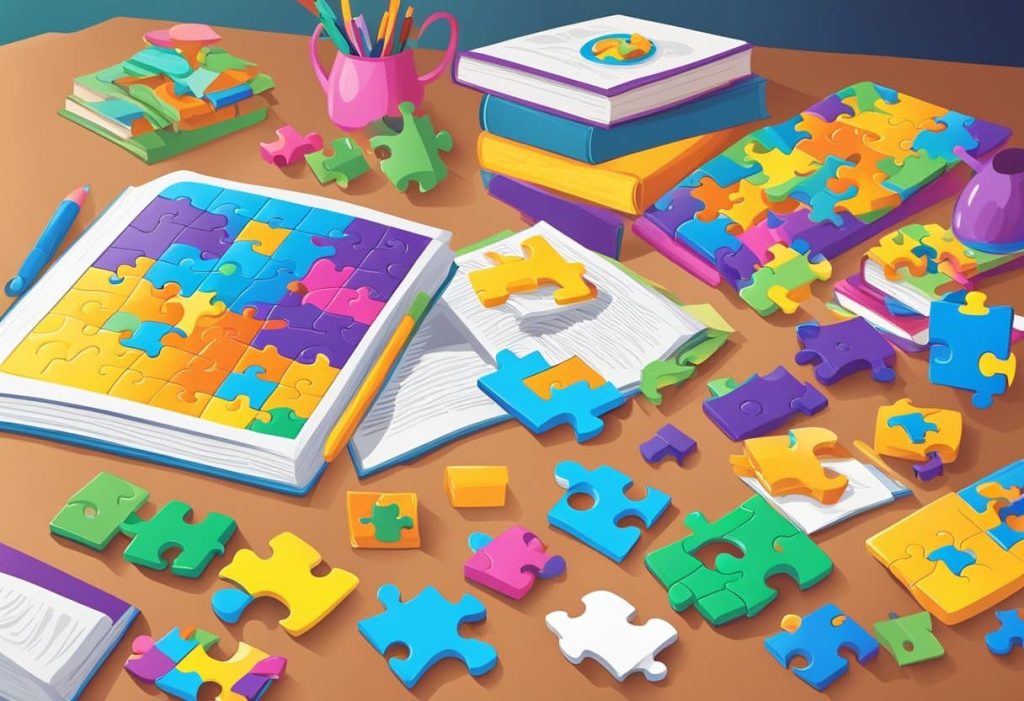
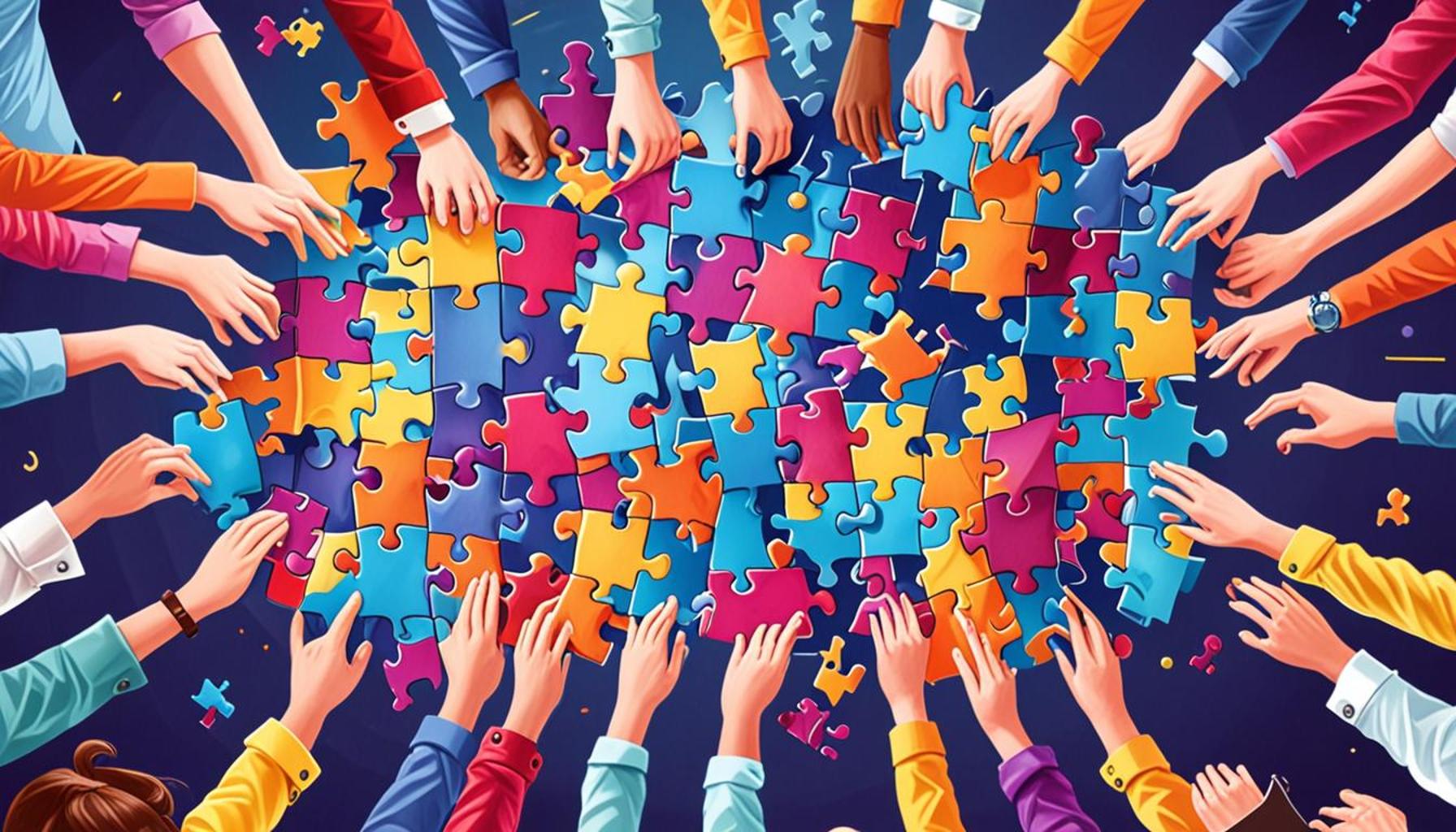
In the United States, puzzles come in various forms—from the iconic jigsaw puzzle and witty crosswords to challenging Sudoku grids and immersive escape rooms. Each of these activities not only provides enjoyment but also promotes a sense of community when shared with family and friends. Organizing a puzzle night can create vibrant social interactions, strengthening bonds in a relaxed atmosphere while jointly navigating the complexities of a challenging problem.
Whether you’re delicately fitting the last piece into a jigsaw puzzle or skillfully unraveling a tricky crossword clue, the cognitive benefits are undeniably clear. As we continue to explore the power of puzzle challenges, it becomes evident that they can significantly transform our mental well-being, making them a worthwhile addition to our daily lives. So, why not carve out some time for puzzle-solving today? The rewards could be more significant than you might anticipate.
DISCOVER MORE: Click here to unlock the secrets of enhancing your cognitive skills
Unlocking Brain Power: The Science Behind Puzzle Solving
Puzzle challenges engage a variety of cognitive processes that are essential for mental health and overall well-being. As individuals delve into puzzles, they activate different areas of the brain, promoting a sense of achievement and mental agility. This process is underpinned by neuroscience, which suggests that the brain is capable of forming new neural connections throughout life, a phenomenon known as neuroplasticity. As we encounter varying levels of difficulty within puzzles, we stimulate cognitive functions such as attention, visual-spatial reasoning, and executive functions.
One of the most fascinating aspects of puzzle-solving is its impact on attention span. Research indicates that regularly engaging in puzzles trains the brain to concentrate on visual cues and relevant patterns. This improvement can translate to daily life, where enhanced attention not only enriches personal experiences but also boosts work performance. Adults often find that what starts as a playful challenge helps them refine their ability to focus on tasks requiring sustained attention, an essential skill in today’s fast-paced environment.
Moreover, puzzles require a level of visual-spatial reasoning—the ability to visualize patterns and configurations in a coherent manner. For example, assembling a complex jigsaw puzzle can enhance spatial awareness as individuals must consider how pieces fit together based on their shapes and colors. Such skills are crucial in various fields, ranging from engineering and architecture to art and design. A study published in the “Journal of Applied Cognitive Psychology” suggests that individuals who engage in puzzle tasks demonstrate improved spatial reasoning abilities over time, facilitating their capacities in both academic and professional domains.
Another significant benefit of puzzle-solving lies in its fostering of executive functions, such as planning, cognitive flexibility, and task management. When faced with a complicated puzzle, solvers must plan their approach and make strategic decisions about which pieces to tackle first or what techniques might be most effective. According to a paper in “Cognitive Psychology,” engaging in problem-solving through puzzles enhances one’s ability to switch tasks effectively and manage competing priorities—skills that are invaluable in the modern workplace.
To illustrate the cognitive advantages of solving puzzles, consider the following key benefits:
- Memory retention: Strengthens memory and recall abilities.
- Attention improvement: Enhances focus and concentration skills.
- Visual-spatial skills: Boosts cognitive abilities related to spatial awareness and reasoning.
- Executive function development: Improves planning, flexibility, and problem-solving capabilities.
In essence, engaging with puzzles not only serves as a delightful pastime but also yields significant cognitive benefits that contribute to better mental health. The synthesis of improvement in memory, attention, visual-spatial skills, and executive functions underscores the compelling reasons to make puzzle challenges a regular part of our lives.
Cognitive Benefits of Puzzle Challenges: How They Improve Mental Health
Puzzles have long been regarded as a source of entertainment, but their cognitive benefits extend far beyond mere amusement. Engaging in puzzle challenges can significantly promote mental health, stimulating both problem-solving skills and memory retention. The challenges posed by puzzles require concentration and strategic thinking, fostering a sense of accomplishment when completed. This process not only enhances cognitive functions but also encourages a state of mindfulness that can reduce anxiety and stress levels.Moreover, the challenge of solving puzzles can lead to improved mood and overall well-being. When individuals engage in activities that stimulate their minds, they experience a release of endorphins, often referred to as “feel-good” chemicals, which can elevate one’s mood. This natural boost, combined with the satisfaction of navigating through complexities, can lead to a more positive outlook on life.In addition, puzzle-solving has been linked to delaying cognitive decline in older adults. Research indicates that mental exercises, like crosswords or Sudoku, can help maintain and even improve cognitive functioning as age increases. By keeping the brain active, individuals are better equipped to face age-related challenges, potentially mitigating the effects of memory loss and other cognitive impairments.Furthermore, social interaction around puzzles can have profound benefits for mental health. Collaborative puzzle-solving fosters communication and teamwork, enabling individuals to bond over shared experiences. This interaction combats feelings of isolation, especially among seniors, thereby strengthening social connections that are essential for emotional health.Incorporating puzzles into daily routines, whether as a solo endeavor or a group activity, can serve as an effective and enjoyable way of enhancing mental health and cognitive resilience. As such, exploring different types of puzzles, from jigsaw puzzles to logic games, can be a gateway to improved mental acuity and emotional well-being.
| Category 1 | Category 2 |
|---|---|
| Cognitive Skills Enhancement | Puzzles improve critical thinking and analytical abilities. |
| Stress Reduction | Engaging with puzzles lowers anxiety levels and promotes relaxation. |
| Memory Preservation | Regular puzzle-solving can help delay cognitive decline in older adults. |
| Social Connectivity | Collaborative puzzles strengthen bonds and combat loneliness. |
By harnessing the cognitive benefits of puzzle challenges, individuals can not only boost their mental health but also cultivate a lifelong passion for problem-solving. Whether for personal enjoyment or social engagement, puzzles present a versatile tool for enhancing mental acuity and emotional stability.
DISCOVER MORE: Click here to enhance your cognitive skills
The Therapeutic Impact of Puzzle Solving
Not only do puzzle challenges hone cognitive skills, but they also play a vital role in improving mental health and emotional well-being. In recent years, mental health professionals have increasingly recognized the power of engaging in puzzles as therapeutic activities. Engaging the mind in stimulating tasks can provide a much-needed respite from daily stresses, allowing individuals to focus their energies on problem-solving rather than their worries. This mental break often translates to lower anxiety levels and improved mood.
The process of completing a puzzle often induces a flow state, described by psychologist Mihaly Csikszentmihalyi as an optimal experience where an individual becomes fully immersed in a challenging yet enjoyable activity. Achieving this sense of flow can significantly enhance feelings of happiness and contentment. Research published in the “Scandinavian Journal of Psychology” supports this notion, showing that individuals engaged in leisure activities like puzzle solving reported increased positive emotions and reduced symptoms of depression.
Furthermore, puzzles can function as a bridge for social connection. Whether it involves collaborating with friends on a jigsaw puzzle or competing in a crossword challenge, these activities foster communication and relationship-building. Engaging in shared puzzles can alleviate feelings of isolation, particularly for those experiencing loneliness. A study conducted by AARP found that older adults who participated in group-based puzzle activities reported greater feelings of belonging, which is critical for psychological health in this demographic.
Beyond social bonding, puzzles can also enhance self-esteem. The sense of accomplishment that accompanies successfully completing a challenging puzzle can boost one’s confidence and encourage a more positive self-image. For many, taking on and conquering the intricate designs of a puzzle serves as a reminder that they possess the capability to overcome challenges in life. The satisfaction derived from solving difficult puzzles can reinforce perseverance, leading individuals to confront real-world challenges with a can-do attitude.
Diving deeper into the rationale behind puzzles as a mental health tool, numerous studies have pointed out their motivational aspects as well. Completing puzzles creates a sense of progress which can act as a motivational driver. As individuals piece together fragments toward a complete picture, they not only gain a clear goal but also a growing sense of personal achievement. Such incremental successes build momentum and encourage engagement in further activities, potentially translating into life outside of puzzles.
Puzzles can also easily be adapted to match varying skill levels and personal interests, making them accessible to a wide audience. For instance, simple Sudoku and crosswords are often recommended for beginners, while intricate 3D puzzles or cryptic crosswords can challenge even the most seasoned enthusiasts. This adaptability keeps the brain engaged and allows individuals to progress at their own pace, paving the way for lifelong learning and mental growth.
Incorporating puzzles into one’s daily routine also provides structure, especially for individuals managing conditions like anxiety or ADHD. The predictability of the puzzle structure can offer comfort in chaotic times, contributing to greater emotional regulation and stability. Moreover, as individuals set aside time for puzzle-solving, it fosters a sense of discipline and commitment to personal growth.
In summary, the cognitive benefits of puzzle challenges extend far beyond enhancing mental skills; they also provide critical pathways to improve mental health, boost self-esteem, and foster social connections. The multifaceted advantages underscore the importance of integrating puzzles into everyday life as a means of fortifying both cognitive function and emotional well-being.
DIVE DEEPER: Click here to learn more
Conclusion: Embracing Puzzles for Mental Enrichment
As we explore the compelling relationship between cognitive benefits and mental health through puzzle challenges, it becomes clear that they serve as more than mere entertainment. Engaging in puzzles can act as a cornerstone for enhancing cognitive abilities, forming social connections, and improving emotional well-being. The therapeutic impact of puzzles is significant, offering an invaluable outlet for stress relief, a boost in self-esteem, and an opportunity for personal growth.
Research supports the idea that the mere act of piecing together a puzzle not only sharpens mental acuity but also cultivates a sense of achievement and motivation. These incremental successes can translate into one’s daily life, fostering resilience when facing real-world challenges. For those grappling with anxiety or isolation, puzzles provide a structured path that nurtures both mental and emotional stability.
The adaptability of puzzles means there’s something for everyone, making them accessible to a diverse audience. From the casual game of Sudoku to more elaborate jigsaw puzzles, integrating these cognitive exercises into our daily routines can lead to lasting improvement in mental health. With mounting evidence supporting their benefits, it is time to embrace puzzle challenges not just as a pastime, but as a powerful tool for enriching our minds and enhancing our emotional well-being. The next time you pick up a puzzle, remember: you are not just solving a problem; you are investing in your mental health.