How Puzzle Challenges Boost Cognitive Skills Problem Solving Abilities
Unlocking Potential Through Puzzles
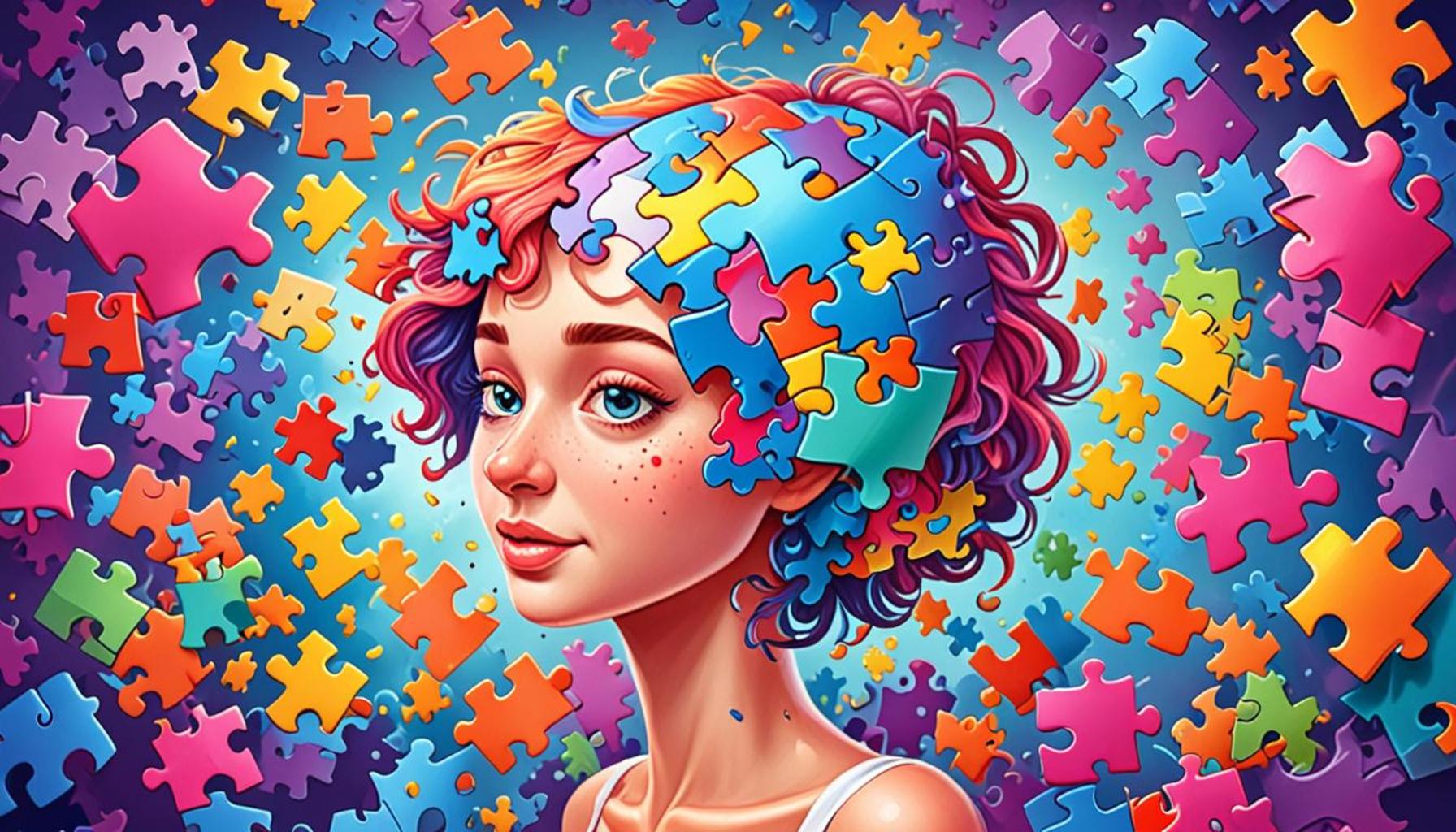
Puzzles and mind games have captivated people for centuries, offering not just entertainment but a profound avenue for enhancing mental acuity. Engaging with these challenges can lead to significant improvements in cognitive skills and problem-solving abilities. This article delves into the impactful role that puzzle challenges play in fostering both creativity and analytical thinking.
The Relevance of Mind Games
In an age where critical thinking and quick decision-making are paramount, the benefits of engaging in puzzles are more relevant than ever. Participating in these activities can enhance various cognitive functions, including:
- Memory retention: Many puzzles require players to remember patterns, details, and strategies.
- Logical reasoning: Problem-solving puzzles often employ deductive reasoning to arrive at solutions.
- Attention and focus: Successfully tackling challenges necessitates sustained concentration.
As we explore further, readers will discover some of the most effective puzzle formats that lead to cognitive growth. Stay tuned for our ranking of the Top 5 Puzzle Challenges that can transform your brainpower!
DISCOVER MORE: Click here to dive deeper
Top 5: The Impact of Puzzle Challenges on Cognitive Development and Problem Solving
Puzzles have long been a source of entertainment and engagement, but their importance goes well beyond mere enjoyment, serving as vital tools for mental development and enhancement. This article delves into the profound effects of puzzle challenges on cognitive development and problem-solving skills. By analyzing various aspects, we present the top five findings in descending order of significance, revealing a layered understanding of how these games affect our minds.
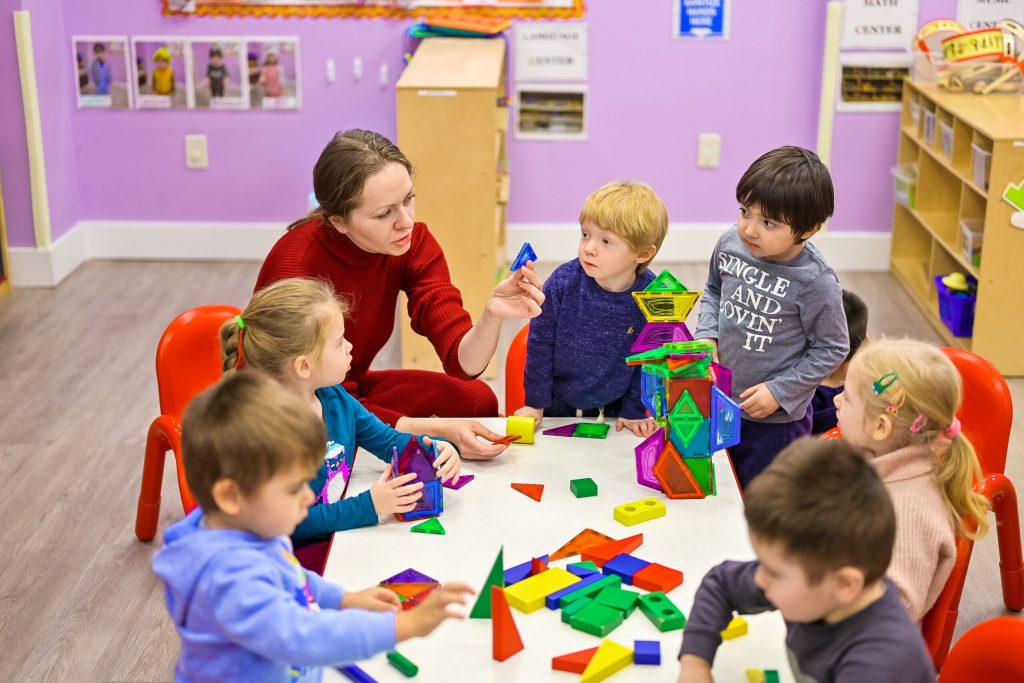
5. Enhancing Memory Retention
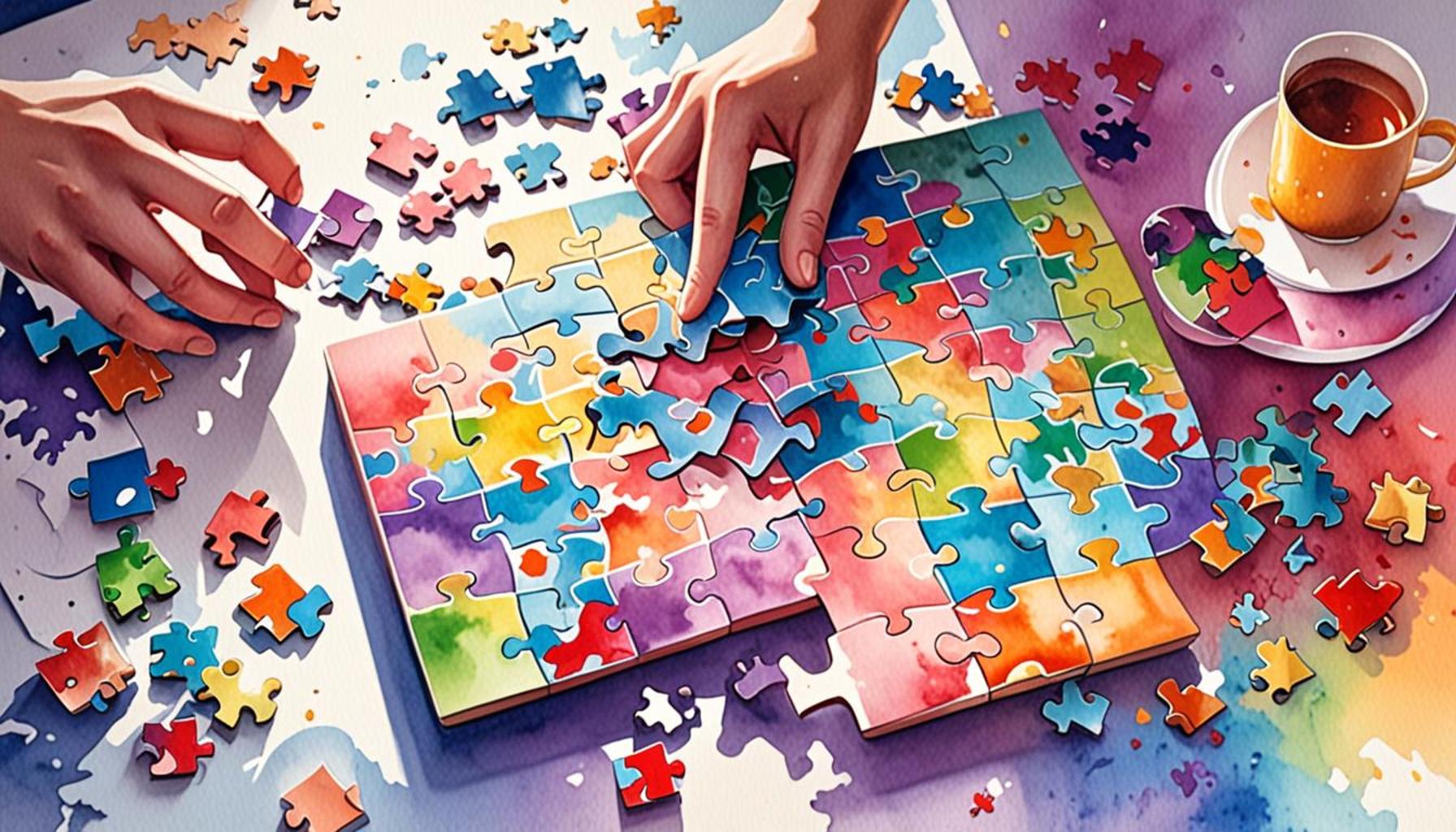
Puzzle challenges are excellent tools for boosting memory retention and maintaining a flexible memory system. Engaging in activities like jigsaw puzzles requires remembering sequences, shapes, or patterns, which can strengthen the neural pathways associated with memory. This is crucial because our brain’s plasticity deteriorates over time, and puzzles provide a way to keep the brain robust and agile.
Research indicates that individuals who regularly engage in puzzle-solving activities often possess a heightened ability to recall information compared to non-puzzle solvers. This cognitive exercise compels the brain to work harder. Such mental effort enhances both short-term and long-term memory. Whether it’s recognizing a friend’s face in a puzzle piece, remembering where a piece fits in a vast jigsaw, or solving a complex mystery in a riddle, these challenges provide practical and enjoyable ways to improve one’s memory.
4. Developing Critical Thinking Skills
The process of solving puzzles often requires critical thinking, which has profound benefits for various life skills and professional scenarios. Engaging with brain teasers or logical puzzles stimulates analytical reasoning. Players are habitually presented with problems that necessitate a keen evaluation of scenarios, weighing different options, and ultimately choosing effective methods to achieve the desired solutions.
- Improved Decision-Making: Regular puzzle solvers often excel at making swift, informed decisions based on the limited data available to them in puzzles.
- Strategic Planning: The process of attempting various methods to tackle a puzzle enhances one’s ability to plan strategically, a skill valuable in both personal and professional life.
- Logical Flow: Puzzles help nurture a logical thought process, enabling individuals to break down and tackle complex problems into manageable parts.
Therefore, critical thinking becomes a secondary benefit of prolonged engagement with puzzle challenges, fostering analytical prowess that goes far beyond the puzzle itself.
3. Increasing Cognitive Flexibility
Cognitive flexibility refers to the brain’s capacity to adapt to new and unexpected conditions and is notably improved through puzzle-solving. Engaging in various puzzles, from crosswords to Sudoku, requires players to often switch their thinking strategy, thus enhancing this critical cognitive ability. Such flexibility is essential for adapting to novel tasks or rethinking strategies upon encountering errors.
Studies show that participants who are frequent puzzle enthusiasts demonstrate significantly higher cognitive adaptability compared to those who seldom engage in these activities. The ability to swiftly alter their thought process means puzzle lovers are generally more prepared to face unpredictable real-world situations, adapting with poise and assurance.
2. Strengthening Problem-Solving Abilities
The core of puzzle challenges lies inherently in problem-solving. These engaging activities provide a platform for honing effective problem-resolution skills. Players practice identifying problems within the puzzle, developing methodologies to solve them, and approaching each task with precision. This requires breaking down larger problems into smaller, more manageable units—a fundamental strategy in both academic and real-world scenarios.
Puzzles build important skills such as patience, resilience, and creative thinking. The repetitive practice of problem-solving can be particularly beneficial in educational settings, where analytical thinking is crucial. Children involved in puzzles tend to exhibit superior performance in subjects that demand logical reasoning and demonstrate a higher level of confidence in tackling classroom challenges.
1. Boosting Overall Cognitive Functioning
At the pinnacle of our findings is the most remarkable impact of puzzle challenges: their ability to boost overall cognitive functioning. Engaging in puzzles regularly can significantly improve various cognitive domains, including memory, attention, and reasoning. These enhancements are not just beneficial in an isolated context but greatly influence one’s ability to manage daily tasks with increased efficiency and skill.
Moreover, research indicates that individuals frequently involved in cognitive activities, such as puzzles, experience a slower rate of cognitive decline as they age. This discovery suggests a potential for promoting long-term brain health, underscoring puzzles not only as entertaining pastimes but as crucial activities for sustained mental fitness.
In conclusion, engaging with puzzle challenges profoundly impacts cognitive development and problem-solving skills, making it an essential activity across all ages. From enhancing memory retention to boosting overall cognitive functioning, the ripple effects are significant and reach far into our everyday functioning. By embracing puzzles, we cultivate a sharper, more agile mind and foster a society of adept problem solvers, ready to tackle the complexities of modern life.
| Category | Key Features |
|---|---|
| Cognitive Development | Puzzle challenges promote critical thinking and enhance memory retention, stimulating various cognitive processes essential for learning. |
| Enhancing Problem-Solving Skills | Solving puzzles requires systematic reasoning, allowing individuals to approach real-life problems with structured strategies, which can be beneficial in educational and professional settings. |
| Social Interaction | Engagement in group puzzle challenges fosters collaboration and communication skills, as participants must share ideas to successfully complete the tasks. |
| Stress Relief and Cognitive Resilience | Involving oneself in puzzle-solving can provide a therapeutic outlet, promoting mental well-being and building resilience against cognitive decline. |
Puzzle challenges significantly affect cognitive skills and problem-solving approaches across various demographics. Many studies have highlighted how engaging in such activities enhances one’s ability to concentrate and boosts analytical capabilities. For instance, the repetitive yet stimulating nature of puzzles encourages neurons in the brain to form new connections, which is essential for cognitive flexibility. When it comes to enhancing problem-solving skills, puzzles stimulate a variety of approaches to reach a solution. Individuals often find themselves exploring multiple strategies rather than relying on a singular method. This kind of mental gymnastics revolutionizes the way we tackle not only academic challenges but practical obstacles in daily life as well.Additionally, the social aspect of puzzle challenges cannot be overlooked. Engaging in these activities with friends, family, or colleagues introduces an element of teamwork, nurturing effective communication and interpersonal skills. Participants learn to articulate their thoughts and listen to diverse perspectives, which are valuable skills in both personal and professional environments.Moreover, the therapeutic benefits of puzzles should be acknowledged. Puzzles provide a platform for stress relief, allowing individuals to immerse themselves in a focused task that distracts from daily pressures. This not only enhances mental agility but also fosters cognitive resilience, empowering individuals to face more significant challenges with newfound confidence and innovative solutions. As you delve deeper into the world of puzzle challenges, consider the multitude of ways they shape thought processes and interpersonal dynamics. With each piece and clue, they offer opportunities not just for entertainment but for personal and mental growth.
DISCOVER MORE: Click here to challenge your mind
Frequently Asked Questions about the Impact of Puzzle Challenges on Cognitive Development and Problem Solving
What are puzzle challenges, and how can they influence cognitive development?
Puzzle challenges encompass a wide range of activities that involve problem-solving, such as jigsaw puzzles, crosswords, Sudoku, and brain teasers. These challenges require critical thinking, pattern recognition, and logical reasoning. Engaging regularly with puzzles can lead to improved cognitive functions as they encourage the brain to form new connections, enhancing mental agility and memory. Studies have shown that these mental exercises can boost overall cognitive development by stimulating the brain and keeping it active.
How do puzzle challenges enhance problem-solving skills?
Engaging in puzzle challenges stimulates the brain’s problem-solving centers. Participants learn to approach problems from multiple angles, developing unique solutions. This continuous process of attempting, failing, and retrying fosters a mindset geared towards resilience and ingenuity. The structured yet open-ended nature of puzzles compels the solver to think creatively and strategically, translating to enhanced problem-solving skills that are applicable in real-life situations.
Are there specific types of puzzles that are more beneficial for cognitive development?
While all puzzles can be beneficial, certain types are particularly effective in promoting cognitive growth. For example, jigsaw puzzles are excellent for enhancing visuospatial reasoning, while crosswords significantly boost vocabulary and language skills. Mathematical puzzles like Sudoku develop logical thinking and numerical skills. It’s often the variety that yields the most comprehensive cognitive benefits, as different puzzles engage distinct areas of the brain.
Can children benefit from puzzle challenges in the same way adults do?
Yes, puzzle challenges offer significant benefits to children, aiding in the development of essential skills such as hand-eye coordination, fine motor abilities, and concentration. For children, puzzles encourage exploratory play, which is a critical component of early childhood development. By engaging with puzzles, children learn how to handle frustration and enhance their persistence, laying a foundational skill set that benefits their academic and social lives.
Does the frequency of engaging with puzzle challenges affect the cognitive benefits gained?
The consistency of engaging with puzzle challenges plays a crucial role in reaping cognitive benefits. Regular interaction with puzzles helps maintain an active and engaged brain, preventing cognitive decline with age. Incorporating puzzles into daily routines, even for a short time, has been shown to bolster mental faculties more effectively than sporadic engagement. The key is regular brain stimulation through challenging but enjoyable activities.
EXPLORE MORE: Click here to uncover the secrets of patience through puzzles
Conclusion
The exploration of the impact of puzzle challenges on cognitive development and problem-solving ability reveals profound insights into the benefits of mind games and puzzles. Throughout the article, it has been highlighted that engaging with puzzles can lead to enhanced cognitive abilities such as improved memory, advanced spatial reasoning, and refined problem-solving skills. Not only do puzzles foster a creative and strategic thinking mindset, but they also promote patience and perseverance, vital traits for tackling complex problems in real-world scenarios.
Moreover, the link between puzzle activities and cognitive health suggests that regular engagement with such challenges can contribute to mental agility and potentially mitigate cognitive decline. Puzzles appear to stimulate neural pathways, thus reinforcing existing connections and creating new ones. This suggests their viability as an accessible and enjoyable tool for cognitive training across different age groups.
The knowledge that puzzles can inspire intellectual curiosity and enhance enjoyment of problem-solving underscores their value in educational settings. By incorporating puzzles into learning environments, educators can facilitate a nurturing ground for growth, where students learn through play and challenge. The adaptability of puzzles to various difficulty levels makes them an inclusive resource, widely beneficial across different learning capacities.
As curiosity about the cognitive impacts of puzzles grows, further research could unveil additional insights into their long-term benefits. Are there other unexplored benefits that puzzles could provide in unexpected fields? By continuing to investigate these questions, we can fully unravel the potential that lies within these seemingly simple, yet deeply intricate mind games.
In conclusion, the significance of puzzle challenges extends beyond leisure, highlighting their integral role in the enhancement of cognitive capabilities and problem-solving proficiency. As a powerful intersection of learning and play, puzzles represent a valuable tool in both personal and educational development.